
Credit Card Decline Codes: A Merchant’s Action Guide
Credit card decline codes explain why a payment wasn’t approved and help merchants choose the next step. These short responses can point to insufficient funds, incorrect card details, account restrictions, or a technical problem. For your business, the priority is the right response, whether that means correcting information, offering another payment method, or stopping further […]
What Is an Acquiring Bank in Credit Card Processing?
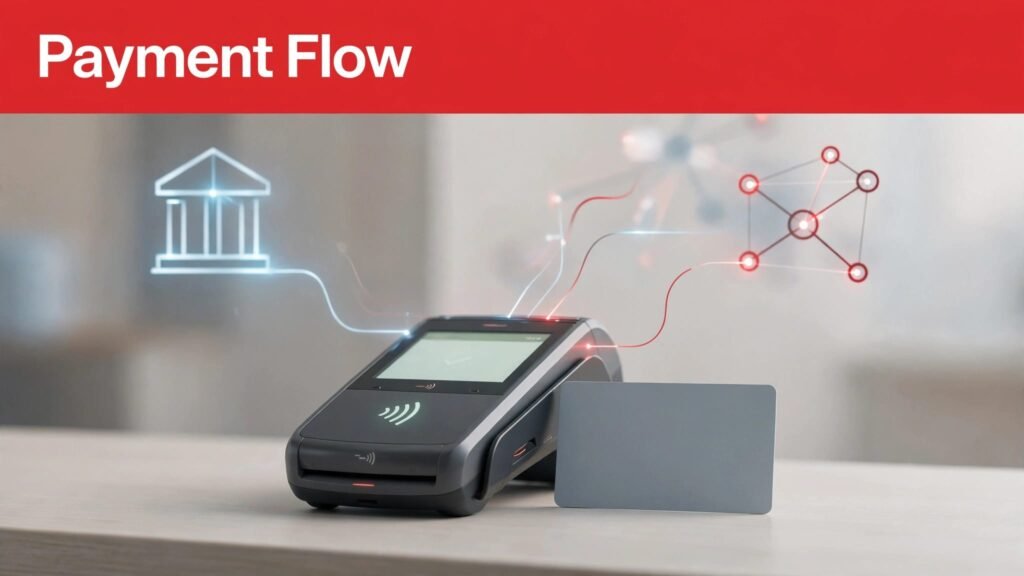
An acquiring bank is the financial institution that enables your business to accept credit and debit card payments, exchanges funds with card issuers, and coordinates the final transfer between banks. It’s the banking connection behind your merchant account. You may work with a payment provider rather than the bank itself, which can make these responsibilities […]
What Is a Rolling Reserve in Credit Card Processing?
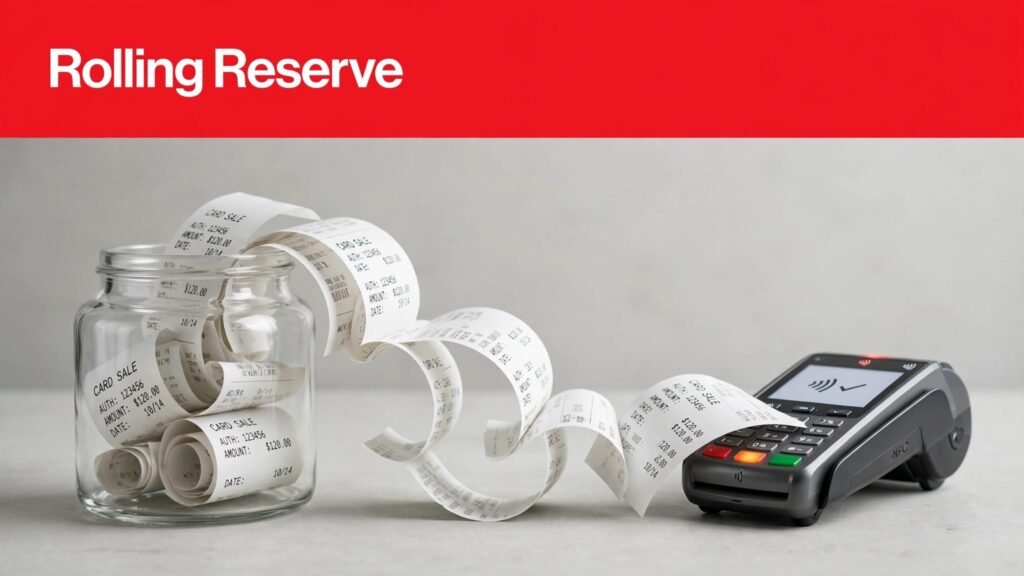
A rolling reserve is a percentage of each debit or credit card transaction that your acquiring bank or payment processor holds temporarily to cover chargebacks, refunds, and fraud losses. Each withheld amount becomes eligible for release after a specified period. The money remains yours, but it’s unavailable working capital until released, and disputes can consume […]
How Long Do Credit Card Processing Payouts Take?
Credit card processing payouts commonly reach your business bank account within 1 to 3 business days after transactions are captured and submitted for settlement. First payouts, missed batch cutoffs, bank holidays, and account reviews can extend that timeline. For your business, the important date is when money becomes available to spend. An approved sale or […]
Authorization vs Capture: How Card Payments Move

Authorization reserves a customer’s available funds or credit; capture submits the approved amount for collection. Settlement then transfers money between banks, while your merchant payout follows your processing schedule. Understanding authorization vs capture helps you distinguish a pending payment from money your business can spend. Follow each stage to manage order fulfillment, customer questions, and […]
What Is a Payment Facilitator? How the Model Works
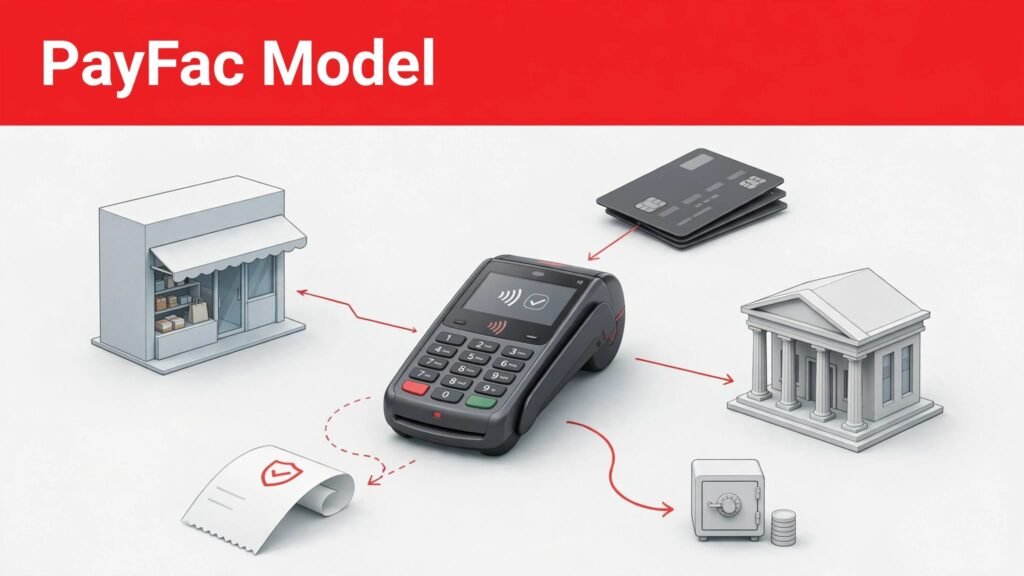
A payment facilitator, or PayFac, uses the payment facilitation model to bring onboarding, processing, and funding together through one provider. The PayFac model lets businesses accept card payments without opening their own dedicated merchant account. For business owners, the appeal is simpler setup and integrated tools. The tradeoff is less control over account terms and […]
Why Card Payments Need a Daily Batch Closeout

A daily batch closeout submits your completed card transactions for settlement so your processor can move them toward merchant funding. An approved payment alone doesn’t mean the money has reached your business bank account. For your business, this routine supports predictable cash flow and clearer sales records. Understanding what happens behind the receipt makes closing […]
What Is a Payment Descriptor, and Why Does It Matter?
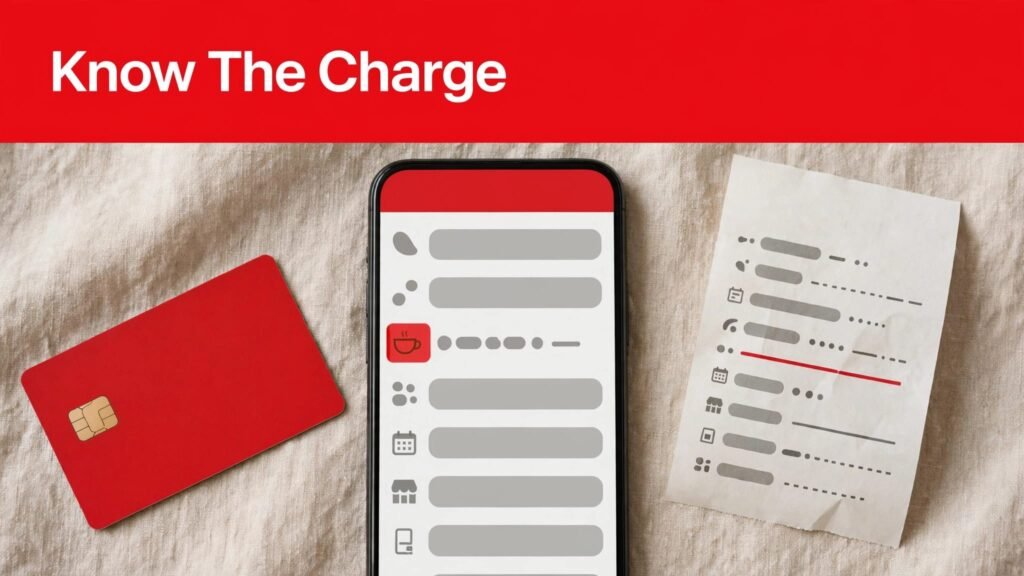
A payment descriptor is the short text beside a charge on a customer’s bank or credit card statement. Also called a billing descriptor, merchant descriptor, or statement descriptor, it helps customers connect a payment to your business. For merchants, customer recognition can prevent unnecessary confusion, support trust, and reduce avoidable disputes. Understanding what customers see […]
What Is a Merchant ID Number, and Where Is Yours?

A merchant ID number (formally, a merchant identification number) identifies your business’s payment account. You’ll typically find it on processing statements, inside your processor’s dashboard, or in your merchant account documents. Knowing the right identifier helps you resolve funding questions, organize payment records, and avoid confusing your processing account with an individual terminal. Start with […]
Interchange Plus Pricing: How Small-Business Fees Add Up

Interchange plus pricing separates your card-processing bill into interchange, card-network fees, and the processor’s markup. That visibility helps you compare quotes, negotiate provider charges, and understand why one transaction costs more than another. For your business, the most important number is the total cost, including monthly fees and equipment expenses. A low advertised markup doesn’t […]