
A rolling reserve is a percentage of each debit or credit card transaction that your acquiring bank or payment processor holds temporarily to cover chargebacks, refunds, and fraud losses. Each withheld amount becomes eligible for release after a specified period.
The money remains yours, but it’s unavailable working capital until released, and disputes can consume part of it. Understanding the percentage and release schedule helps you protect payroll, inventory purchases, and daily operations.
Key Takeaways
- A reserve temporarily restricts your sales proceeds rather than adding a permanent processing fee.
- With a rolling reserve, each amount follows its own release schedule.
- Strong processing history and fewer disputes can support requests for lower reserves.
How a Rolling Reserve Works
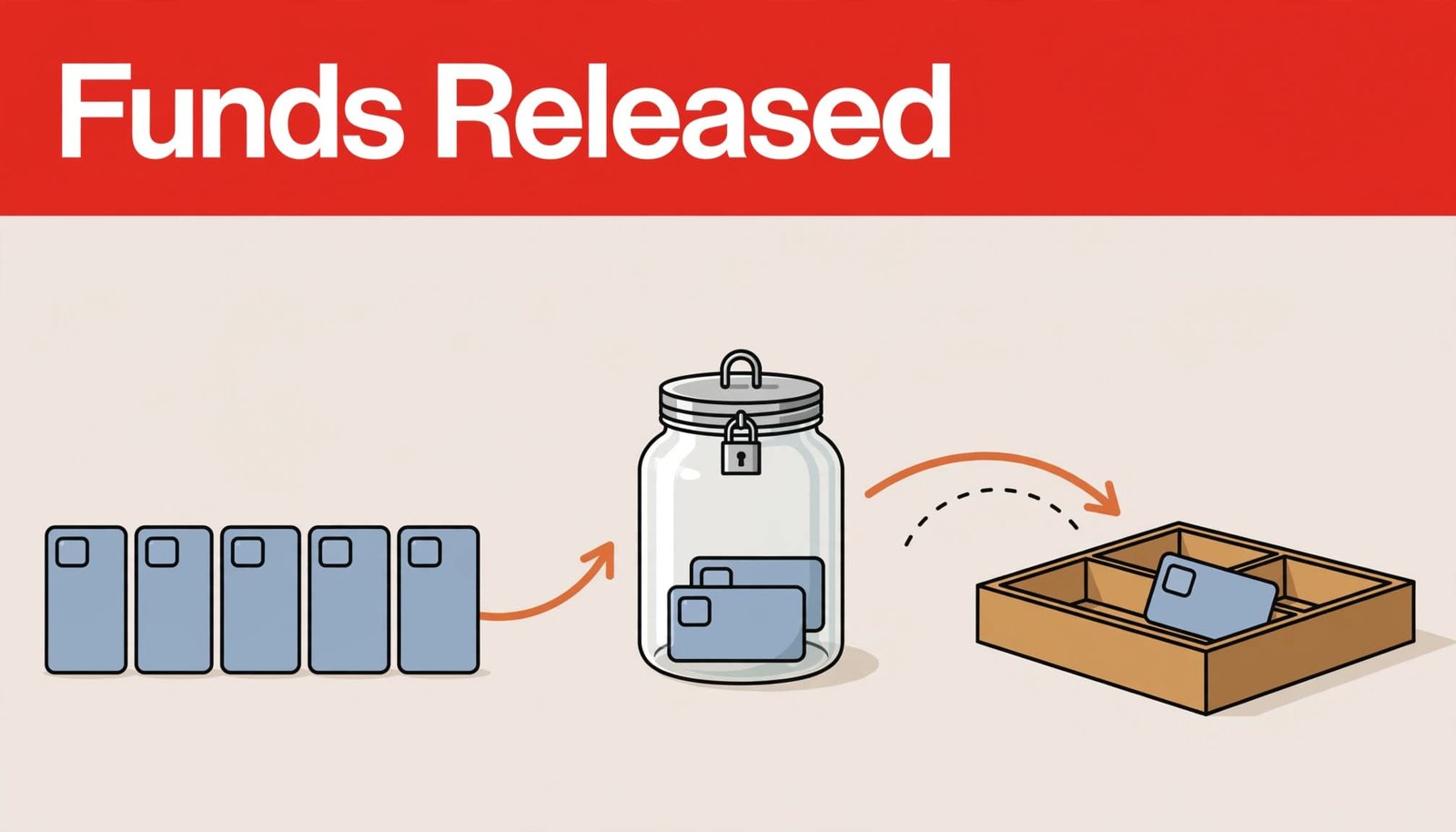
Daily withholding and release
With a 10% reserve and a 30-day holding period, the percentage withheld from a €500 sale is €50. The remaining €450 becomes eligible for normal funding, before processing fees and other deductions. The €50 stays in a reserve account and becomes eligible for release on day 31.
With a consistent transaction volume of €500 in daily sales for 30 days, the cash position looks like this:
| First 30 days | Amount |
|---|---|
| Gross sales | €15,000 |
| Reserve withheld | €1,500 |
| Proceeds eligible for normal funding, before fees | €13,500 |
The €1,500 remains unavailable at month-end. On day 31, another €500 in sales creates a new €50 hold while day one’s €50 is released. With unchanged sales and no adjustments, the reserve balance stays around €1,500.
Monthly releases and bank deposits
Some agreements release monthly collections together according to a payout schedule, rather than releasing each day’s reserve separately. Under a six-month calendar schedule, January’s €1,500 reserve could be released together in July.
Reserve release and bank deposit are separate events. Released funds may first enter your available processing balance, then follow your regular deposit schedule. Our explanation of credit card processing payouts covers that distinction.
Common Reserve Terms and Fixed Reserve Differences
Traditional merchant accounts often withhold 5% to 10%, while broader arrangements can reach 5% to 20% per transaction or daily batch. Rates can also vary with transaction volume.
Holding periods vary substantially. Short arrangements can last one or two weeks; others run 30 days. Higher-risk agreements commonly use 90 to 180 days, with roughly six months common for greater exposure.
A fixed reserve, like a capped reserve or an up-front reserve, also affects how much cash remains accessible.
| Structure | How it works |
|---|---|
| Rolling reserve | Continues withholding and releases older amounts on schedule. |
| Capped reserve | Stops collecting once a target balance is reached; funds may remain inaccessible until closure and final review. |
| Up-front reserve | Requires a lump sum at the beginning of the agreement. |
A fixed reserve generally targets a set balance rather than continuously aging individual deposits. Contract terminology varies, so the collection method, maximum balance, and release conditions matter more than the label.
Why Payment Processors Require Reserves
Business models and financial exposure
Processors face losses from chargebacks when customers dispute payments after merchants have received their proceeds. Reserves provide funds to cover those obligations.
New businesses lack processing history, while weak credit, high preorder volumes, complaints, a high chargeback rate, and elevated disputes increase exposure. Businesses in travel, ticketing, adult entertainment, gambling, subscriptions, and CBD or cannabis-related products may be treated as high-risk merchants. Underwriters assess each applicant’s risk profile, and product legality doesn’t guarantee card-processing eligibility.
Our high-risk merchant account guide explains how fulfillment delays, sales channels, and regulated products affect underwriting.
MATCH listings and account approval
Mastercard’s MATCH system records certain terminated merchant relationships. A listing can severely restrict approval, as Chargeback.io’s MATCH guide explains.
Some listed merchants may face reserves up to 100%, although MATCH doesn’t establish a universal withholding percentage. Most acquirers are unlikely to approve these accounts without substantial protection. Your acquiring bank can investigate a suspected listing and its reason code.
How to Reduce or Avoid a Reserve

A stronger application may help merchants negotiate a lower reserve, though approval without one isn’t guaranteed.
- Present bank statements, processing statements, refund and chargeback reports, supplier records, delivery timelines, and financial statements. These documents demonstrate your capacity to fulfill orders and absorb refunds.
- Reduce avoidable disputes with recognizable billing descriptors, accessible cancellation policies, delivery records, AVS and CVV checks, and appropriate 3-D Secure controls.
- Negotiate measurable review dates and reductions. Request a lower percentage withheld per transaction, a shorter holding period, or a capped balance tied to actual performance.
Six to twelve months of consistent processing can support reconsideration. Chargeback ratios usually need to remain below 1%, but applicable network and processor limits may be stricter. Staying below 1% doesn’t guarantee removal.
Put the percentage, holding period, payout schedule, release destination, change triggers, and closure provisions for your rolling reserve merchant account in writing. Our merchant account contract guide outlines the terms that protect predictable funding. A written reduction schedule gives strong performance a defined financial benefit.
Frequently Asked Questions
Is a rolling reserve a fee?
No. The withheld funds belong to your business. The remaining balance is released under the agreement after applicable refunds, chargebacks, or other permitted deductions.
What happens after account closure?
Many processors retain the final balance for about six months to address remaining dispute exposure. Some claims can arise later, so six months isn’t a universal deadline or a guarantee of full repayment.
Protect Cash Flow With Clear Reserve Terms
A rolling reserve changes when you can spend revenue, even when sales remain strong. Its financial impact depends on the withholding percentage, holding period, and release method.
Build the restricted amount into your operating budget. Pair that forecast with documented performance reviews so your available working capital can improve as processing risk falls.