
Tennessee merchants can reduce false credit card declines by improving payment accuracy, correcting terminal settings, and matching fraud controls to genuine risk. The goal is better authorization decisions, without weakening the protections that keep fraudulent purchases out of your business.
False declines can interrupt service, discourage online shoppers, and cost your team valuable time. Start by identifying where the transaction stopped, then give staff a clear process for resolving the problem.
Key Takeaways
- Separate issuer declines, merchant fraud-filter rejections, and technical failures before taking action.
- Accurate billing details, current equipment, and clear checkout prompts help legitimate customers complete purchases.
- Review approval rates alongside fraud and chargeback outcomes, and never promise that a retry will succeed.
1. Identify Why a Card Payment Was Rejected
False declines happen when a legitimate purchase is rejected unnecessarily. Legitimate declines, such as those caused by remaining credit that can’t cover the purchase, a canceled card, or confirmed fraud, need a different response.
Separate issuer decisions from merchant filters
A card issuer may reject an authorization when spending appears unusual. Your gateway may also block an order under its own fraud rules.
When a processor response is labeled “transaction declined,” review the response message, gateway decision, and available fraud-screening results. An issuer rejection requires a different response than a merchant rule rejecting a billing-address mismatch. Your processor can help interpret those records.
Record the order reference, time, amount, and response for troubleshooting. Don’t include payment information such as full card numbers or security codes in support notes.
Distinguish declined, failed, and pending transactions
A communication timeout doesn’t establish whether an authorization succeeded. Likewise, a pending entry in the customer’s banking app isn’t proof that your business captured payment.
Review the transaction status before creating another sale. If the outcome remains unclear, contact processing support instead of repeatedly submitting the purchase. A retry doesn’t guarantee approval.
A pending authorization and a completed payment are different records. Retrying before resolving that distinction can create duplicate holds or charges, and a duplicate charge can lead to a chargeback.
2. Correct Payment Details and Account Problems
Accurate information supports efficient processing, but some problems require action from the cardholder. A positive account balance doesn’t establish available credit on a credit card, since pending authorizations can reduce the amount available.
Remove preventable entry errors
A wrong card number, expiration date, CVV, or billing address can cause a decline. Ask customers to check for wrong information before trying again.
For online purchases, distinguish billing and shipping addresses. Explain that the billing address should match the issuer’s records, even when an order goes elsewhere. Preserve non-sensitive order information so customers don’t have to rebuild their carts.
Several unsuccessful attempts can trigger fraud alerts. Give shoppers a useful correction prompt instead of an unrestricted “try again” button.
Recognize expired or inactive cards
An expired card may need replacement. A card may also be unactivated, canceled, or temporarily deactivated. Bankrate’s decline checklist advises cardholders to look for a replacement three to six months before expiration, activate it when received, and destroy the old card.
Bankrate also notes that missed payments can interrupt purchases just a few days after the due date. Chase explains that missed payments can lead to account cancellation. Ask cardholders to confirm their account status and credit limit with the issuer.
An authorized user’s card can also stop working when the primary cardholder reports a card lost or stolen. Bankrate says all cards on that account are temporarily deactivated. Direct these customers to their issuer, since account details are private.
3. Separate Credit Limits, Holds, and Debit Restrictions
A positive account balance in checking doesn’t establish available credit on a credit card. A debit card follows different balance and spending-limit rules.
Explain available credit and authorization holds
Reaching the credit limit is a common reason for rejection. An issuer may decline a purchase if it would push the balance past the credit limit. Pending authorizations can also reduce available credit. Chase notes that some issuers allow over-limit purchases but may charge a fee, so merchants shouldn’t rely on that exception.
Hotels and rental-car businesses should explain holds before requesting authorization. According to FTC guidance on declined cards, a hold may remain up to 15 days when the final bill is paid with another card, cash, or check. Paying with the same card generally allows release within a day or two.
Clear deposit explanations help customers understand why another purchase might fail.
Keep debit limits separate
Experian’s debit-card decline guide cites a 2022 Digital Economy Payments survey: insufficient funds accounted for more than 26% of debit declines. Human error was the leading reason for online debit declines.
Experian lists typical daily purchase limits for a debit card of $300 to $7,500. Daily ATM withdrawal limits are usually $300 to $1,000 and are separate from purchase limits. These restrictions can apply even when the account balance covers a transaction. A debit card’s daily purchase cap is separate from a credit limit. The account balance doesn’t change an issuer’s daily limit.
Experian also identifies sanctions-related restrictions as a decline cause. Compliance blocks require appropriate review, never a workaround at checkout.
4. Review Processor and Terminal Settings
Your payment setup should match how your business accepts cards. Incorrect configuration, outdated software, and unreliable connectivity can cause false declines and interrupt legitimate transactions.
Use EMV chip and contactless acceptance whenever available instead of routinely keying card details. Keep terminal software current, inspect readers for damage or unfamiliar attachments, and maintain reliable internet connections.
Ask your processor to review supported card types, transaction limits, enabled payment methods, and integration settings. Restaurant tip adjustments, hotel authorizations, and recurring payments need workflows suited to those transactions.
Staff should understand what each terminal message requires. A reader error needs a different response than a message showing “declined.” Don’t switch to manual entry to get around a security rejection.
When choosing a Tennessee payment processor, prioritize accessible technical support and useful transaction reporting alongside pricing. These capabilities help your team resolve problems without guessing.
Our POS systems, payment processing services, and 24/7 technical support give merchants a practical foundation for managing checkout issues.
5. Improve Online Checkout Without Weakening Security
Online merchants can reduce false declines by improving submitted information and reviewing overly broad screening rules.
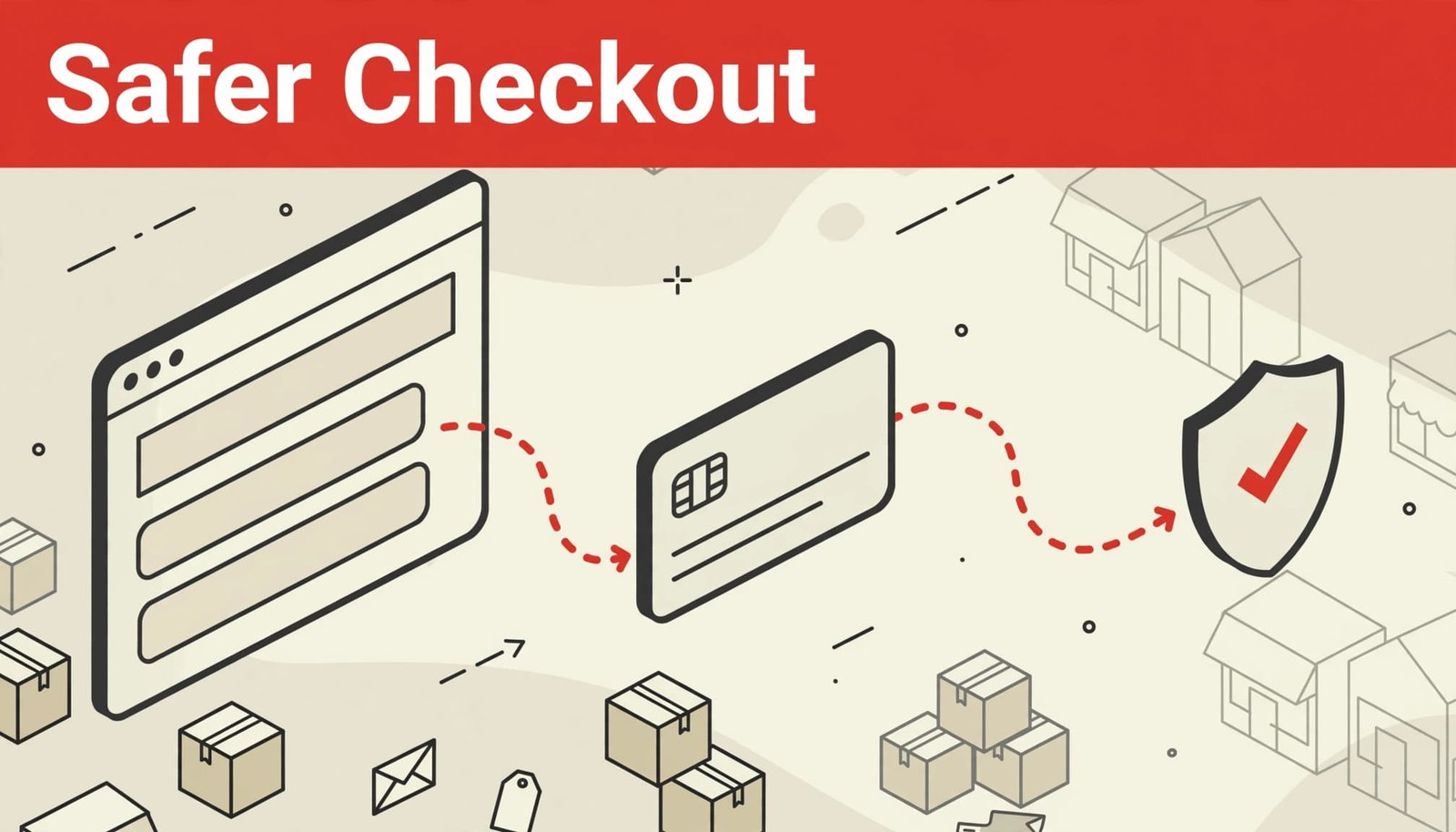
Address verification service (AVS) compares billing-address information, while CVV checks the submitted security code. These tools support fraud protection, but a mismatch alone doesn’t prove fraud. Assess the result alongside the transaction and your risk policy.
Review whether your gateway treats an unavailable verification result the same as a confirmed mismatch. Also examine rules that automatically reject every shipping-address difference, international customer, or higher-value order.
Keep meaningful protections against repeated attempts, stolen credentials, and suspicious order patterns. Where supported, 3-D Secure can add issuer authentication when a purchase needs further assessment.
Customer-facing prompts should explain correctable errors without revealing your fraud thresholds. Use approved hosted checkout or tokenized payment tools, and never ask customers to email card details.
When comparing online credit card payment solutions, evaluate error messages, authentication options, and fraud reporting together. Convenience and security should support the same checkout experience.
6. Give Customers a Clear Path Forward
A calm, respectful response helps customers navigate false declines while keeping staff within safe payment procedures. Don’t announce that someone lacks funds or has a fraud problem.
A useful register script is: “This payment was declined. You can review the card details, contact your bank, or use another payment method.”
Large purchases, foreign transactions, and unusual spending can trigger issuer fraud controls. Chase’s credit-card decline guide explains that travel policies vary. Some issuers require notifications, while Chase doesn’t. Bankrate notes that airline-ticket purchases can also give issuers travel context.
Customers should call the number on the back of their card. They can ask the card issuer: “I’m trying to make a purchase at [merchant name] for [amount]. Did you decline it, and what action is needed?” Customers can discuss account status or missed payments privately with the issuer.
The issuer may approve a legitimate flagged purchase, but your business can’t guarantee approval.
For online orders, retain the cart and offer a secure return-to-checkout option when available. Don’t request payment credentials unsolicited. Suggest another card, debit card, or cash where accepted, and retry only when processor guidance allows.
A declined card doesn’t establish anything about a customer’s financial standing. Respectful communication can keep a payment issue from becoming an embarrassing experience.
7. Monitor Approval Rates Alongside Fraud Results
Reducing mistaken declines takes ongoing review, not a one-time decision to loosen security.
Track declines by response category, sales channel, terminal, and payment method. Look for changes after software updates or fraud-rule adjustments. Separate repeated attempts from unique purchases so one persistent shopper doesn’t distort the picture.
Chargeback Gurus estimates that valid transactions worth as much as $20 billion are rejected annually. Its guidance on false declines warns that repeatedly resubmitting stubborn transactions can create authorization-related exposure and increase chargeback risk.
Change one rule at a time and compare authorization results with fraud losses, dispute rates, chargeback rates, chargeback costs, and customer complaints. Higher approval rates aren’t a measure of success if unauthorized purchases rise.
Pair this review with consistent receipts, recognizable billing descriptors, and credit card chargeback prevention. Together, these practices support secure payments and fewer customer misunderstandings.
Frequently Asked Questions
What is a false credit card decline?
False declines happen when a legitimate purchase is rejected unnecessarily. They differ from valid declines caused by insufficient available credit, a canceled card, or confirmed fraud. A purchase that exceeds the card’s credit limit can be a valid decline.
What should a merchant do when a card payment is declined?
First check whether the issuer, a merchant fraud filter, or a technical problem stopped the transaction. Review its status before retrying, and contact your processor if the outcome is unclear. For recurring charges, notify customers promptly so they can update their payment details and avoid missed payments.
Does a pending authorization mean a payment was completed?
No. A pending entry in a customer’s banking app doesn’t prove your business captured payment, and a communication timeout doesn’t establish whether authorization succeeded. Review the transaction status before creating another sale.
How can online merchants reduce false declines without weakening security?
Use clear prompts for correctable billing details, and review AVS, CVV, and fraud rules against the transaction and your risk policy. Keep protections for repeated attempts and suspicious order patterns, and use approved secure checkout tools.
How should merchants measure changes to decline rates?
Track declines by response category, sales channel, terminal, and payment method. Change one rule at a time, then compare authorization results with fraud losses, disputes, chargebacks, and customer complaints.
Build a More Reliable Checkout Process
The strongest approach combines accurate payment information, properly configured equipment, and fraud controls suited to your business. Clear communication helps customers resolve problems your team can’t fix directly.
Start with decline patterns in your transaction reports. Correct preventable errors, document safe follow-up procedures, and review approval rates, fraud results, and chargeback outcomes.
An efficient payment process can help reduce false declines and chargeback risk without promising approval or weakening security.