
A chargeback can take revenue out of your account long after a sale felt complete. For Tennessee restaurants, retailers, contractors, hospitality businesses, food trucks, and online sellers, the most reliable way to prevent credit card chargebacks is to make every transaction clear, secure, and easy to document.
You can’t eliminate every dispute. Stolen cards, customer confusion, delivery problems, and first-party misuse all happen. Still, strong payment practices give customers a faster path to help and give your business a better record when a bank asks questions.
Key Takeaways for Tennessee Merchants
- A refund comes from your business. A chargeback begins when a cardholder disputes a transaction with their card issuer.
- Clear billing descriptors, itemized receipts, visible refund terms, and prompt customer service prevent many avoidable disputes.
- AVS, CVV, and 3-D Secure add useful fraud controls for online and phone orders, but no tool stops every bad transaction.
- Save transaction records as you sell, not after a dispute arrives. Receipts, tracking, signed tickets, and customer messages can matter.
- Processor deadlines can be short. Review every dispute alert and retrieval request the day it arrives.
What a Chargeback Is, and Why It Is Different From a Refund
A refund is a customer-service decision. Your business returns money to the customer through the original payment method, usually after handling a return, cancellation, missing item, or service concern.
A chargeback is different. The customer contacts the credit card issuer and challenges the transaction. The issuing bank begins the chargeback process, which can temporarily remove the sale amount from your merchant account and add chargeback fees.
Refunds keep the conversation with your business
A clear refund process gives customers a direct answer before they call their bank. Send confirmation when the refund is issued, including the amount, date, and the last four digits of the card when your system supports it.
The CFPB explains that cardholders may raise certain billing errors within 60 days after a charge first appears on their statement. That is a consumer deadline, not a universal deadline for merchant response. Review the CFPB billing-error rules for the consumer side of the process.
A chargeback begins a network dispute
Once a chargeback arrives, your payment processor sends the dispute reason, amount, and response deadline. You may accept the claim or challenge it with evidence. Mastercard often refers to a merchant’s response as “second presentment,” while other processors use the term representment.
The outcome depends on the reason for the dispute and the records you provide. A delivery confirmation may help with a “merchandise not received” claim. It won’t prove that a customer agreed to a recurring billing plan.
A retrieval request is not a chargeback, but it needs the same urgency. It is a request for transaction records that can become part of a later dispute.
Why Small Businesses Receive Chargebacks
Most disputes fit into a few familiar categories. Finding the pattern matters more than treating every dispute as random bad luck.
Criminal fraud and unauthorized charges
Some chargeback fraud starts with a stolen card, compromised account, or fraudulent purchases. The customer may then report an unauthorized-charge dispute to their financial institution. Card-not-present transactions need more review because the card and cardholder aren’t physically at your counter.
For online sales, use an address verification system (AVS), card verification value (CVV) checks, velocity rules, and 3-D Secure when available through your processor. Together, these automated tools support a broader fraud detection process and can provide records for review. They screen orders, but don’t guarantee legitimacy or prevent a later customer dispute.
Friendly fraud and customer confusion
Friendly fraud, also called first-party misuse, happens when a customer disputes a purchase they made or authorized. Sometimes it’s intentional. Sometimes a spouse, employee, or family member made the purchase. Other times, the billing descriptor isn’t recognizable on the cardholder statement.
Visa’s overview of friendly fraud and first-party misuse highlights why recognizable statement details matter. Your descriptor should match the name customers know from your storefront, website, receipt, or confirmation email.
How to Prevent Credit Card Chargebacks Before the Sale
The strongest prevention plan starts before a card is tapped, keyed, or saved for future billing. Your payment process should answer the customer’s basic questions: What did I buy? Who charged me? When will I receive it? How do I get help?
Make policies visible and easy to follow
Place your return policy, cancellation, delivery, and subscription terms where customers see them before payment. A policy hidden in a footer won’t resolve a frustrated customer situation.
Restaurants should make tip adjustments and service charges clear on the final receipt. Contractors should document the scope of work, approval process, and deposit terms. Online sellers should show realistic fulfillment timelines, customer service details, and cancellation instructions.
A processor should also help you configure recognizable descriptors and dispute alerts. When comparing providers, use this guide on how to choose a Tennessee payment processor to ask about AVS, CVV, 3-D Secure, reporting, and evidence tools before you sign.
Use authorization controls that fit the sale
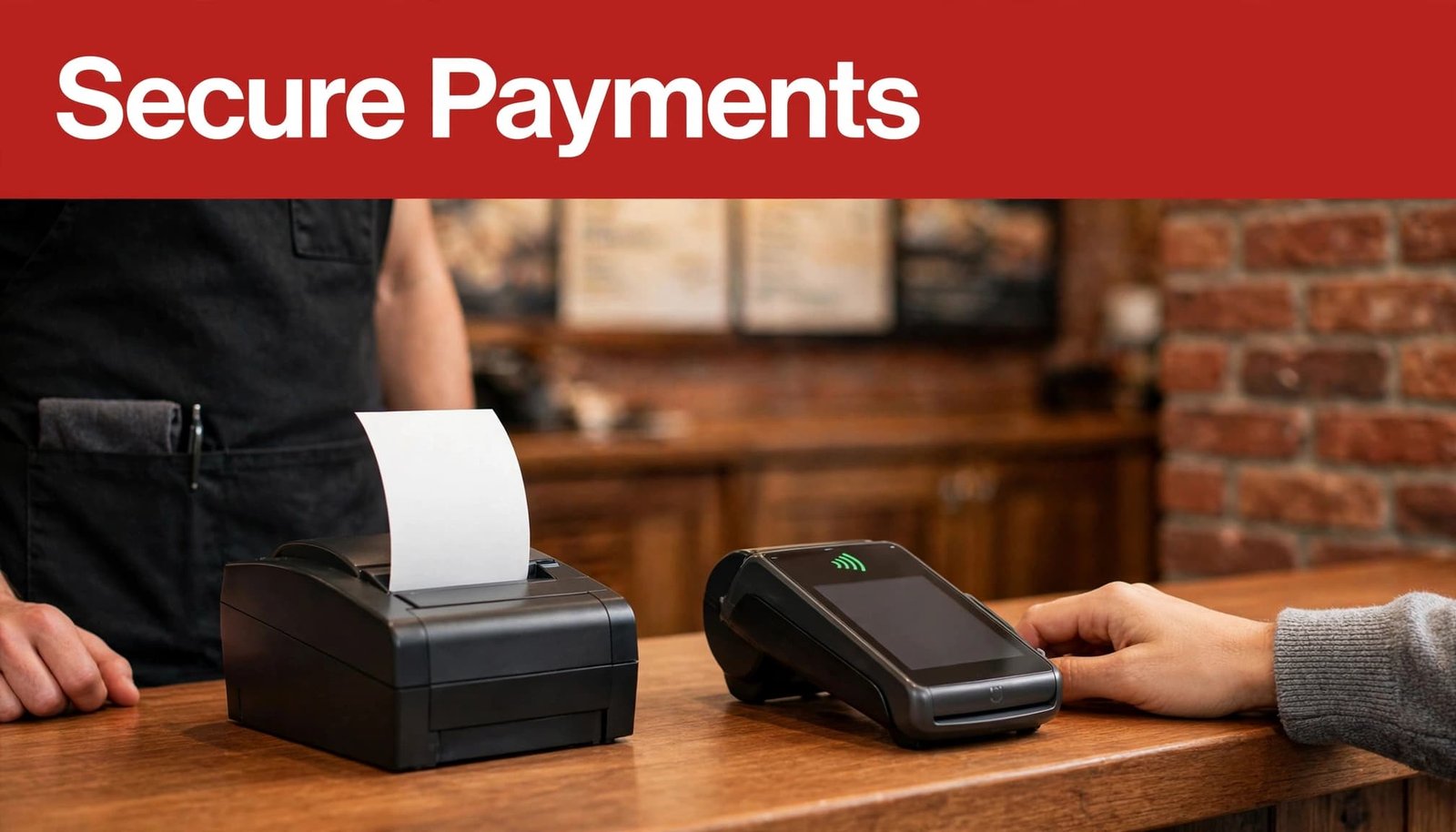
For in-person payments, use EMV-capable terminals and contactless payments instead of manually keying cards whenever possible. Keep terminals updated, inspect them for damage or unfamiliar attachments, and give each employee a unique POS login.
For online and phone transactions, never write full card numbers or CVV data on an order ticket, email, or text message. Enter payment details directly into an approved virtual terminal or hosted checkout. Limit staff access to customer data, refunds, voids, and manual price changes.
A Transaction Checklist for Every Sales Channel
Different payment channels create different evidence. Train staff to follow the same core process every time, then add steps for the way the customer pays.
- For in-person sales, use the chip or contactless reader, provide an itemized receipt, record approved tips correctly, and retain signed tickets when your workflow requires them. Staff should know when a manager must approve refunds, voids, and price overrides.
- For phone orders, collect only the information your secure virtual terminal requires. Confirm the customer’s name, order details, pickup or delivery details, and cancellation terms. Never keep full card data in paper notes or voicemail.
- For online orders, use AVS and CVV checks, review unusual order patterns, send an immediate order confirmation, and provide tracking as soon as the order ships. Keep the product description and delivery promise accurate.
- For recurring payments, show the recurring amount, billing frequency, renewal date, and cancellation method before authorization. Send a confirmation at enrollment and make cancellation requests easy to find and complete.
- For delivery or services, retain records that match the transaction and any item not received claim. These may include carrier tracking, delivery photos, signed work orders, appointment logs, service reports, or customer acceptance messages.
A missed delivery estimate, duplicate charge, or unrecognized subscription can turn into a customer dispute quickly. A receipt alone may not answer the customer’s concern, but a complete order history often can.
Build Records That Support Your Case
Good documentation isn’t a stack of unrelated screenshots. It is a clean story showing what the customer agreed to, what your business delivered, and how you handled the concern.
Save the evidence as the sale happens
Create one protected location for each order or service record. Include the transaction date, amount, customer details, order confirmation, authorization result, itemized receipt, refund activity, communication history, and delivery or service evidence.
For online sales, retain AVS and CVV responses, 3-D Secure results when used, IP and device data your processor provides, and tracking details. For a restaurant, keep itemized checks, signed tip receipts, reservation records, and pickup confirmations. For a contractor, keep signed estimates, change orders, invoices, photos, and completion approvals.

Match records to the dispute reason
Don’t send every document you have. Send the documents that answer the claim. An unauthorized-charge dispute may call for authorization data and proof the customer participated in the transaction. An “item not received” claim calls for delivery evidence.
A product or service alleged to be significantly not as described calls for the accepted order details, original description, photographs, service records, or customer communications that address the allegation. A canceled recurring payment claim needs the billing authorization and cancellation records.
Mastercard’s merchant dispute guidance recommends collecting transaction records before a dispute occurs. That preparation is especially valuable for small teams that can’t stop daily operations to rebuild an order history from scratch.
Respond to Chargebacks Before the Deadline Closes
Time is part of the evidence. A well-supported case submitted after the processor’s deadline can still be lost.
Read the notice, reason, and response date
Open dispute notices immediately. Record the case number, reason code or category, transaction date, disputed amount, deadline, and requested documents. The issuing bank identifies the dispute reason, but your payment processor’s stated response date controls your case.
Some Mastercard workflows give merchants roughly 20 to 45 days after notification, while supporting-document deadlines can be much shorter.
There is no single response window for every network, processor, or dispute type. Set email and dashboard alerts so more than one trusted employee sees them.
Visa’s merchant chargeback resources provide useful context on dispute management, but your processor remains the source for active case requirements and submission methods.
Build a concise package for the representment process
The representment process starts with a concise statement explaining why the transaction was valid. Follow it with clearly labeled evidence in date order. Confirm that the amount, date, card details, and order number match the dispute.
A practical package may include:
- The itemized receipt or invoice and the authorization result.
- The policy the customer accepted, with the acceptance record.
- Order confirmation, delivery tracking, signed proof of delivery, or completed-service records.
- Customer messages showing that your team offered help, a replacement, cancellation, or refund when appropriate.
The Mastercard Chargeback Guide Merchant Edition explains that disputes can move through later stages such as pre-arbitration and arbitration. Don’t assume every challenge ends with your first submission.
Review Your Statements for Patterns, Fees, and Risk
Chargeback activity often appears in a separate statement section, away from ordinary transaction fees. Review chargebacks, retrieval requests, reversals, fees, and final outcomes every month.
Look for repeated causes. Several “unrecognized” disputes may point to a weak billing descriptor. Delivery claims may reveal fulfillment delays. Duplicate-charge complaints may signal a POS workflow or online checkout issue. Track refunds beside disputes, because a quick refund can prevent a dispute while a late refund can create more confusion. Use these trends to improve your dispute resolution procedures.
Businesses with recurring billing, online sales, higher-ticket transactions, or regulated products may face added underwriting scrutiny from merchant services providers. For those businesses, chargeback protection for high-risk merchants includes useful considerations around fraud controls, records, reserves, and account stability.
Frequently Asked Questions
How long do merchants have to respond to a chargeback?
The deadline depends on the card network, processor, dispute reason, and workflow. Some Mastercard response windows are often 20 to 45 days after notification, but processors may require documents much sooner. Follow the deadline in the dispute notice, not a general rule you found online.
Does proof of delivery automatically win a chargeback?
No. Proof of delivery is useful evidence for an item not received claim. It may not address an unauthorized-charge claim, a damaged-item complaint, or merchandise that was significantly not as described. Match your records to the actual reason code.
Can a clear billing descriptor stop every friendly fraud claim?
No, but it can reduce avoidable confusion. A customer who recognizes your business name on a statement may contact you before calling the card issuer. Pair the descriptor with responsive customer service and a visible refund policy.
Protect Revenue by Making Every Sale Easier to Verify
A chargeback prevention process is built through ordinary habits: accurate receipts, secure authorization, clear policies, timely refunds, dependable delivery records, and fast action when a notice arrives.
The sale is only the beginning of the payment record. When customers can recognize, verify, and resolve a transaction with your business, you protect revenue and build a more dependable customer experience.