
A payment facilitator, or PayFac, uses the payment facilitation model to bring onboarding, processing, and funding together through one provider. The PayFac model lets businesses accept card payments without opening their own dedicated merchant account.
For business owners, the appeal is simpler setup and integrated tools. The tradeoff is less control over account terms and funding decisions. Understanding the structure helps you choose an arrangement that supports dependable cash flow.
How the payment facilitator model works
A PayFac holds a master merchant account or merchant identification number (MID) with a sponsor bank or acquirer. Sellers operate as sub-merchants under that account and receive disbursements through it.
Visa and Mastercard define PayFac roles through their registration rules. Visa describes a PayFac as a third-party agent acting for sponsored merchants, including depositing transactions or receiving settlement. Mastercard describes an acquirer-registered provider that submits transactions and facilitates merchant payments.
Mastercard’s payment facilitator list and the Visa service provider registry provide public registration information.
Onboarding and underwriting
Each sub-merchant supplies business details, ownership information, and banking information. The PayFac verifies identity and assesses the business’s financial and fraud exposure.
Approval can take hours, compared with days or weeks for traditional accounts that require more paperwork and credit checks. Faster enrollment doesn’t eliminate ongoing transaction monitoring or later account reviews.
Customer payment and settlement
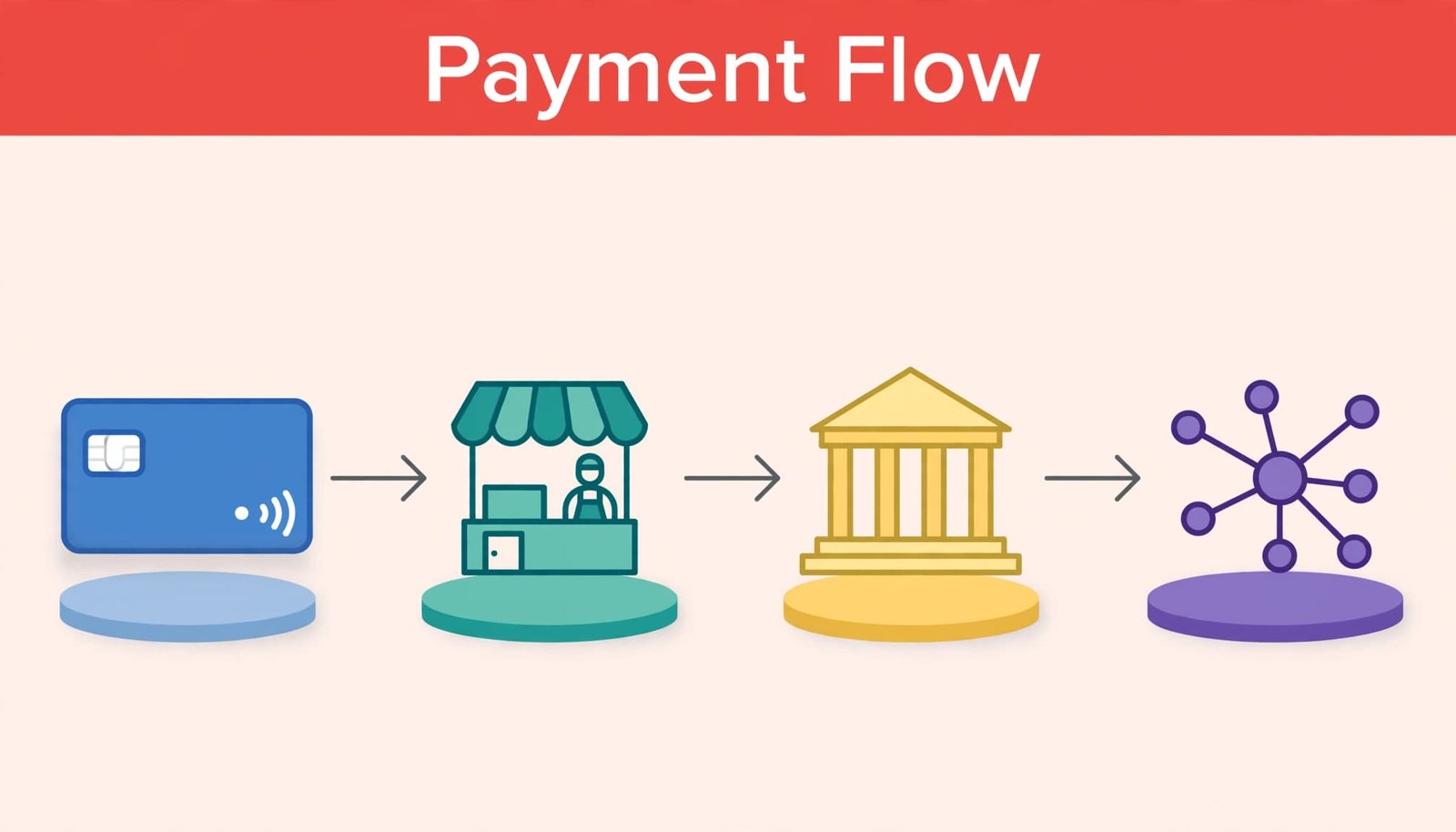
When a customer initiates a payment, the payment gateway securely passes the payment details to a payment processor. The payment processor routes the authorization request through the acquiring bank, card network, and customer’s issuing bank.
After capture, the payment processor moves the transaction into clearing and settlement. Funds move through the banking system before the PayFac disburses them to the seller, generally minus processing fees and applicable adjustments. Authorization doesn’t mean the seller’s deposit is immediately available.
The PayFac also manages security, compliance processes, and chargeback handling for sub-merchants. Our explanation of how payment gateways work separates these transaction roles.
PayFac vs. merchant accounts, ISOs, and other models
These arrangements differ primarily in account structure and responsibility.
| Model | Main distinction |
|---|---|
| Payment facilitator | Uses the PayFac model, where sellers share its acquiring arrangement, and assumes certain risks. |
| Dedicated merchant account | Gives the business its own merchant relationship and a business-specific risk review. |
| Independent sales organization (ISO) | Helps sell and support accounts; the acquirer makes final underwriting decisions. |
| Marketplace | Connects buyers and sellers; its payment structure may involve a PayFac or another arrangement. |
| Merchant of record (MoR) | Becomes the legal seller and assumes associated payment, tax, and dispute obligations. |
A marketplace isn’t automatically a PayFac, and a PayFac doesn’t automatically become the seller of record.
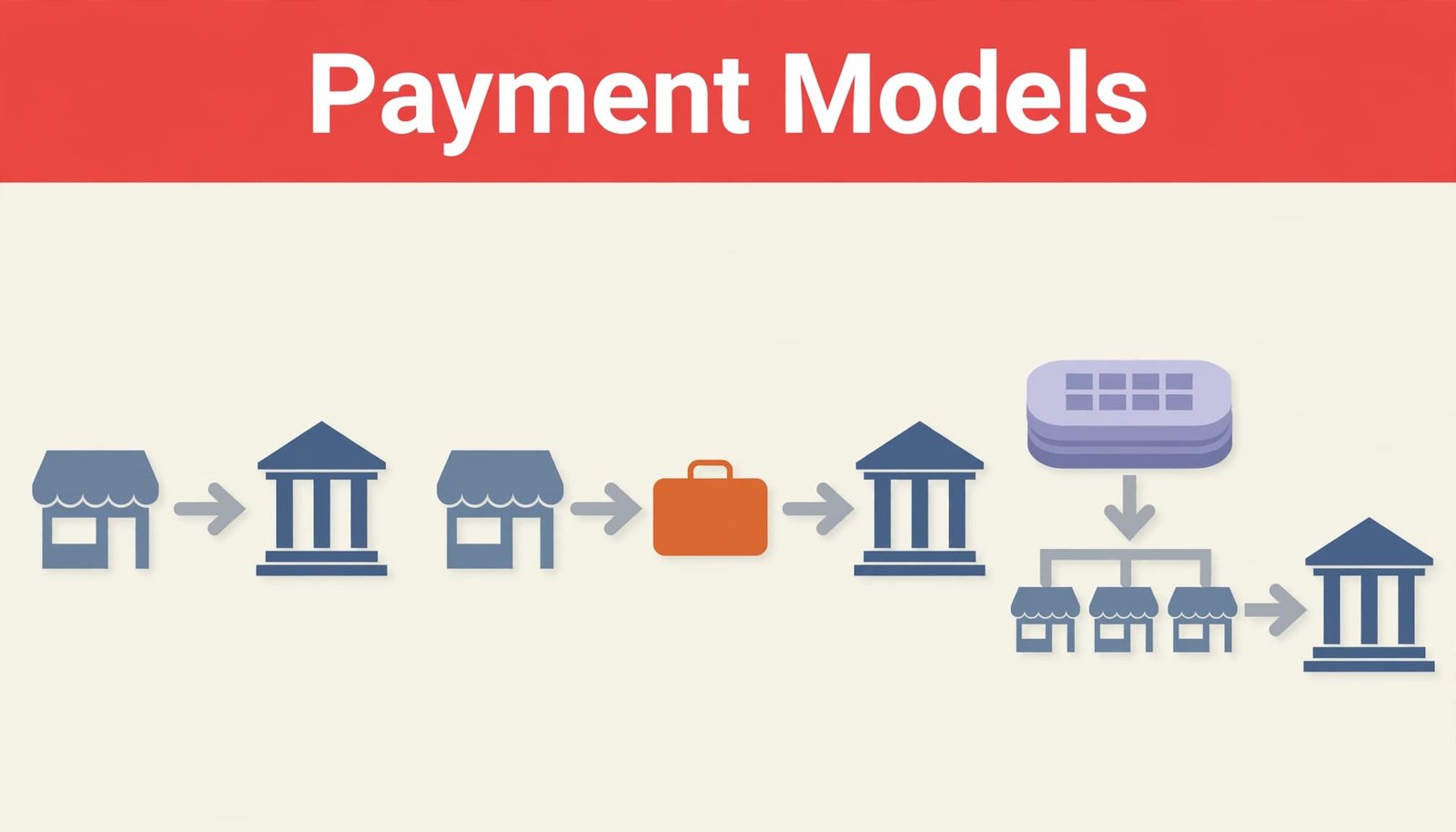
Unlike an MoR arrangement, PayFac processing generally leaves the merchant responsible for its sales, applicable taxes, and contractual chargeback losses. The PayFac can still face exposure to its acquirer when a seller cannot cover losses.
Benefits and tradeoffs for your business
PayFac arrangements combine convenient enrollment, payment acceptance, reporting, and software integration. Square, Stripe, PayPal, and Adyen are commonly cited examples, although services and contractual structures vary.
For software platforms, embedded payments can improve the customer experience and create payment-related revenue. PaymentsJournal’s ISV analysis cites Visa data that 87% of U.S. merchants choose payments alongside business software, plus a Growth Market Reports projection of $50.1 billion in payment facilitation by 2033.
Convenience comes with tradeoffs. Providers can impose reserves, funding holds, activity restrictions, or account termination under their agreements. Bundled pricing also isn’t automatically the lowest-cost option.
Dedicated accounts can offer individualized underwriting and negotiated pricing. Our guide to evaluating merchant service fees helps you compare total costs rather than advertised rates alone.
PayFac models and regulatory responsibilities
Traditional, hybrid, and managed models
Electran’s payment facilitation guide distinguishes three arrangements. Traditional PayFacs hold direct sponsor-bank relationships and manage core operations. A hybrid payment facilitator outsources some operating functions, such as onboarding, underwriting, and transaction monitoring. “Hybrid” is an informal industry label.
PayFac Lite, also called Managed PayFac or Payment Facilitator as a Service, relies on an established provider’s infrastructure. These labels alone don’t establish the platform’s contractual liability.
Becoming a registered PayFac requires sponsor-bank backing, card-network registration, and operational capabilities for underwriting, compliance, disputes, funding, and risk management.
Card-network rules and financial regulation
Registration with card networks or card brands doesn’t replace legal authorization. U.S. FinCEN money-services-business status and Bank Secrecy Act obligations, including anti-money laundering requirements, depend on activities and applicable exemptions, not the PayFac label alone.
EU payment services fall under PSD2 and national supervision, including BaFin. UK authorization falls under FCA rules. Payment Institution or Electronic Money Institution permissions depend on the services provided.
Attorney Nicole Meisner notes that controlling sub-merchant funding can introduce additional money-transmission obligations. Merchants also retain applicable PCI DSS security responsibilities.
Some larger or category-specific merchants require direct acquirer agreements. Certain exceptions involve a two-year PayFac relationship, regular reporting, and continuing acquirer oversight.
Key takeaways
Faster onboarding doesn’t guarantee unrestricted funding. Account structure, reserve terms, dispute obligations, and support quality matter alongside processing fees.
Frequently asked questions
What is a PSP?
A payment service provider helps businesses accept electronic payments. PSP is a broader term than registered payment facilitator.
Does a PayFac eliminate chargebacks?
Chargebacks remain possible. The provider manages dispute workflows, while the merchant’s agreement determines repayment obligations and related fees.
Choose the structure that supports your operations
A payment facilitator offers convenient access to card acceptance and integrated business tools. A merchant-specific acquiring account can provide greater customization and individualized support.
We recommend comparing funding reliability, total costs, and account restrictions alongside setup speed. The right arrangement supports everyday checkout and gives your business room to grow.