
Nashville’s busiest kitchens now run on smarter restaurant POS systems that remove bottlenecks and raise throughput. We deploy AI in restaurant POS, cloud POS for restaurants, and deep integrations to connect menus, stations, and channels in real time. The result is simple: fewer misfires, faster turns, and tighter food costs across brunch rushes, late-night service, and event surges. This is how restaurant POS systems turbocharge Nashville kitchen efficiency and protect margin in a tight labor market.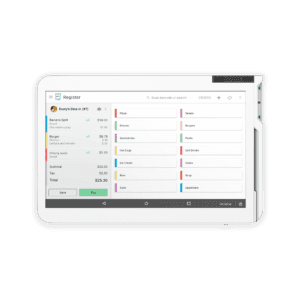 We focus on the stack that moves tickets, not just records them. AI ranks and sequences orders, while kitchen display systems Nashville teams trust surface modifiers and allergies before they cause reworks. Cloud-first platforms push updates across concepts and neighborhoods without downtime and keep lines firing when the internet blips. Integrations synchronize couriers, prep, and inventory so each station hits time targets. Read on to see how AI, cloud, and integrations set the pace for the next wave of restaurant POS systems Nashville kitchen efficiency gains — and how to roll them out for durable speed, accuracy, and control.
AI-Powered KDS and Prep Forecasting
Machine learning now powers the line. We train models to forecast demand by daypart and by event, from Titans home games to CMA Fest and Ryman concert nights. The KDS auto-prioritizes tickets based on predicted surge windows, item mix, and promise times. A Lower Broadway honky-tonk can push late-night sliders and tenders to the top of the queue, while a Germantown bistro prioritizes coursed entrées before curtain at TPAC. These restaurant POS systems Nashville kitchen efficiency gains start with accurate predictions and clear execution rules.
Dynamic cook-time coordination then syncs stations. The KDS staggers fires so proteins, sides, and garnishes land together, not five minutes apart. Fryers start wings as the grill hits steaks at mid-rare; garde manger drops salads last to prevent wilting. On a Titans Sunday, this pacing trims dwell time on the pass, cuts remakes from heat loss, and protects delivery ETAs. Operators see tighter ticket variance and higher table turns without pushing the team past capacity.
Expo views adapt in real time to protect accuracy during rushes. The screen highlights modifiers, gluten-free flags, and allergy alerts at the top of each chit. Color-coded badges and prep notes surface for Spanish-speaking stations and new line cooks. When a Broadway brunch stack adds “no dairy, add hot honey,” expo can pin that modifier until the plate leaves the pass. Fewer voids and comps follow, and guest trust rises with visible consistency.
These AI signals feed the wider stack. Prep forecasts drive batch sizes and par adjustments, improving predictive inventory management and reducing 86s across FOH and delivery channels. Real-time restaurant analytics track ticket times by item and station and trigger auto-throttling before bottlenecks form. The same demand curves inform labor forecasting and scheduling, aligning station staffing for brunch surges or late-night volume. With centralized control, multi-unit groups in The Gulch, East Nashville, and Franklin standardize rules and measure uplift location by location.
Cloud-Native POS with Edge Resilience
Cloud-native POS with edge resilience keeps tickets moving when Nashville weather or game-day traffic knocks out connectivity. An always-on architecture caches orders, payments, and modifiers locally so kitchens keep firing during ISP blips or brief power hiccups with battery backup. KDS, expo printers, and bump bars continue to operate, and the system syncs automatically when the uplink returns. Even in-venue QR code ordering and payments can route over local Wi‑Fi, queuing orders on the edge node until the cloud reconnects — critical for Broadway bars and Gulch patios during pop-up storms or Titans postgame rushes.
Seamless, zero-downtime updates turn menu changes into an operational advantage. Operators can schedule LTOs, pricing changes, and station routing by daypart and location, then push them across multi-unit concepts without disrupting service. Delivery integrations DoorDash Uber Eats stay in lockstep: menu 86s, cook-time promises, and item photos publish once and propagate to each marketplace. That alignment prevents mismatched menus, reduces cancellations, and protects ratings during peak concert nights at Bridgestone Arena or Ascend Amphitheater.
Centralized control strengthens governance across Nashville neighborhoods and suburbs — from East Nashville to Green Hills, Franklin, and Hendersonville. Role-based access defines who edits menus, who sees labor data, and who can comp or void. Device management locks down tablets, KDS screens, and printers with remote wipes, auto-enrollment, and firmware enforcement. Security policies — MFA, IP allowlists, audit trails — standardize compliance across franchisees while keeping data segmented by location.
Tie the edge to the back of house with IoT kitchen equipment monitoring. The POS can auto-push cook programs to smart ovens and fryers, log HACCP checks, and capture temperature and timer data even if the internet goes down, then backfill the cloud on reconnection. Add cellular failover and UPS on each edge node, and set SLAs for recovery and sync times. Track resilience KPIs — offline order volume, sync latency, and error rates — and review them weekly to harden the stack before patio season and football weekends.
4. Labor Optimization and Dynamic Pacing
We use demand forecasts to set precise station staffing by daypart and neighborhood. Brunch in 12 South needs egg and griddle depth; late-night on Broadway needs fry and expo coverage. The system models event lift from Titans games and concert nights, then recommends cross-training to flex between pantry, grill, and runner roles. Multi-location franchise POS controls push these schedules chain-wide, while local GMs fine-tune for patio size, parklets, and food truck deployments.
Real-time ticket load drives dynamic pacing on every channel. When the KDS spikes, we auto-throttle third-party and first-party online orders, and cap new patio seats until the line clears. Couriers see delayed ready times, while hosts stage arrivals to protect speed of service. For multi-unit operators, we coordinate throttles across stores to balance volume during peak surges in the Gulch, Midtown, and East Nashville.
Prep lists and task timers align with arrivals to cut idle time and overtime. Line checks roll forward when inbound covers slip. Batch timers cue fry oil turns and protein holds to match forecasted plate counts. When a storm slows foot traffic, the system collapses stations and reassigns support tasks to keep payroll in range. Offline mode and redundancy keep pacing logic active during ISP hiccups, so staffing and throttles stay consistent even when the network blips.
We secure labor workflows with role-based access that meets data security PCI compliance restaurants standards. Managers approve swaps and breaks from authenticated devices, while corporate tracks punch integrity and variance to plan labor by unit and daypart. Central analytics surface cook-time outliers by station, flag training gaps, and suggest targeted cross-training. The result is a tighter schedule, fewer remakes, and a steadier guest experience across every Nashville kitchen.
5. Omnichannel Order Orchestration and Throttling
Unified order orchestration puts every ticket — dine-in, takeout, delivery, catering, and food truck — into one KDS flow. We standardize item routing and prep sequencing, so the grill, fry, and salad stations see a single truth. Expo leads manage one queue instead of chasing tablets from five channels. This alignment lifts restaurant POS systems Nashville kitchen efficiency by cutting context switching and handoff friction on the line.
Smart throttles protect speed and food quality. We sync promised times with courier ETAs, dining room seatings, and live kitchen capacity. When a Broadway dinner rush spikes or a titan of catering sends 60 boxed meals to the Gulch, the system auto-paces digital orders to avoid pileups and cold fries. Edge computing in kitchens keeps this logic running during ISP hiccups, so a food truck at a Titans tailgate or a pop-up in East Nashville still throttles accurately without dropping tickets.
Menus and cook-time promises update in real time across DoorDash, Uber Eats, catering portals, and first-party apps. When inventory automation flags an 86, we remove or substitute items instantly. When the fryer backs up, we extend ETAs by a few minutes and steer guests to faster items. This live coordination lowers refunds, reduces remakes, and stabilizes review scores across channels, which improves POS ROI and total cost for multi-unit operators.
Execution requires disciplined staff training and change management. We train hosts to quote accurate waits from the same queue. We teach expo to trust pacing rules and to stage courier orders in a dedicated handoff lane. We define ownership for menu switches before events and shift changes. With clear roles and quick refreshers, teams move in sync, and omnichannel orchestration becomes a daily habit rather than an exception workflow.
Real-Time Analytics and Local Benchmarking
Live dashboards now surface ticket times by station, item, and shift, so managers spot slowdowns as they happen. We track expo dwell, grill cycle variance, and pack-out lag in one view. When the fryer spikes during late-night traffic in The Gulch, the system flags it and suggests rebalancing sides to a secondary well. For curbside and pickup orchestration, dashboards show queue length by minute, aligning bag-off times with guest ETA to keep food hot without stacking tickets.
Local benchmarking gives operators realistic targets. We compare Broadway brunch volumes to 12South dinner pace, not to a national average that ignores event swings. A Midtown fast casual can see how its chicken sandwich throughput ranks against peers within a two-mile radius of Vanderbilt. We also segment by kitchen format and equipment, so a food truck on Lower Broadway measures against similar rigs, not full-service lines.
Predictive insights turn data into action. The platform recommends menu engineering moves when low-margin items clog the grill during Titans home games. It flags a sauté bottleneck and proposes moving a popular appetizer to the fryer with a tested spec, opening five minutes of capacity per ticket. If pantry times drift on concert nights near Bridgestone Arena, the system advises a temporary station swap and adds a runner during peak 30-minute windows.
We extend analytics into sustainability and energy monitoring to protect margins and uptime. Sensors track oven idle time and hood usage by shift, prompting schedule tweaks that cut kilowatts without slowing service. Ticket-time data correlates with compressor cycles, revealing when cold-holding doors open too often during delivery surges. We feed these insights back to KDS rules and labor pacing, so Nashville kitchens hit benchmark speeds, reduce energy waste, and maintain consistency across dine-in, delivery, and curbside and pickup orchestration.
Connected Kitchen Integrations (IoT) and Maintenance
We connect the POS to smart ovens, fryers, and holding cabinets to standardize execution and compliance. When a hot chicken order fires, the fryer auto-loads the right program, oil life is verified, and cook profiles lock to spec. The system logs temps, dwell times, and clean cycles against HACCP requirements without clipboards. Expo sees verified cook states on the KDS, so teams release plates with confidence during Broadway rushes and post-game spikes.
We deploy sensors and equipment telemetry to predict failures before they hit a Friday night. Oil quality, motor amperage, door cycles, and recovery times flow back to the POS. When a combi oven shows slow heat recovery in Germantown, the platform schedules service on Monday morning instead of breaking on Saturday. Parts ordering and technician dispatch tie to the same dashboard, cutting surprise downtime and overtime calls.
We route temperature and timer data directly to the KDS to tighten consistency on proteins and fried items. Brisket holding cabinets surface time-at-temp and freshness windows to expo in real time. If a batch nears its threshold, the system reprioritizes tickets, suggests a swap to the second cabinet, or adjusts promise times for delivery. That feedback loop lifts accuracy and keeps food hot even as volumes surge across Titans home games and concert nights.
These integrations raise restaurant POS systems Nashville kitchen efficiency by eliminating manual checks, avoiding equipment surprises, and standardizing cook outcomes. Operators gain verifiable food safety, faster ticket turns, and lower maintenance costs. We recommend piloting with two critical stations — fry and oven — then expanding to holding, dish, and HVAC. Standardize alerts, parts inventory, and service SLAs across locations to lock in gains at scale.
Where Nashville Kitchens Gain Next
The next generation of restaurant POS systems will blend AI forecasting, cloud reliability, and deep integrations to lift Nashville kitchen efficiency. AI-powered KDS, edge-resilient cloud platforms, automated inventory, and omnichannel orchestration now work as one system. They cut ticket times, reduce remakes, and protect consistency from Broadway to the suburbs. With real-time analytics and connected equipment, operators tighten line flow, control food cost, and keep teams aligned on peak nights.
Act now. Pilot these capabilities in one store. Measure ticket times, food cost, and labor by station. Standardize wins across units. We help operators deploy, train, and govern the stack so results stick. Operators who move first gain durable speed, accuracy, and margin advantages across Nashville’s dining scene.
Working with United Banc Card of TN
If you find yourself wanting to conquer your restaurant, retail shop, look no further than United Banc Card of TN. With their innovative solutions and trusted POS System services, they will guide you towards financial success. Whether you are a small business owner or an individual looking to manage your finances better, United Banc Card of TN has the tools and expertise to help. Call us today @615-476-0255