ATM Machines for Sale in Tennessee: A Buyer’s Guide
An ATM can give Tennessee businesses a convenient way to serve customers, support in-person purchases, and generate ATM income. The right investment depends on customer demand, operating costs, and how much responsibility your business wants to take on.
When comparing ATM machines for sale in Tennessee, the equipment price is only one part of the decision. Machine condition, placement, cash handling, and ongoing service all affect the value your business receives.
Start with a management model that fits your daily operations, then compare equipment and support around that plan.
Key Takeaways
- Choose an ATM management model that fits your staff, cash-handling capacity, and desired level of control.
- Compare equipment condition, capabilities, upgrades, warranty, installation, and service coverage, not just the purchase price.
- Estimate income using expected transaction volume, revenue-sharing terms, and operating expenses.
- Assess each location’s customer demand, access, nearby ATMs, and effect on business traffic.
- Set clear procedures for cash replenishment, maintenance, customer issues, and equipment downtime.
Buying an ATM Machine in Tennessee: Start With Your Business Model
A successful ATM setup begins with a clear business purpose. Some owners prioritize transaction income, while others want customers to access funds without leaving their store, restaurant, or bar.
Consider ATM placement alongside the management model, since location shapes demand and service terms determine workload. A surcharge-generating ATM may provide direct income, while a surcharge-free ATM can prioritize customer access. Availability depends on the provider and location.
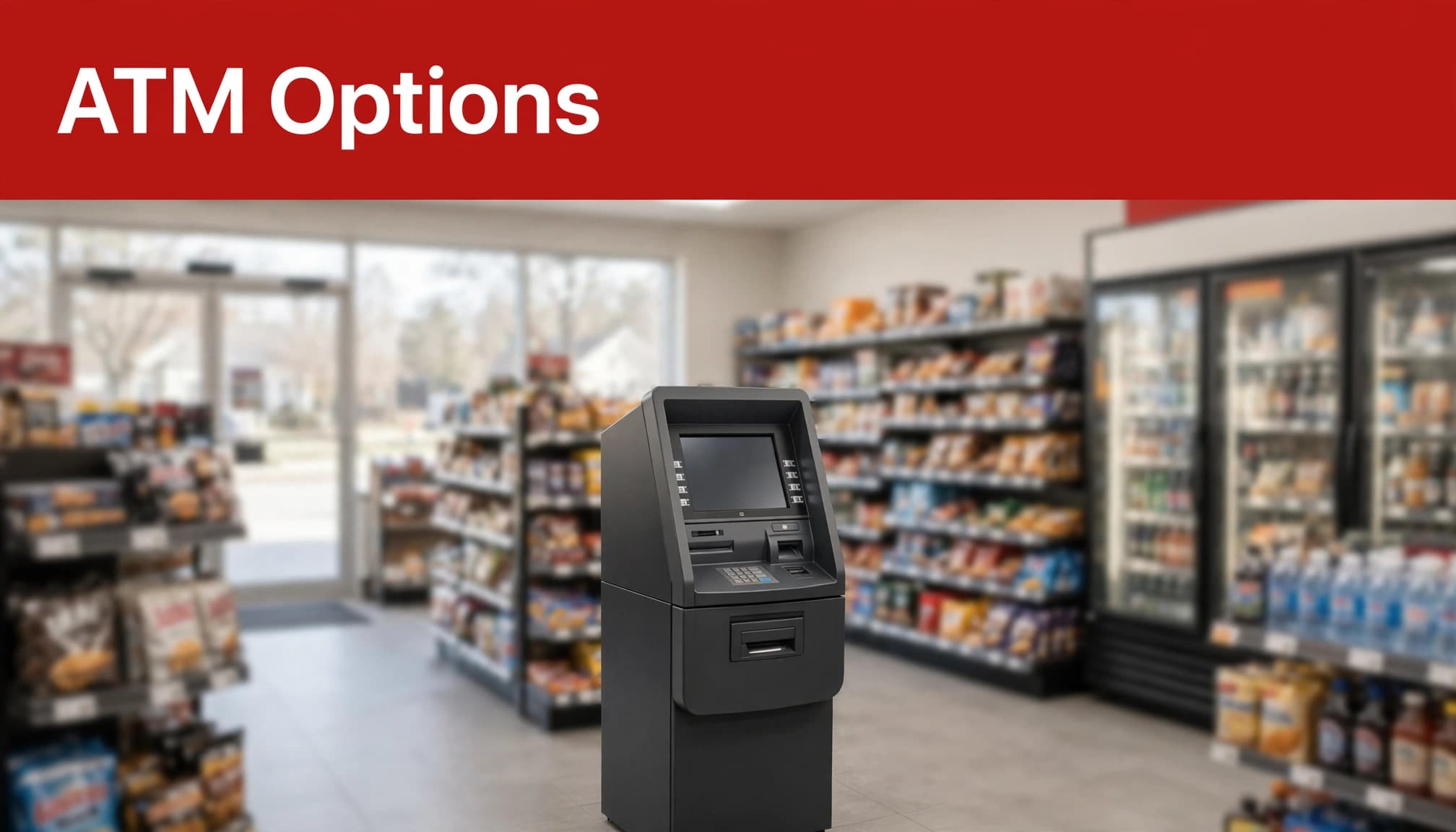
Choose between self-managed and fully managed service
Self-managed ATMs give business owners direct responsibility for loading funds and routine oversight. This approach provides greater control, but it also requires staff time, consistent procedures, and enough currency on hand to keep the machine operating.
Fully managed service can include placement, processing, currency provisioning, monitoring, and maintenance. It reduces the operational workload, which can be valuable when your team already handles busy sales periods and customer service.
Ownership and servicing are separate decisions. A business can own its ATM while using outside support for selected responsibilities. The agreement should clearly assign currency handling, repairs, customer issues, and responsibility when the machine is unavailable.
Estimate revenue based on location and customer demand
Surcharge income depends on completed transactions and the share of each fee your business retains. Gross surcharge revenue isn’t the same as profit, because processing, servicing, and funds-related costs affect the final result. Revenue sharing terms explain how the agreement divides income and responsibilities.
Evaluate the ATM’s role within your business as well. Convenient access may support purchases or encourage additional visits, but those benefits shouldn’t replace a realistic operating budget.
Our Tennessee ATM business startup guide covers the broader ownership opportunity. For an individual location, base projections on customer withdrawal needs, nearby alternatives, and the host agreement. A busy address alone doesn’t establish a dependable return.
Compare ATM Machines for Sale in Tennessee
New and refurbished machines can both fit a small-business plan. When comparing ATM machines for sale in Tennessee, focus on equipment condition, ownership costs, and support that matches your operating hours.
Supplier quotes may include models such as the Genmega G2500, Genmega Onyx-P, Genmega Onyx-W, and Genmega GT5000. For each model, compare documented condition and capabilities, then check listed upgrades, warranty, and service coverage.
Check features, condition, and payment security
Compare the machine’s documented capabilities with the services your business plans to offer. Check for an EMV-compliant reader, ADA accessibility, EMV standards, and clear surcharge disclosure. Federal and Tennessee requirements can depend on the installation and operating arrangement. Verify current state-specific guidance with relevant authorities or a qualified provider. An ATM compliance overview describes these separate areas without treating them as interchangeable.
For refurbished equipment, evaluate its working condition, included upgrades, and service coverage. Cosmetic appearance doesn’t establish how well the machine will perform or how easily it can be maintained.
Security also deserves attention beyond the equipment description. KrebsOnSecurity’s ATM chip-card shimmer report documents a device discovered inside a card reader. Include equipment inspections and a clear response to suspicious changes in your operating procedures.
Compare local suppliers and support options
When comparing ATM machines for sale in Tennessee, assess installation, processing arrangements, warranty protection, maintenance, and technical assistance. A lower equipment price can lose its advantage when essential services carry separate charges or support is difficult to access.
Written proposals make these differences easier to assess. If an offer advertises free ATM installation, check its conditions and what the agreement includes. Separate installation services from ongoing support, and identify routine maintenance and repairs that may cost extra.
For Tennessee businesses, local service coverage matters as much as the supplier’s address. Installation coordination, repair availability, and clear communication affect how quickly an interruption can be resolved. We encourage owners to compare the full support arrangement, so the equipment purchase supports dependable customer service without avoidable administrative work.
For each Genmega G2500, Genmega Onyx-P, Genmega Onyx-W, and Genmega GT5000 quote, compare the documented condition, capabilities, and upgrades. Check warranty terms and service coverage before choosing a model.
Plan for ATM Costs Beyond the Purchase Price
The full cost of ownership includes the equipment, setup, ongoing operation, and working capital committed to keeping the machine stocked. Comparing these categories gives you a clearer picture than the purchase price alone.
Budget for installation and recurring expenses
Installation may involve electrical work, connectivity, and preparation of the selected space. These expenses depend on the site and equipment arrangement, so separate installation charges from the machine price in your budget. Compare offers of free ATM installation by checking eligibility, site-preparation costs, and bundled service or contract requirements before assuming they’re free.
Recurring costs can include processing and network fees, replenishment services, maintenance, repairs, and security. Some agreements bundle services, while others charge for them individually. The distinction affects both monthly expenses and the cost of an unexpected interruption.
A service plan can help limit downtime, but its value depends on its price and coverage. Consider which problems it addresses, how service requests are handled, and which expenses remain your responsibility.
Funds loaded into an ATM are working capital your business must provide, separate from the cost of purchasing the machine.
Compare buying, leasing, and financing
Buying gives you ownership and can provide more freedom over long-term equipment decisions. It also places more of the initial financial commitment on your business.
Leasing or financing spreads payments over time, but the monthly payment doesn’t show the complete cost. Compare total payments, contract length, ownership terms, service responsibilities, and the conditions for ending or upgrading the agreement.
Keep equipment payments separate from operating expenses when reviewing proposals. A manageable payment can still leave substantial responsibilities for currency handling and repairs.
The right arrangement supports your cash flow without creating obligations that outweigh the ATM’s expected value. Evaluate affordability across the agreement’s full term, including slower periods when transaction income may decline.
Choose a Tennessee Location and Keep the ATM Reliable
Placement and daily management work together. Customers need to notice the ATM, reach it comfortably, and find it available when they need funds. Reliability supports both transaction revenue and customer confidence.
Look for steady foot traffic and convenient access
Assess visibility, customer movement, business hours, and nearby ATMs. Effective ATM placement follows customer flow, with clear sightlines and comfortable access. A machine that interrupts checkout traffic or sits outside customers’ usual path can be inconvenient even inside a busy business.
Match the location to purchasing behavior. Gas stations and convenience stores may serve customers beyond standard business hours, while sit-down restaurants often see demand around meals. Retailers, bars, gas stations, sit-down restaurants, and travel stops have different customer needs and transaction patterns. The ATM should fit those activities without creating congestion.
Nashville is one potential market, but suburban communities and smaller Tennessee towns also deserve individual assessment. Compare Nashville with smaller communities such as Michie in McNairy County. Population size doesn’t replace a site-level demand review. Consider when customers need funds, whether competing machines are available during those hours, and how easily people can use your machine without disrupting others.
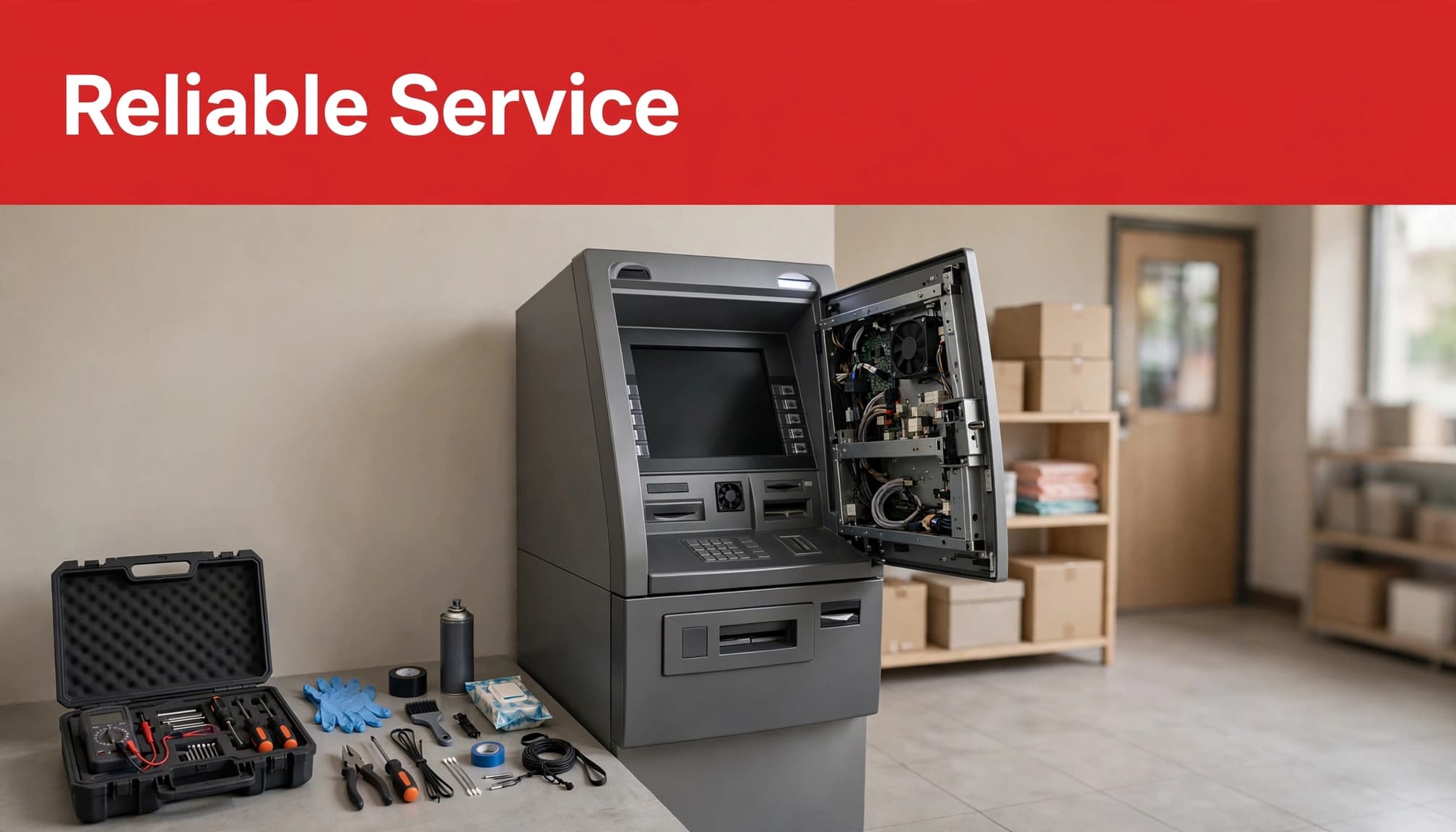
Set up currency management, monitoring, and maintenance
Assign responsibility for reviewing available funds, replenishment, transaction tracking, and routine servicing before the machine begins operating. Consistent procedures reduce confusion when staff members change shifts or an issue occurs during a busy period.
Include a clear process for customer complaints and unsuccessful transactions. Employees need to know who handles the issue and what information to record, without making promises about refunds they don’t control.
Currency transport support can reduce the workload and exposure associated with transporting funds. A provider may also offer cash vaulting, so confirm its responsibilities in the service agreement. Its usefulness depends on the location, available staff, and service arrangement. Review operating records regularly so changes in demand lead to appropriate adjustments in replenishment and servicing, rather than repeated interruptions.
Frequently Asked Questions
How much does an ATM machine cost in Tennessee?
Equipment cost depends on condition, capabilities, and the purchase arrangement. New and refurbished machines also have different service considerations. Evaluate the machine price separately from installation, operating expenses, and the funds needed to cover withdrawals.
Can a small business make money from an ATM?
A small business can earn income when customers use its ATM. Profit depends on transaction volume, the share of that income the business retains, and operating expenses. The host agreement determines how income and responsibilities are divided between the parties.
Should I buy an ATM or choose a managed service?
Buying suits owners who want equipment control and can take on the related responsibilities. Managed service reduces daily involvement through an agreed package of support. Your available staff, ability to handle refills, and preferred financial commitment guide the choice.
What should I look for in a used ATM?
Evaluate documented condition, EMV chip acceptance, and the service arrangement attached to the machine. Upgrade needs and ongoing support affect its usefulness. A lower purchase price offers limited value if the equipment creates frequent interruptions or expensive servicing.
How often does an ATM need cash replenishment?
Refill timing depends on withdrawal activity, bill capacity, and local demand. A location’s busiest periods may require a different schedule than slower days. Replenishment planning should follow actual usage rather than an assumed schedule that never changes.
Cash vaulting is an arrangement where a secure third-party provider or armored courier holds, delivers, and insures the physical cash loaded into your ATM. Instead of your business tying up its own working capital or staff members handling cash transport, the vault provider manages the currency provisioning.
This arrangement impacts your ATM profits by reducing the internal labor and risk associated with cash handling, but it also introduces service fees or revenue-sharing terms that affect your net returns. Its impact depends on your operating model, cash-handling capacity, and the specific terms of your provider agreement.
Do I need a service provider for my ATM?
An owner can handle some daily responsibilities while relying on providers for other functions. Processing, servicing, cash handling, and customer assistance can be assigned separately. A clear agreement prevents gaps when an operational issue requires attention.
Choose an ATM That Fits Your Business
An ATM investment works best when the management model, ownership costs, equipment condition, and location demand support one another. Dependable service gives customers a reason to use the machine and gives your team a manageable operating routine.
Compare ATM options against your currency-handling capacity and the needs of the customers you serve. We help Tennessee business owners make that decision with a clear focus on convenience, operational responsibility, and long-term value.
Working with United Banc Card of TN
If you find yourself wanting to conquer your restaurant, retail shop, look no further than United Banc Card of TN. With their innovative solutions and trusted POS System services, they will guide you towards financial success. Whether you are a small business owner or an individual looking to manage your finances better, United Banc Card of TN has the tools and expertise to help. Call us today @615-476-0255