An ATM can add steady income to a bar, amusement park, convenience store, restaurant, or other high-traffic business. Customers get quick access to cash, while business owners earn surcharge revenue and may see more visitors who need money for purchases, tips, games, food, or entertainment. A well-placed machine can become part of an ATM business, creating potential passive income alongside core sales.
Buying an ATM requires more than choosing a machine and placing it near the front door. You also need to review the location, customer demand, transaction fees, operating costs, maintenance services, and compliance requirements. Some placement arrangements use revenue share instead of, or alongside, other payment terms. The right planning helps you choose equipment that fits your budget and supports long-term business income.
Use this checklist to review the most important steps before buying your first ATM.
Key Takeaways
- Choose a standalone ATM that fits your location, customer needs, available space, security requirements, and budget.
- Evaluate foot traffic, cash demand, nearby ATMs, visibility, accessibility, lighting, and customer behavior before selecting a placement.
- Set a competitive surcharge after reviewing nearby fees, processing costs, revenue share terms, cash-loading expenses, maintenance, and other operating costs.
- Review the full cost of ownership, including equipment, installation, vault cash, financing, repairs, supplies, insurance, and permits.
- Confirm warranty coverage, technical support, ADA and EMV compliance, required disclosures, permits, and ongoing recordkeeping before installation.
Learn About the Main Types of ATM Machines
The first step in an ATM machine purchase is learning how different ATM types work. Most first-time buyers focus on standalone, also called retail or off-premise, ATMs. These retail ATM machines are placed in privately owned businesses such as bars, amusement parks, gas stations, convenience stores, hotels, and restaurants.
Standalone ATMs operate separately from traditional bank branches. A private owner can select the location, set the surcharge with the help of ATM processing services, and receive income from approved transactions. This type of machine is usually the best fit for business owners who want direct control over their ATM operation.
Bank-owned ATMs are commonly located inside bank branches or near bank facilities. They may include additional features and carry a familiar financial institution brand, but they usually aren’t available for private ownership. They also operate under different rules and business arrangements.
When comparing machines, review the features that affect your daily operation. Some models offer basic cash withdrawals, while others include balance inquiries, receipt printing, surcharge disclosures, and multilingual instructions. Look for practical options such as wireless connectivity and a reliable receipt printer. Advanced models may provide stronger security features, larger screens, or improved accessibility.
The physical size of the machine also matters. A compact ATM can fit inside a small bar, ticket booth, lobby, or store entrance. Larger models may hold more cash or include additional equipment, but they require more floor space and may cost more to install.
Standalone ATMs offer flexibility and direct access to transaction income, but they also require attention to cash loading, connectivity, maintenance, and compliance. Before purchasing, confirm that the machine’s features and size fit the location where you plan to install it.
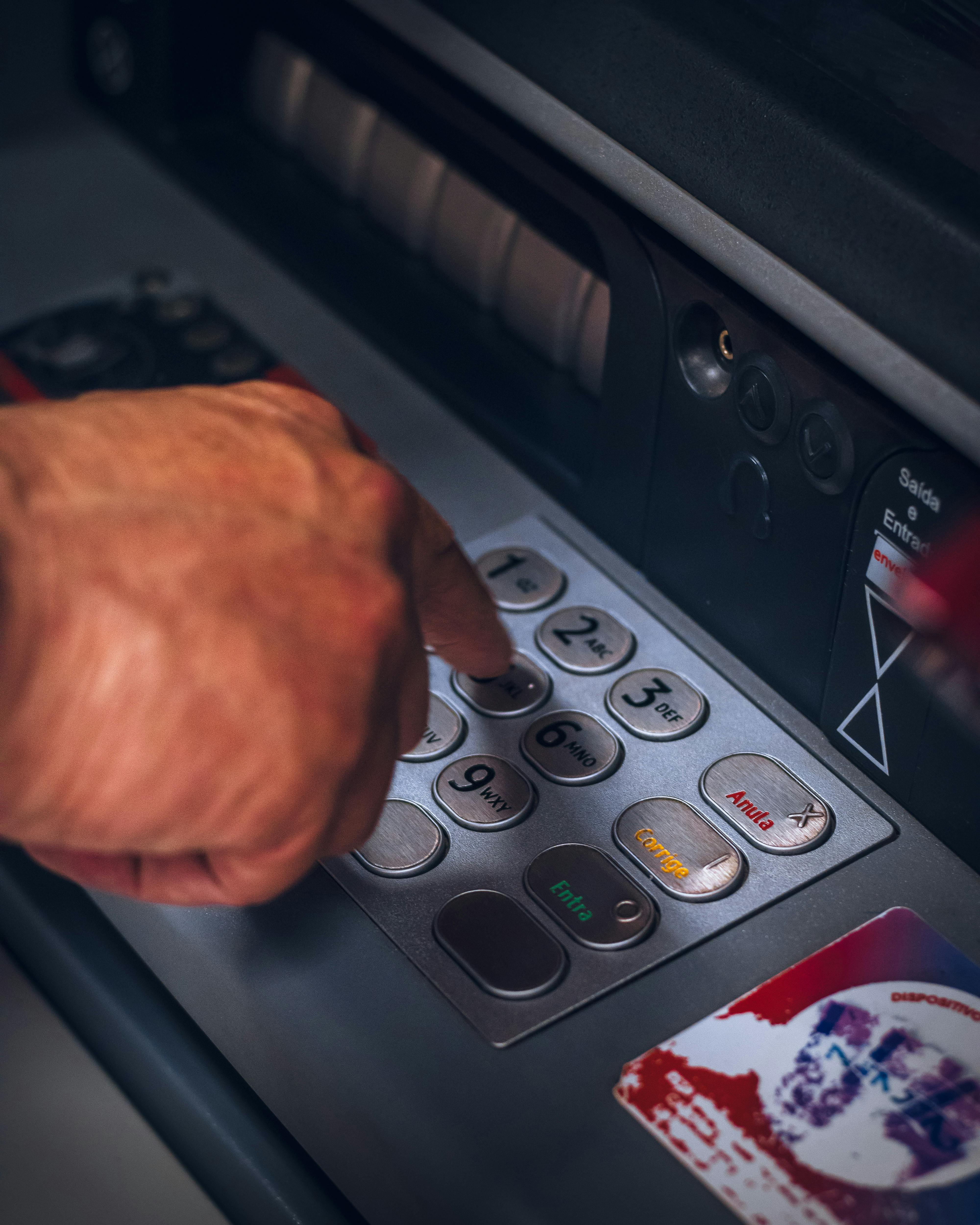
Reliable models from a trusted ATM manufacturer include the Genmega G2500, Nautilus Hyosung, Hyosung Halo II, and Triton ARGO. Compare each unit’s security features, accessibility options, and operating requirements. Also confirm EMV compliance and dependable ATM processing before selecting a machine.
Evaluate Your Target Customers
Evaluate each proposed site as part of your broader ATM business plan. Your ATM should be placed where people regularly need cash. Start by identifying the customers who visit the location. The needs of bar patrons may differ from families at an amusement park, travelers at a hotel, or shoppers at convenience stores.
Bars and nightlife businesses often attract customers who need cash for tips, cover charges, food, drinks, or cash-only services. An ATM near the entrance or bar area can give patrons convenient access without requiring them to leave the property. Amusement parks may benefit from ATMs near ticket counters, food areas, arcades, parking exits, and other places where visitors make frequent purchases.
Consider the following questions before choosing a location:
- How many people visit the business each day?
- Do customers stay for a short visit or several hours?
- Are nearby vendors or cash-only businesses?
- Do customers commonly pay tips or admission fees in cash?
- Is the location open during evenings, weekends, or holidays?
- Do visitors have to leave the property to find another ATM?
Visit possible locations at different times of the day and week. A bar may be quiet in the afternoon but crowded on Friday and Saturday nights. An amusement park may have strong seasonal traffic and different customer patterns during weekdays, weekends, and special events.
Foot traffic is important, but customer behavior matters just as much. A busy location may not produce strong ATM activity if nearly every customer pays electronically. A smaller business with regular cash demand may produce better results than a larger site where customers rarely withdraw money. Estimate potential surcharge revenue, then check whether the placement agreement requires revenue share with the site partner.
Review existing ATMs in the area before committing to a placement. Note how close they are, whether they appear operational, and whether they’re accessible during your business hours. If another ATM is inside a nearby bank or across a parking lot, placing your machine near the entrance of your business may provide greater convenience.
Choose a Location With Strong Visibility
The physical placement of your ATM directly affects how often customers use it. Choose a visible area near an entrance, customer service counter, bar, ticket booth, or busy walkway. Customers should find the machine without asking an employee for directions.
An ATM hidden behind a wall, in a back hallway, or in a low-traffic corner may receive fewer transactions. The best location is easy to see, easy to reach, and close to where customers are likely to need cash.
Bars can place ATMs near the entrance, waiting area, or main bar, as long as the machine doesn’t interfere with customer movement. At amusement parks, consider areas near admission gates, food courts, game areas, and high-traffic attractions. Check the dimensions, enclosure requirements, and installation method of your chosen model, such as the Triton ARGO, before committing to the site.
Review the location at different times before installation. Check lighting, customer flow, staff visibility, weather exposure, and access during peak business hours. An outdoor ATM may need a weather-resistant enclosure and additional security measures. An indoor unit may require permission from the location owner and adequate space for customers to stand safely. A through-the-wall ATM can provide outdoor access while keeping key equipment indoors, but it requires careful wall, electrical, and security planning.
Security should be part of the location decision. Choose an area with proper lighting and, when possible, surveillance cameras. Avoid isolated corners where customers may feel uncomfortable using the machine. A secure location protects the equipment and cash while encouraging people to complete transactions.
You may also need permits or written approval before installing an ATM. Requirements vary by city, state, property type, and installation location. Speak with local authorities and the property owner before placing the machine. Confirm any rules related to business licenses, electrical work, signage, accessibility, and outdoor installations.
Set a Competitive Transaction Fee
The surcharge is the fee a customer pays when withdrawing cash from your ATM. Transaction fees often fall within a common market range, but the right amount depends on location, customer demand, nearby competition, and operating costs.
A higher fee may be accepted in a bar, amusement park, hotel, airport, or event venue where customers value immediate cash access. A lower fee may attract more users in a neighborhood store or area with several competing ATMs. The goal is to support revenue without discouraging customers.
Research the fees charged by nearby ATMs before setting your surcharge. Check machines in competing bars, stores, gas stations, entertainment venues, and bank locations. Consider your machine’s convenience, including extended access, strong visibility, shorter walking distance, or placement near cash-only services. If you’re sharing income with the site owner, include the agreed revenue share in your calculations.
Your calculation should include more than the surcharge revenue from each transaction. Evaluate it after ATM processing and network charges. ATM-related expenses are separate from your business’s credit card processing fees, so don’t combine them. Also account for cash-loading costs, paper supplies, repairs, insurance, and other operating expenses.
Review monthly transactions regularly. If usage falls after a fee increase, compare the added revenue per transaction with the loss in transaction count. Make changes based on actual performance rather than guesswork.
Customers should see the surcharge clearly before completing a withdrawal. Clear fee disclosures build trust and help prevent complaints. Confirm that your ATM displays the required information on screen and provides any required details on the receipt.
Review ATM Costs and Financing Choices
The purchase price is only one part of the startup costs for an ATM business. A new machine may cost several thousand dollars, depending on its model, security features, screen size, cash capacity, and accessibility options. For example, a Triton ARGO may have different pricing and installation needs based on its specifications.
Installation, delivery, programming, network setup, and initial cash loading may create additional expenses. The initial cash load, often called vault cash, is working capital held inside the machine and remains separate from the equipment purchase price.
Include the following costs in your budget:
- ATM equipment
- Shipping and installation
- Processing setup
- Initial cash inventory
- Insurance
- Receipt paper and other supplies
- Software or communication fees
- Routine maintenance
- Repairs and replacement parts
- Permits and location-related expenses
Compare used ATM machines with new ATM machines before making a decision. Used equipment may lower your upfront cost, but it can have limited warranty coverage or older features. New equipment typically offers better warranty protection and condition, but usually requires a larger initial investment.
Buying a machine outright gives you full ownership and can provide stronger long-term returns. It also requires a larger initial payment and leaves you responsible for maintenance and repairs after the warranty period.
Leasing may reduce your initial expense and help preserve working capital. Some lease agreements include service or maintenance support, but terms vary. Review the monthly payment, contract length, repair responsibilities, upgrade terms, and cancellation policy before signing.
Rent-to-own programs are another option for some business owners. These arrangements may allow you to begin operating the machine with regular payments before taking ownership. Compare the total cost with the price of purchasing the ATM outright.
Create a realistic budget before ordering equipment. Include a reserve for repairs, cash replenishment, and unexpected service calls. Keep ATM expenses separate from unrelated credit card processing fees, and use a dedicated business checking account for surcharge income and operating costs.
Track monthly transactions, surcharge income, expenses, and net revenue. A placement agreement may also require a revenue share, reducing your return even after the equipment is fully paid for. These figures can help you decide whether to keep the ATM in place, adjust the fee, improve its visibility, or move it to a stronger location.
Confirm Maintenance and Technical Support
A reliable ATM must be available when customers need it. A machine out of service during a busy weekend, concert, holiday, or amusement park event can lose transactions and frustrate customers.
Ask the supplier about the recommended ATM maintenance schedule and common repair issues. Regular checks may include cleaning the card reader, inspecting the cash dispenser, replacing receipt paper, reviewing network connections, and installing software updates.
Before completing your purchase, review the warranty carefully. Find out which parts are covered, how long coverage lasts, and whether labor or on-site service is included. For models such as the Triton ARGO, confirm that replacement parts and service coverage are readily available. Some warranties cover hardware defects but exclude damage from misuse, weather, vandalism, or improper installation.
Technical support is also important. Choose a provider that offers clear troubleshooting instructions and responsive service. Remote diagnostics can help identify communication errors, paper shortages, cash dispenser problems, or other issues without waiting for a technician to arrive.
Ask these questions before selecting a supplier:
- Is support available after regular business hours?
- How quickly are service calls handled?
- Are replacement parts kept in stock?
- Does the provider offer remote monitoring?
- Who is responsible for software updates?
- Does the processor notify you when the ATM goes offline?
- Are maintenance costs included in the purchase or lease agreement?
Train employees to recognize basic alerts, such as low vault cash, receipt paper shortages, or network problems. Staff shouldn’t open the machine or attempt repairs they aren’t qualified to perform. However, they can report issues quickly and direct customers to another nearby ATM when necessary.
Follow Compliance and Regulatory Requirements
ATM owners must follow federal, state, and local requirements. The rules may cover customer disclosures, accessibility, security, licensing, recordkeeping, and transaction processing.
The Americans with Disabilities Act requires public ATMs to support ADA compliance through accessible features. These may include usable controls, appropriate screen placement, tactile markings, audio instructions, and clear access for customers with mobility limitations. Ask the supplier for current documentation showing how the machine meets applicable accessibility standards.
ATM operators may also have responsibilities related to anti-money laundering rules and financial recordkeeping. Payment security standards, including EMV compliance, may affect card readers and transaction processing. Requirements can depend on how the machine is owned, operated, and connected to a processing network. Speak with a qualified professional or your ATM provider about the rules that apply to your business.
Before installation, check whether you need a business license, local permit, sales tax registration, or approval for the specific property. The location owner may require separate documentation for each ATM. For example, if you’re considering a Triton ARGO, confirm its current accessibility and security documentation rather than assuming the model alone guarantees compliance. Property owners may also have their own installation rules, insurance requirements, and contract terms.
Review the required surcharge disclosures and receipt information. Customers should receive clear information about the fee before approving a transaction. Keep transaction, maintenance, service call, and cash-loading records organized through your business checking account and according to applicable business and processor requirements.
Regulations can change, so ask your provider how it communicates updates. A supplier that offers compliance support can help you identify required signage, software changes, and machine updates. Handling these details before installation helps prevent fines, service interruptions, and forced removal.
Promote the ATM at Your Business
Even a well-placed ATM may need basic promotion. Customers should know the machine is available before they need cash. Use clear signs near entrances, counters, parking areas, ticket booths, and other high-traffic points.
At a bar, signs can direct customers toward the ATM before they reach the main service area. At an amusement park, signs near admission gates and food areas can help visitors find the machine quickly. Keep all promotional information accurate, especially details about fees, access, and operating hours.
Local marketing can include:
- Entrance and window signs
- Directional signs inside the business
- Mentions on your website
- Social media posts
- Google Business Profile updates
- Printed information for event guests
- Notices in customer emails or newsletters
Partnerships with nearby businesses may also increase usage. A bar can work with neighboring restaurants, event venues, or hotels. An amusement park can coordinate with food vendors, game areas, and nearby attractions. These partnerships can direct customers to the ATM when they need cash for purchases, tips, games, or admission-related expenses.
Make sure any advertising follows applicable rules. Don’t claim that an ATM is free if a surcharge applies, and display fee information accurately. Keep signs clear and avoid placing them where they block walkways, emergency exits, or accessibility routes.
Frequently Asked Questions
How much does it cost to purchase an ATM?
A new ATM may cost several thousand dollars depending on its model, features, security options, and cash capacity. You should also budget for shipping, installation, processing setup, initial vault cash, insurance, maintenance, and permits.
Where is the best place to install an ATM?
The best location is visible, easy to reach, secure, and close to where customers need cash. Entrances, bars, ticket counters, food areas, customer service counters, and busy walkways can provide strong placement opportunities when supported by consistent cash demand.
Should I buy or lease an ATM?
Buying an ATM requires more upfront capital but provides full ownership and may offer stronger long-term returns. Leasing or rent-to-own can reduce the initial expense, but you should compare the total cost, contract terms, maintenance responsibilities, and cancellation policy.
How much should I charge for ATM transactions?
The right surcharge depends on customer demand, nearby competition, location convenience, processing costs, and any revenue share paid to the site owner. Review competing ATM fees and track transaction volume after installation so you can adjust the fee based on actual performance.
What compliance requirements apply to ATM owners?
Requirements may include ADA accessibility, EMV-compatible processing, surcharge disclosures, business licenses, local permits, security standards, and transaction recordkeeping. Ask your ATM provider or a qualified professional which federal, state, and local rules apply to your machine and location.
Complete Your First ATM Purchase With Confidence
A successful ATM machine purchase supports an ATM business plan based on your customers and location. Choose a standalone machine that fits the space, then study traffic patterns and cash demand. Compare nearby fees, equipment costs, financing terms, service agreements, and compliance requirements. Track credit card processing fees separately with a business checking account.
For bars and amusement parks, convenience is a major part of the value. Customers are more likely to use an ATM when it’s visible, accessible, secure, and close to where they need cash. Review revenue share terms, and compare models such as Triton ARGO with other supported equipment.
Review the full cost of ownership before placing your order, then track performance after installation. With the right location, fee structure, maintenance plan, and customer outreach, your ATM can provide dependable service and generate consistent surcharge revenue.