Entrepreneurs and investors are always looking for dependable ways to create passive income. An ATM business offers a practical option, but it isn’t completely hands-off. Cash servicing, maintenance, and location management still require ongoing work.
Cash remains important even as mobile wallets and card payments become more common. Customers still use cash for small purchases, tips, local events, and businesses that don’t accept cards. When a business provides an ATM, it gives customers added convenience and may encourage them to spend more inside the location.
With the right planning, you can start with one machine, learn how the business works, and grow your network over time. This ATM business guide explains the seven steps that can help you build a profitable ATM operation.
Key Takeaways
- An ATM business can provide recurring surcharge revenue, but it still requires cash replenishment, maintenance, monitoring, and location management.
- Research customer behavior, nearby competition, operating hours, and cash demand before choosing an ATM location.
- Reliable, secure, EMV-compliant equipment and a clear budget for cash, processing, repairs, insurance, and host payments are essential.
- Written placement agreements should define responsibilities for installation, utilities, cash loading, repairs, revenue sharing, and termination.
- Track each machine’s transaction volume, net revenue, expenses, and return on investment before relocating equipment or expanding your network.
1. Understand the ATM Business Model
Independent ATM operators earn money by placing cash machines in locations with regular customer traffic. When someone withdraws cash, checks a balance, or uses another available service, the ATM business may receive a surcharge fee. The host business can also benefit because customers have another reason to visit and may spend the cash they withdraw.
A convenience store, gas station, restaurant, bar and nightclub, laundromat, or entertainment venue can be a strong ATM location. A cash-only business may also generate steady demand for convenient withdrawals. The best site depends on customer behavior, nearby competition, operating hours, and the availability of other cash machines.
ATM ownership has several advantages:
- You can start with one or two machines instead of building a large operation immediately.
- The machines can process transactions throughout the day and night.
- Remote monitoring software can help you track cash levels and equipment status.
- Routine refills and maintenance usually require less time than many traditional businesses.
- You can expand by adding machines to additional locations as revenue increases.
The main source of income is the surcharge paid by the customer. For example, 300 monthly transactions at $2.50 produce $750 in surcharge revenue before expenses. Actual results depend on location quality, transaction volume, network costs, servicing, credit card processing fees, and payments to the host business.
Some owners add services such as mobile phone top-ups, bill payments, or balance inquiries through an ATM machine. These features can create additional transaction opportunities, but they should match the needs of each location’s customers. When looking for an ATM cash machine for sale, review the available services. Confirm that your selected ATM processor supports those features and the required network connections.
You may also offer the host business a revenue share from the surcharge income. A clear agreement can motivate the business owner to promote the machine and keep it accessible. Discuss the fee split, cash responsibilities, utility costs, security, and service calls before installation.
2. Research Your Local Market
Market research helps you identify a high-traffic location where customers actually need cash, not merely a site with large pedestrian counts. Start by visiting busy commercial areas, convenience stores, shopping centers, bars, restaurants, markets, and local event venues. Watch customer traffic at different times and look for places where people often need cash.
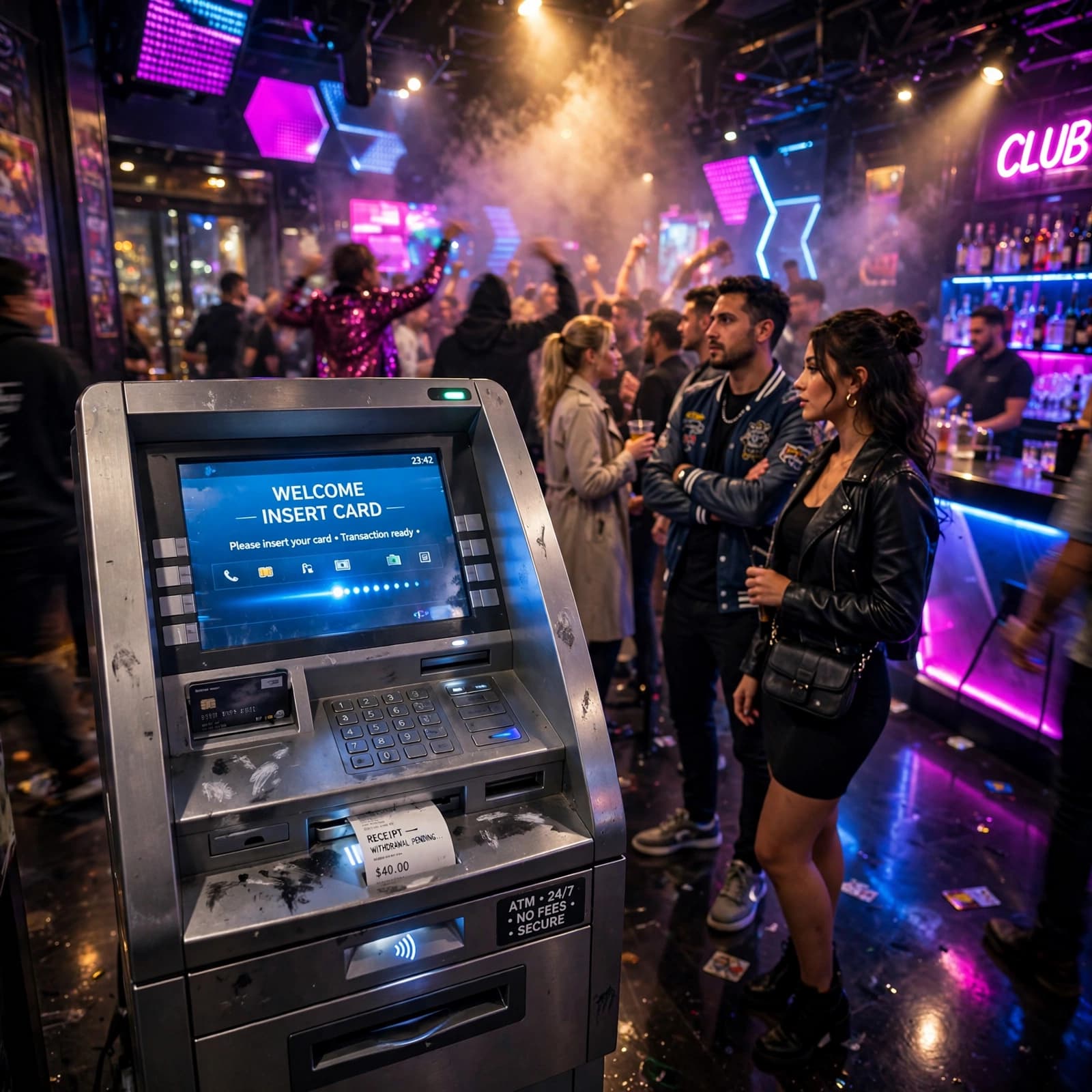
A nightclub may have strong ATM demand because customers need money for cover charges, drinks, tips, or rides home. A farmers market may also benefit from an on-site machine if many vendors accept cash and the nearest bank branch is several miles away. These examples show why location research should focus on customer habits, not traffic numbers alone.
Create a list of existing ATMs in your target area. Use online maps, banking apps, ATM directories, and in-person visits to identify competing machines. Record details such as:
- The number of ATMs near each potential location
- Posted transaction fees
- Machine condition and appearance
- Operating hours
- Customer access and visibility
- Distance from nearby banks or cash-back options
- Whether the ATM often appears out of service
Look for gaps in coverage. High-traffic businesses without an ATM may offer a stronger opportunity than locations with several nearby machines. Underserved neighborhoods, late-night businesses, tourist areas, and cash-heavy locations can be good places to begin your search.
Consumer habits also change during the year. Festivals, sports events, fairs, tourism seasons, and college activities can increase the need for cash. Speak with local business owners to learn how their customers pay and whether people frequently ask where they can find an ATM.
You also need to understand the rules that apply to your business. Research federal, state, and local requirements for ATM operations, accessibility, fee disclosures, security, PCI compliance, and business registration. Confirm current requirements with qualified providers because payment technology and security standards can change.
Thorough market research gives you better information before you spend money on equipment. It also helps you prepare a business plan based on observed demand, competition, transaction potential, and customer access.
3. Choose and Purchase Reliable ATM Machines
The reliability of each ATM machine affects customer satisfaction, downtime, operating costs, and location income. Begin by comparing established ATM suppliers with experience in equipment sales, installation, processing, and technical support. Review customer feedback, request references, and ask about warranty coverage before making a purchase.
Avoid choosing a machine based only on the lowest price. An inexpensive unit may have limited features, weak technical support, or replacement parts that are difficult to find. Repeated service problems can reduce transaction volume and create unnecessary expenses.
ATM machines come in several designs. A freestanding unit may work well in a convenience store, entertainment venue, or large retail location. A countertop machine may be a better fit for a small restaurant, salon, or office. Consider the available space, customer traffic, mounting requirements, and security of the site.
Pay attention to features such as:
- EMV compliance
- Contactless payment compatibility
- Wireless or wired network connectivity
- Screen size and visibility
- Keypad design and accessibility
- Safe construction and tamper protection
- Receipt printing
- Remote monitoring capabilities
- Availability of replacement parts
- Compatibility with your selected processor
Security should receive special attention. Look for equipment designed to reduce the risk of skimming, tampering, and unauthorized access. Ask how the supplier supports PCI compliance, protects cardholder data, handles software updates, and responds to security issues.
Compare multiple quotes before committing to a purchase. Request a complete breakdown that includes the machine, shipping, installation, software, processing setup, warranty, recurring credit card processing fees, and future service costs. If possible, ask for a demonstration so you can see how the ATM handles withdrawals, receipts, error messages, and maintenance access.
A dependable machine costs more than the initial purchase price. Consider how long it is likely to operate, how easy it is to service, and how quickly technical problems can be resolved. Reliable equipment gives you a stronger foundation for a profitable ATM business.
4. Secure Funding and Prepare Your Budget
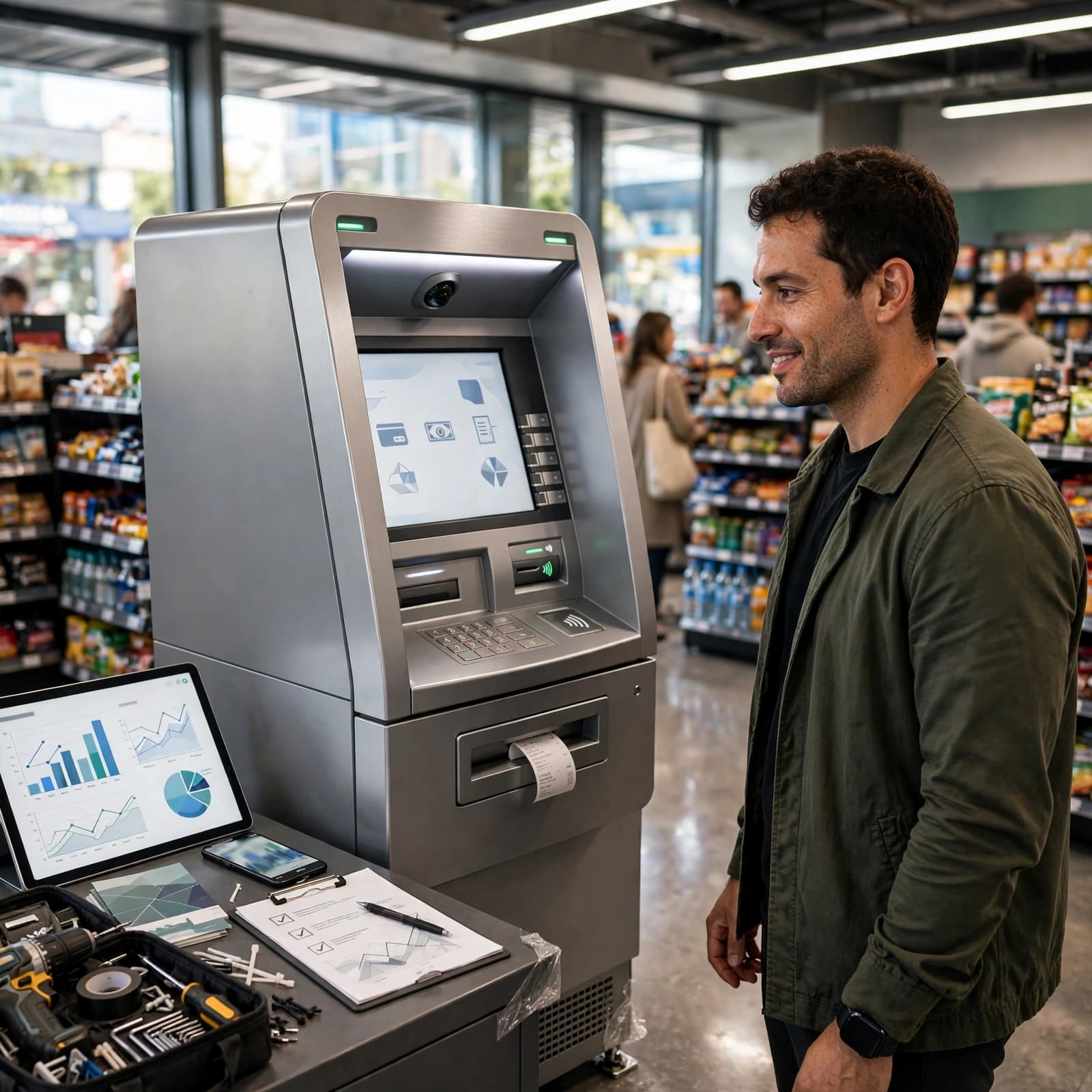
An ATM business has startup costs for equipment, installation, cash loading, registration, insurance, and other operating expenses. A single machine may cost between $2,000 and $8,000, depending on its design, features, brand, and installation requirements. You also need access to the cash the machine dispenses to customers.
Use a dedicated business checking account for equipment purchases, host payments, processing charges, and ATM revenue. Keeping business and personal funds separate makes bookkeeping and tax preparation easier.
Prepare a detailed budget before purchasing equipment. Include both one-time and recurring expenses, such as:
- ATM purchase or lease payments
- Shipping and installation
- Initial cash inventory
- Processing and network fees
- Credit card processing fees, verified with your processor and included when calculating net revenue
- Insurance
- Business registration
- Host location payments
- Cash replenishment
- Repairs and replacement parts
- Software and monitoring services
- Advertising and signage
How Do You Get Vault Cash for Cash Loading?
The operator must obtain vault cash through a banking relationship, a bank-approved line of credit, or a cash reserve arrangement. Establish the account or credit line first, maintain adequate reserves, schedule the cash, and document every withdrawal and replenishment.
During cash loading, you can replenish the machine yourself or hire an armored courier service. Your host agreement should identify who handles cash loading, security, and any shortages.
Many operators begin with personal savings and add outside financing when necessary. A small business loan from a bank or credit union may cover equipment and startup expenses. Equipment financing can divide the cost of a machine into monthly payments, while supplier financing or a lease-to-own plan may reduce the cash required at the beginning.
Alternative funding options include peer-to-peer lending and crowdfunding, although each option has different fees, terms, and approval requirements. Review the total repayment cost before accepting financing.
Your budget should also include a reserve for unexpected repairs and slow periods. A machine may need a replacement part, a technician visit, or an emergency cash refill. Having funds available helps you keep the ATM operating without disrupting service.
Remember that surcharge revenue is not the same as profit margin. Subtract host payments, processing, cash handling, repairs, insurance, and financing costs before estimating your actual earnings.
Regular maintenance can also protect your budget. Clean the screen, keypad, and card reader during routine visits. Check for signs of damage or tampering, and respond quickly when the machine displays an error. Proper care can reduce downtime and extend the useful life of your equipment.
A realistic financial plan helps you decide how many machines you can afford, which locations fit your budget, and how quickly you can expand. Compare your total machine and cash investment with expected transaction volume and net monthly earnings to estimate your return on investment.
5. Select Strategic ATM Locations
Your ATM placement directly affects visibility, transaction volume, and revenue. Position the machine near customer flow without obstructing normal business operations. Busy, visible areas typically outperform hidden, low-traffic corners.
Start with businesses that have steady customer activity, long operating hours, or limited access to nearby banks. Potential locations include:
- Convenience stores
- Gas stations
- Bars and nightclubs
- Restaurants
- Shopping centers
- Laundromats
- Hotels
- College-area businesses
- Sports facilities
- Tourist attractions
- Flea markets and farmers markets
- Apartment communities
Visit each location at different times to observe customer flow. A business that looks busy during the afternoon may have little activity at night. Another location may become more active after banks close. Late-night and 24-hour businesses can generate transactions when customers have fewer ways to access cash.
Visibility matters as much as traffic. Customers should be able to find the machine without asking an employee. Place the ATM near the entrance, checkout area, or another visible point that doesn’t interfere with normal business activity. The location should also have adequate lighting and protection from accidental damage.
After identifying a promising site, speak with the owner or manager. Explain how an ATM can improve customer convenience, increase time spent inside the business, and provide additional income through a revenue share.
Your proposal should cover:
- Where the machine will be placed
- Who supplies electricity and internet access
- Who handles cash loading, whether the operator, host, bank, or service provider manages replenishment
- How repairs and service calls are managed
- What percentage or fixed amount the host receives
- How long the agreement lasts
- What happens if either party wants to end the agreement
Put the terms in writing, including the agreed percentage or fixed amount. A signed placement agreement protects both sides and reduces confusion about daily responsibilities. It also creates a professional foundation for a long-term business relationship.
The right location can make a major difference in transaction volume. Continue reviewing performance after installation, and be willing to move an underperforming machine if the site doesn’t meet expectations.
6. Install and Maintain Your ATMs
Installation begins with a careful review of the host location. Choose a secure, visible area with enough room for customers to use the ATM comfortably. Confirm that the site has the required power, network connection, lighting, and wall or floor support.
Use a qualified technician for installation when possible. The technician can connect the unit, configure its communication system, secure it, and test each function. Before the ATM goes live, complete test transactions to confirm that it accepts cards, dispenses the correct amount of cash, prints receipts, and communicates properly with the processing network.
Maintenance keeps the ATM available for customers and protects your revenue. Let transaction volume determine your cash loading schedule, along with the vault cash responsibilities covered earlier. A busy ATM may require several cash visits each week, while a low-volume location may need less frequent service.
Remote monitoring software can provide alerts about cash levels, paper supplies, connectivity, and error messages. Use these updates to schedule service before a minor issue takes the ATM offline.
During regular visits, inspect the machine for:
- Physical damage
- Loose parts
- Signs of tampering
- Card reader problems
- Screen or keypad issues
- Receipt paper shortages
- Cash cassette concerns
- Error messages
Clean the external surfaces and remove dust from areas that customers touch. If the machine appears damaged or suspicious, take it out of service and contact your service provider.
Compliance is another part of ATM maintenance. Follow current federal, state, and local requirements for accessibility, fee disclosures, data security, PCI compliance, and software maintenance. Rely on current processor and vendor guidance, rather than treating compliance as a one-time installation task.
Accessible machines may include audio instructions, braille keypads, and appropriate height and clearance. Keep the software current and display clear fee information before the customer approves a transaction.
Include a support phone number or other contact method so users can report problems. Clear communication improves customer trust and helps you respond to service issues quickly.
A well-maintained ATM benefits everyone involved. Customers receive reliable access to cash, host businesses offer an added convenience, and you protect the transaction revenue that supports future growth.
7. Market the Business, Increase Revenue, and Expand
Marketing helps customers notice your ATM and shows business owners why hosting one can benefit their location. Start with strong visibility. Use clear signs, branded decals, and directional notices so customers can find the machine easily.
You can also offer promotions that encourage repeat use, such as temporary fee discounts or a customer loyalty program. Any promotion should be easy to understand and comply with applicable rules.
A simple website can list your ATM locations, describe your services, explain your security practices, and provide information for businesses that want to host a machine. Social media can build local awareness by announcing new placements, highlighting partnerships, and sharing service updates.
Local partnerships can support steady growth. Contact retailers, restaurants, event venues, hotels, and entertainment businesses with a proposal explaining the benefits of installing an ATM. You might offer a revenue share, a fixed monthly payment, or another arrangement that fits the location.
Track the performance of every machine. Review transaction volume, surcharge revenue, cash costs, service expenses, host payments, and credit card processing fees. Subtract these expenses from surcharge revenue when evaluating performance.
If a machine performs below expectations, investigate the reason before relocating it. Compare its net results and return on investment with the costs of equipment, cash, placement, and service. Poor visibility, limited operating hours, nearby competition, or low customer demand may affect results.
Additional services can create new revenue opportunities. Depending on the machine and location, you may offer mobile phone top-ups, bill payments, balance inquiries, or other approved services. Select features based on customer demand rather than adding services with little use.
As revenue grows, reinvest part of your earnings into additional machines and better locations. Multiple placements can form an efficient ATM route for cash servicing, repairs, and site visits. Approach regional retailers and event operators when you have enough experience to manage a larger network.
A well-managed network may become a relatively passive income stream after you establish systems, servicing schedules, and host relationships. It still requires regular monitoring, cash management, and prompt service.
Technology becomes more useful as your network expands. Remote monitoring can help you track cash levels, uptime, service needs, and transaction activity across multiple machines. Automated reports can help plan cash routes, schedule repairs, and identify locations that need attention.
Efficient management protects your time and investment. Keep accurate records and reconcile surcharge deposits, host payments, processing expenses, and cash purchases through a dedicated business checking account. Respond to service issues quickly and review each location regularly. These habits can increase transaction volume while maintaining a positive experience for customers and host businesses.
Frequently Asked Questions
How much does it cost to start an ATM business?
A single ATM may cost between $2,000 and $8,000, depending on its features, design, brand, and installation requirements. You should also budget for vault cash, processing, insurance, registration, maintenance, host payments, and unexpected repairs.
How does an ATM business make money?
The primary source of income is the surcharge customers pay when they use the machine. Your actual profit depends on transaction volume after subtracting processing fees, host payments, cash handling, maintenance, insurance, and financing costs.
What are the best locations for an ATM?
Strong locations typically have steady customer traffic, long operating hours, limited access to nearby banks, or customers who regularly use cash. Convenience stores, gas stations, bars, restaurants, laundromats, hotels, event venues, and cash-heavy businesses may offer good opportunities.
Do ATM owners have to load the cash themselves?
An operator can replenish the machine personally or hire an armored courier service. The placement agreement should clearly state who handles cash loading, security, shortages, and related service responsibilities.
Can an ATM business become passive income?
An ATM network can become a relatively passive income stream after you establish reliable systems, monitoring, servicing schedules, and host relationships. However, regular cash management, maintenance, performance reviews, and prompt service are still required.
Take the First Step Toward ATM Business Success
A successful ATM business begins with careful research and a realistic plan. Learn how revenue works, study demand in your area, compare reliable machines, and prepare a budget for startup and ongoing expenses. Use a business checking account to separate ATM revenue, cash purchases, host payments, and operating expenses from personal finances.
Installation, maintenance, marketing, and performance tracking all support long-term results. A well-placed machine can generate recurring fee income, but consistent attention helps keep operations profitable. Managing cash levels, equipment, customer service, and location performance creates a stronger foundation for expansion.
Start with one machine if it fits your budget. Use its performance data to improve your process, then add locations as your revenue and experience grow. With reliable equipment, strong business partnerships, and dependable service, an ATM network can become a practical source of supplemental income or a larger full-time business.