
Retailers face relentless pressure to operate faster, smarter, and with greater precision. The retail cloud POS system now stands at the center of this transformation. By connecting sales, inventory, and customer interactions through cloud technology, retailers can streamline operations across every location. Cloud POS platforms give businesses the tools to respond instantly to changing market demands.
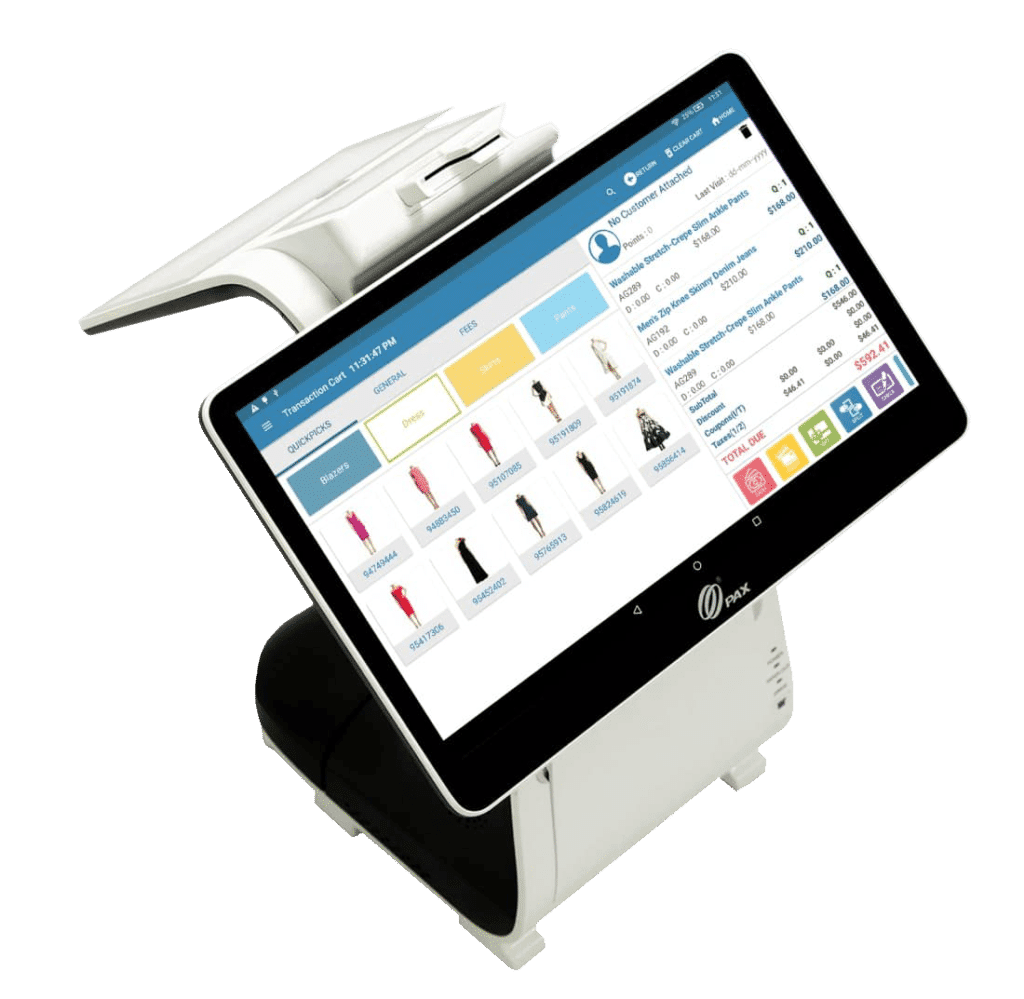
Efficiency drives success in today’s retail landscape. Cloud technology eliminates slow processes and costly delays. Retailers gain real-time visibility into transactions, inventory, and customer data. This transparency empowers teams to serve customers better and manage resources more effectively. Businesses that adopt cloud-based POS systems position themselves for sustained growth and agility. Explore how this technology unlocks new levels of efficiency and sets the stage for the future of retail.
Understanding Cloud POS Technology
A retail cloud POS system is a point-of-sale solution that operates through the internet, rather than relying on local servers or standalone terminals. This system consists of software hosted on remote servers, accessible from any device with a web connection. Core components include a user-friendly interface, secure cloud-based data storage, integrated payment processing, and real-time analytics. Unlike legacy systems that require on-site hardware and manual updates, cloud POS platforms offer centralized management and automatic upgrades.
Cloud technology brings several advantages over traditional POS systems. First, retailers can access sales, inventory management, and customer data from anywhere — whether in-store, at headquarters, or even while traveling. For example, a regional apparel chain can monitor sales performance across all locations without needing to be physically present. This connectivity also enables faster troubleshooting and support, as technical teams can resolve issues remotely without dispatching technicians to each site.
Traditional POS systems often limit scalability and integration. Upgrading or expanding requires significant investment in new hardware and lengthy downtime for installation. By contrast, cloud POS solutions allow retailers to add new registers, locations, or sales channels with minimal disruption. Integration with e-commerce platforms, accounting tools, and inventory management applications becomes seamless, enabling a unified view of business operations.
Retailers using cloud POS technology gain more than just convenience. They unlock the ability to respond quickly to market changes and customer demands. With features like automatic inventory updates and real-time transaction monitoring, businesses can stay agile and competitive. Adopting a retail cloud POS system transforms the point-of-sale from a simple transaction terminal into a strategic hub for growth and efficiency.
Real-Time Data Access
Cloud POS systems empower retailers with real-time data access, transforming how teams monitor sales, inventory, and customer behavior. Sales associates and managers can instantly view transactions as they happen across multiple locations. For example, a multi-store apparel retailer can track which items are trending in one location and quickly shift stock to meet demand in another. This eliminates delays caused by manual reporting and ensures that critical business information is always current.
Real-time reporting and analytics enable retailers to act fast on key insights. By analyzing live sales data, companies can identify which promotions drive the most traffic or spot underperforming products before they impact revenue. Marketing teams can adjust campaigns on the fly, while store managers can reallocate staff to high-traffic areas during peak periods. This agile response maximizes profitability and keeps operations running smoothly.
Improved access to up-to-the-minute data also enhances sales strategies. Retailers can use cloud POS analytics to segment customers by purchase history, then deploy targeted offers or loyalty rewards while those customers are still engaged in-store or online. For instance, a grocery chain can send personalized discounts to shoppers based on real-time basket contents, increasing average transaction values. Cloud POS systems make it possible to turn every customer interaction into an opportunity for growth.
By providing instant visibility into every aspect of store performance, cloud POS technology helps businesses make smarter decisions at every level. Leadership teams can compare location performance, track progress toward sales goals, and respond immediately to market changes. With real-time data access, retailers gain the agility needed to stay ahead in a competitive landscape.
Hello! Your message came through as “test.” How can I assist you today? If you want to proceed with the article about cloud POS systems in retail, just let me know.
Enhanced Customer Interactions
Cloud POS systems empower retailers to deliver highly personalized customer experiences by leveraging real-time data insights. These systems store and analyze customer purchase history, preferences, and behavior patterns across all sales channels. For example, a clothing retailer can use cloud POS data to recommend new arrivals based on a customer’s previous purchases or alert them to exclusive loyalty offers at checkout. This targeted approach increases customer satisfaction and encourages repeat business, setting the stage for long-term loyalty.
Seamless transactions are another core benefit of cloud POS technology. Staff can access up-to-date product information, check inventory availability, and process sales from any device connected to the system. This flexibility enables quicker service, especially during peak hours or special events. For instance, mobile POS devices allow employees to assist customers anywhere in the store, reducing wait times and boosting overall efficiency.
Cloud POS also simplifies returns and exchanges by consolidating transaction histories and customer profiles into a single accessible platform. Customers receive faster resolutions when issues arise, improving their perception of the brand. Integrated loyalty programs and digital receipts further streamline the checkout process and enhance convenience for shoppers.
By improving customer interactions, cloud POS solutions contribute to cost reduction as well. Efficient service minimizes the need for additional staffing during busy periods and reduces errors that lead to costly rectifications. Retailers achieve higher conversion rates and maximize each customer’s value, driving growth while keeping operational expenses in check.
Cost Reduction Strategies
Retailers can significantly lower operational costs by adopting a retail cloud POS system. Traditional point-of-sale systems require upfront investment in servers, specialized hardware, and on-premises software. These legacy systems also demand ongoing maintenance, security updates, and IT support, which add to the total cost of ownership. In contrast, cloud-based solutions operate on subscription models and use standard devices, such as tablets or smartphones, reducing initial and recurring expenses.
A retail cloud POS system eliminates the need for costly hardware upgrades. Retailers can run their POS applications on existing devices or easily source affordable replacements if necessary. Updates and patches deploy automatically from the cloud provider, minimizing downtime and IT intervention. For example, a mid-sized clothing retailer can avoid hiring additional IT staff by relying on cloud-based management and remote technical support, reallocating resources to customer-facing roles that enhance business efficiency.
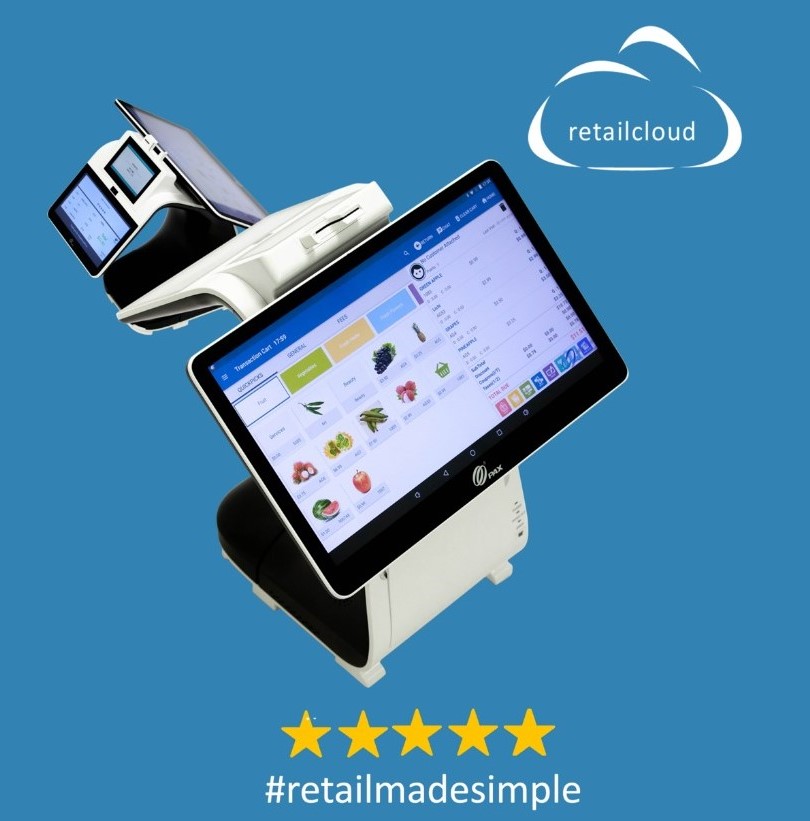
Maintenance costs also drop when retailers switch to cloud POS platforms. Cloud providers handle data storage, backup, and security, which reduces the risk of system failures and data loss. This centralized management ensures compliance with industry standards without incurring extra expenses. For instance, a specialty food shop can expand its operations to multiple locations without investing in separate servers or local networks for each site, streamlining costs as the business grows.
By reducing hardware dependencies and automating maintenance tasks, retail businesses unlock more capital for innovation and growth. Cloud POS solutions enable seamless integration with other digital tools — such as e-commerce platforms or inventory management apps — without complex infrastructure changes. These efficiencies drive down long-term costs while positioning retailers to adapt quickly to evolving market demands.
Scalability and Flexibility
Cloud-based point of sale solutions give retailers the power to scale operations without major disruptions. As businesses grow, they can add new locations, expand product lines, or increase transaction volume without replacing existing systems. For example, a regional clothing retailer can open additional stores and connect each one to the same cloud POS platform. This ensures consistent sales reporting and centralized management, even as the business grows rapidly.
Flexibility is another critical advantage of cloud POS systems. Retailers can customize features or integrate new functionalities as their needs change. When a store wants to launch curbside pickup or introduce mobile checkout, cloud POS platforms support these changes with minimal effort. This adaptability means businesses remain agile in responding to new consumer trends and operational challenges.
Integration with other retail technologies further strengthens efficiency. Cloud POS systems work well with e-commerce platforms, loyalty programs, and advanced inventory management tools. A specialty food store can link its point of sale solution with an online ordering system and a customer rewards app. This integration creates a seamless experience for both customers and staff, reducing manual processes and errors.
By leveraging scalable and flexible cloud POS solutions, retailers position themselves to capture growth opportunities and respond quickly to market shifts. These systems remove traditional barriers to expansion and enable smooth adoption of innovative retail technologies. As a result, businesses gain a competitive edge in a fast-changing industry.
Security Considerations
Retailers must prioritize data protection when implementing a retail cloud POS system. Cloud environments store sensitive information, such as customer payment details and inventory records, offsite on secure servers. Leading cloud POS providers use advanced encryption and multi-factor authentication to restrict access and prevent unauthorized data breaches. For example, some retailers deploy tokenization to mask credit card numbers during transactions, ensuring no critical data remains exposed in the event of a cyberattack.
Compliance with industry regulations is crucial for any retail innovation involving customer data. Retailers must adhere to standards such as PCI DSS for payment processing and GDPR for customer privacy. Cloud POS vendors often maintain compliance certifications and provide tools that help retailers enforce strict access controls and audit trails. This makes it easier for businesses to demonstrate regulatory adherence during inspections or audits.
Regular security updates and proactive monitoring further strengthen the defense against evolving threats. Cloud POS systems enable automated patch management, which reduces the risk of vulnerabilities caused by outdated software. Retailers can schedule regular security assessments and penetration tests to identify potential risks before they impact operations.
Retailers should also educate staff on safe data practices and establish clear protocols for responding to potential incidents. By combining robust technology safeguards with strong internal policies, businesses can protect their operations, foster customer trust, and drive successful adoption of retail cloud POS systems in an increasingly digital marketplace.
Case Studies: Success Stories in Retail Cloud POS Implementation
Retailers across various sectors have unlocked new levels of efficiency and growth by adopting cloud POS systems as part of their digital transformation strategies. For example, a leading specialty apparel chain replaced its legacy point-of-sale infrastructure with a cloud-based system. This shift enabled the company to access real-time sales and inventory data from every store, improving demand forecasting and reducing overstock situations. By integrating their POS with an e-commerce platform, the retailer provided a seamless omnichannel experience for customers, driving both online and in-store sales.
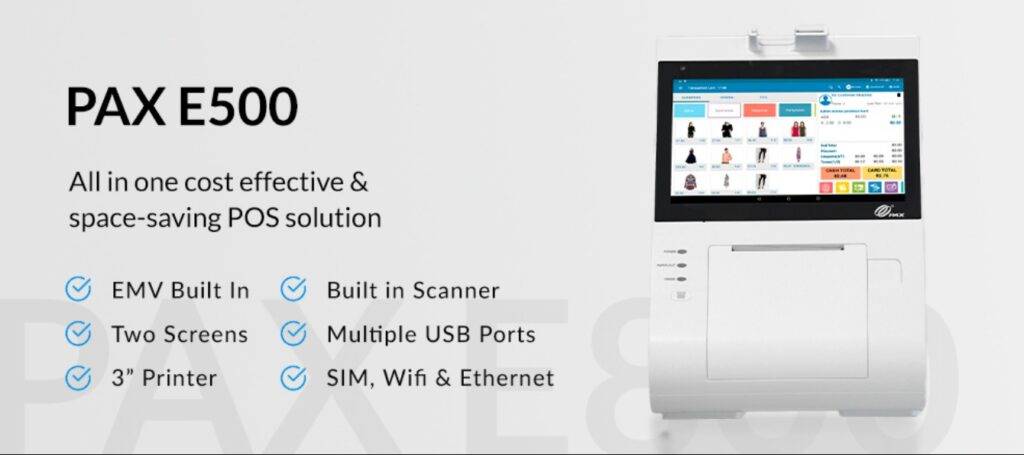
A national quick-service restaurant (QSR) group also embraced cloud POS technology to optimize operations across hundreds of locations. The new system allowed centralized menu updates and pricing changes, which managers could push instantly to all stores. This eliminated inconsistencies, reduced manual errors, and ensured compliance with promotional campaigns. The cloud platform’s analytics helped the business identify top-performing products and streamline supply orders, resulting in measurable cost savings and reduced food waste.
Specialty retailers in the electronics sector have leveraged cloud POS to enhance customer engagement. By capturing purchase history and preferences in the cloud, sales associates accessed customer profiles quickly, enabling tailored recommendations and personalized promotions. The streamlined checkout process improved transaction speed and customer satisfaction scores. Integration with loyalty programs further strengthened customer retention.
Successful implementations reveal best practices for retailers considering cloud POS adoption. Businesses must invest in staff training to maximize system benefits and ensure smooth transitions. They should also select platforms that integrate with existing retail technologies and scale with business growth. By prioritizing data security and compliance from the outset, retailers protect sensitive information while reaping the rewards of digital transformation through cloud POS solutions.