
Quick service restaurants operate in a highly competitive environment. Every guest expects speed, convenience, and consistent quality. A QSR restaurant point of sale system now does more than process transactions. It acts as the central hub for every customer interaction, from order placement to personalized offers and feedback collection. Modern POS solutions integrate seamlessly with loyalty programs, marketing campaigns, and operational tools. They provide the technology backbone that allows teams to deliver fast, tailored experiences at scale.

Customer loyalty drives repeat business and sustained growth in the QSR industry. Loyal guests return more often, spend more per visit, and become vocal advocates for your brand. By leveraging advanced POS features, restaurant operators can track guest preferences, reward frequent visits, and create targeted promotions. Building customer loyalty through smart use of POS technology not only increases revenue but also strengthens brand reputation in an ever-changing market. Explore how investing in the right QSR restaurant point of sale system unlocks new opportunities to engage guests and foster long-term loyalty.
The Role of Technology in Customer Engagement
QSR restaurant point of sale systems play a critical role in streamlining operations and enhancing service delivery. By automating order processing and payment, these systems reduce wait times and errors. Staff can focus on customer interactions rather than manual tasks. This efficiency leads to faster service, fewer mistakes, and higher customer satisfaction — key drivers for loyalty in the fast-paced QSR environment.
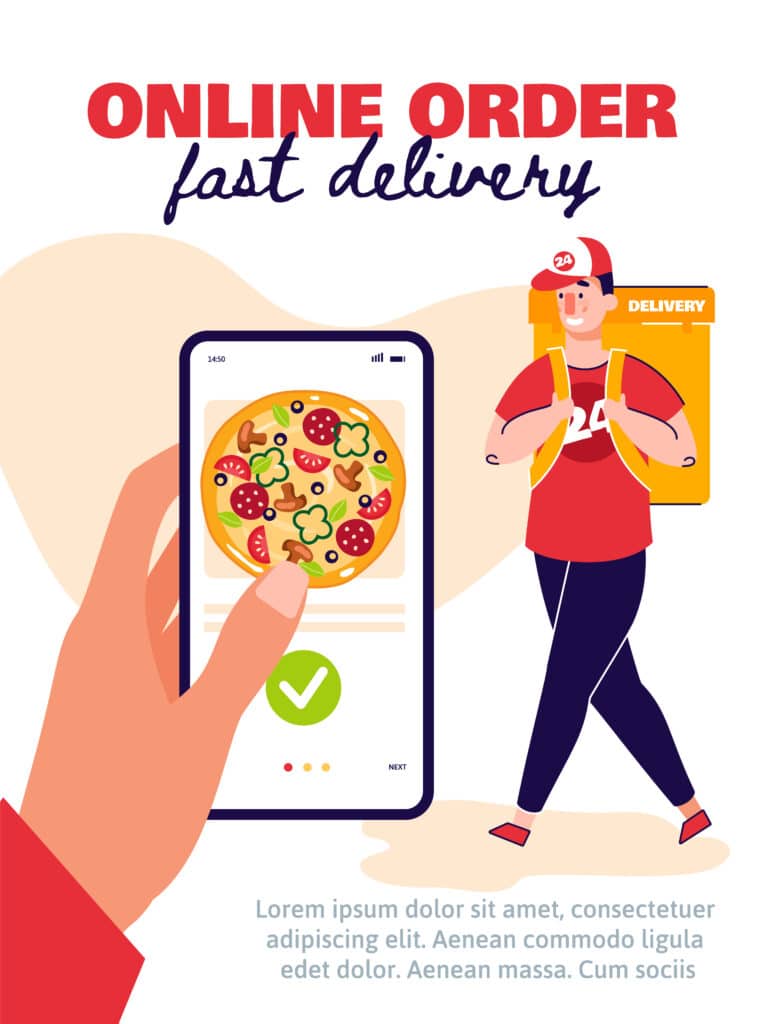
Integrating technology into every customer touchpoint creates seamless experiences. Modern POS systems connect with digital menus, self-service kiosks, mobile ordering apps, and even contactless payment solutions. For example, a customer can place an order through a mobile app, pay online, and pick up their meal in-store or curbside without delay. The system tracks preferences and order history, enabling staff to recognize repeat guests and offer tailored service. This integration removes friction from the customer journey and sets the stage for long-term engagement.
Technology also empowers restaurants to implement innovative customer engagement strategies. Many QSRs now use their POS data to launch personalized marketing campaigns, such as sending targeted promotions based on previous orders or visit frequency. For instance, a coffee chain might prompt users with a digital coupon for their favorite drink during a midweek slump. Another QSR could invite loyal customers to exclusive menu previews or events through automated SMS alerts. These tech-driven initiatives not only increase visit frequency but also create meaningful connections between the brand and its customers.
Personalized Marketing Strategies
Quick service restaurant (QSR) POS systems collect valuable customer data at every transaction. Restaurants can use this information to segment customers and launch targeted promotions. For example, a QSR can identify frequent lunch buyers and send them exclusive midday deals. By tailoring offers based on purchase history, restaurants drive higher redemption rates and build stronger customer connections.
Crafting personalized messaging further boosts engagement. Modern POS systems enable restaurants to send emails, SMS messages, or app notifications triggered by specific behaviors. For instance, a guest who regularly orders vegetarian options might receive alerts about new plant-based menu items. Personalized birthday rewards, “we miss you” incentives, and location-based specials encourage guests to visit more often. Each interaction feels relevant, which increases customer loyalty and lifetime value.
Several QSR chains have achieved notable success with personalized marketing. A major sandwich franchise implemented a rewards program that tracked individual purchase patterns through its POS system. Using this data, the brand sent tailored offers — such as double points on favorite menu items — to its most loyal customers. As a result, repeat visits increased by over 20% within six months. Another regional burger chain launched an app-based loyalty program that rewarded guests for trying new products. The POS system powered real-time messaging and tracked participation, leading to a surge in both engagement and sales.
Restaurants that embrace personalized marketing strategies through advanced POS technology see measurable gains in customer retention. By leveraging data-driven insights and crafting targeted messaging, QSR operators turn everyday transactions into meaningful relationships. These efforts lay the foundation for long-term loyalty and sustainable growth.
Hello! It looks like you’re testing the system. I’m ready to help you write your article on “Unlocking Customer Loyalty with QSR Restaurant POS Systems” or assist with any other request. Just let me know how you’d like to proceed!
Data-Driven Insights for Better Decisions
Modern QSR restaurant POS systems collect a wealth of transactional data with every customer interaction. By analyzing this sales data, operators can identify clear trends in customer preferences. For example, POS reports can reveal which menu items drive the most repeat purchases or uncover periods of peak demand for specific products. This visibility allows restaurants to tailor their offerings, ensuring that popular choices remain in focus while underperforming items get reevaluated or replaced.
Leveraging these insights, restaurants can optimize both their menus and pricing strategies. If data shows that plant-based options are gaining traction during lunch hours, operators can introduce new vegan dishes or run targeted promotions to capitalize on the trend. Dynamic pricing becomes possible by monitoring demand fluctuations — such as offering bundle discounts during slower times to boost traffic and sales. These adjustments not only satisfy customer tastes but also enhance profitability.
Data-driven marketing further elevates customer engagement. With POS-generated insights, restaurants can design more effective campaigns — like sending personalized offers to customers who regularly order certain menu items. For instance, if a guest frequently orders iced coffee, the system can trigger a loyalty reward or exclusive discount on related beverages. This targeted approach increases the likelihood of repeat visits and builds stronger relationships with guests.
Successful QSRs use data not just to react to current trends but to anticipate future opportunities. By tracking purchasing patterns over time, operators gain the foresight to plan seasonal promotions or menu innovations that resonate with evolving customer expectations. These informed decisions position the restaurant as responsive and customer-centric, driving loyalty and sustained growth in a competitive market.
Enhancing Customer Experience with Feedback
Collecting customer feedback through the QSR restaurant point of sale is essential for building a customer-centric culture. Direct input from guests reveals what works and what needs improvement. By capturing feedback at the point of transaction — whether through digital receipts, touchscreen surveys, or follow-up emails — restaurants gain immediate insights into the dining experience. This approach allows for quick identification of pain points and creates opportunities to resolve issues before they impact loyalty.
Implementing effective feedback loops strengthens retention strategies. Restaurants can automate feedback requests triggered by POS transactions, making it easy for customers to share their thoughts while the experience is fresh. Managers should review this data daily and respond to concerns in real time. For example, prompt outreach to dissatisfied guests demonstrates commitment to service and often turns negative experiences into positive ones. Regularly sharing feedback results with staff also ensures everyone stays aligned on delivering excellent customer experiences.
Many successful QSRs leverage POS-driven feedback to drive operational improvements. One regional burger chain implemented a simple post-purchase survey at checkout kiosks, asking customers to rate their visit and suggest menu additions. Within two months, the chain identified a high demand for plant-based options and adjusted their menu accordingly. The swift response not only increased sales but also boosted repeat visits among health-conscious customers, proving the value of actionable feedback in refining both product offerings and service quality.
Continuous engagement with customers through feedback builds trust and fosters loyalty. When guests see their suggestions influence menu choices or service protocols, they feel valued and heard. Integrating robust feedback mechanisms into QSR restaurant point of sale systems enables brands to stay agile, address concerns proactively, and keep satisfaction levels high — all critical components of long-term retention strategies.
Building Community Through Engagement
Fostering a sense of community is essential for driving customer loyalty in the quick-service restaurant (QSR) industry. QSR brands can use point of sale (POS) systems to identify loyal customers and invite them to join exclusive events, participate in special promotions, or engage in brand-driven initiatives. By recognizing repeat guests and rewarding their involvement, restaurants can create an environment where customers feel valued and connected to the brand. For example, organizing local charity drives or community days, promoted through POS-enabled customer databases, encourages both participation and goodwill.
Social media offers powerful opportunities to amplify these in-store experiences. QSR operators can integrate their POS data with digital marketing platforms to launch targeted campaigns that highlight community events, limited-time offers, or customer stories. Encouraging guests to share their experiences online — using branded hashtags or participating in photo contests — extends engagement beyond the restaurant walls. These digital touchpoints strengthen relationships and help build a loyal following, as customers see themselves reflected in the brand’s story.
Real-world examples show how these strategies drive results. Chick-fil-A has built a devoted community by hosting family nights, supporting local schools, and spotlighting customer milestones on social media. Shake Shack leverages its POS system to invite loyal customers to preview new menu items and provide feedback during exclusive tastings. These initiatives not only reward regulars but also generate organic word-of-mouth marketing that attracts new guests.
By combining technology-driven insights with authentic engagement strategies, QSR restaurants can transform occasional visitors into brand advocates. Investing in both digital channels and memorable in-store experiences positions restaurants at the center of their communities. This holistic approach fosters lasting loyalty and sets the stage for sustainable growth.
Overcoming Challenges in Implementation
QSR operators often encounter several challenges when adopting a new QSR restaurant point of sale system. Integrating new restaurant technology can disrupt daily operations, create confusion among team members, and cause delays during peak hours. Legacy systems may not transfer data seamlessly, leading to inventory mismatches or loss of historical customer information. Additionally, staff resistance to change can hinder the effective use of new tools, especially if employees are accustomed to existing workflows.
A smooth transition to a modern POS solution requires careful planning and open communication. Start by mapping out implementation timelines that minimize operational disruptions, such as scheduling installations during off-peak hours or slow business days. Collaborate with the POS provider to ensure seamless migration of essential data, including sales history, loyalty program information, and inventory records. Assign a project leader to coordinate between the technology vendor and internal teams, ensuring every step receives proper attention.
Staff training stands at the core of successful implementation. Invest in comprehensive, hands-on training sessions that address both the technical features of the new POS and their practical applications in everyday operations. Encourage employees to ask questions and provide real-world scenarios for practice, such as processing split payments or handling online orders. Recognize early adopters within the team and empower them to mentor others, fostering an environment where learning is continuous.
Securing staff buy-in extends beyond initial training. Communicate the long-term benefits of advanced restaurant technology, such as faster service, fewer errors, and improved customer satisfaction. Share early wins — like reduced wait times or positive guest feedback — to reinforce the value of the new system. By actively involving team members in the transition process, QSRs can build confidence in the new POS platform and set the stage for ongoing success.
Future Trends in QSR POS Systems
POS systems are rapidly evolving, driven by emerging technologies that reshape QSR operations. Artificial intelligence and machine learning now enable real-time analysis of customer behavior and preferences. Advanced POS solutions can suggest upsell items based on purchase history or time of day, creating a personalized experience for each guest. Mobile ordering and contactless payments have also become standard, reducing wait times and increasing order accuracy. For example, some QSR brands deploy AI-powered kiosks that recognize returning customers and recommend menu items tailored to their tastes.

Customer loyalty trends in the restaurant industry point toward deeper personalization and convenience. Guests expect seamless, omnichannel experiences — whether they order in-store, online, or through an app. POS systems that integrate with mobile loyalty apps, digital wallets, and third-party delivery platforms meet these expectations. Predictive analytics further empower restaurants to anticipate trends and proactively offer promotions that resonate with their core audience. For instance, leveraging data to launch limited-time offers during slow periods can drive traffic and encourage repeat visits.
Staying ahead of the curve requires QSR operators to embrace flexible, scalable POS systems. Cloud-based platforms support rapid updates and integration with new technologies, ensuring restaurants remain agile as customer expectations shift. Investing in employee training helps teams maximize system capabilities and deliver exceptional service. Operators should regularly review system analytics to identify emerging preferences and respond quickly with targeted campaigns or menu adjustments. By prioritizing innovation, QSR brands can build lasting customer relationships and maintain a competitive edge in a fast-changing market.
Driving Customer Loyalty Through QSR Restaurant Point of Sale Systems
QSR restaurant point of sale systems play a critical role in building and sustaining customer loyalty. These systems streamline operations, personalize marketing efforts, and enable rewards programs that keep guests coming back. By collecting valuable data and feedback, restaurant teams can quickly adapt to customer preferences and improve the dining experience.
To remain competitive, restaurants must leverage the full potential of modern POS technology. Adopting advanced QSR restaurant point of sale solutions strengthens relationships with customers, fosters community engagement, and drives repeat business. As technology continues to evolve, embracing innovation will set brands apart and secure long-term loyalty in the fast-paced QSR sector.