
We turn a familiar machine into a personal revenue stream. A DIY ATM is a simple business unit you own, place, and manage. It converts foot traffic into fee income with each withdrawal. It works in bars, salons, event venues, and cash-preferred neighborhoods. We show where to find atm machines for purchase, how to evaluate models, and how to set up ATM operations that run reliably.
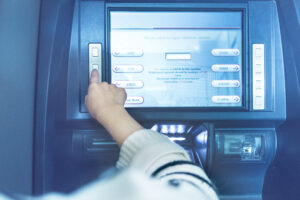
Financial independence demands new cashflow, not more hours. An ATM adds a low-labor, high-visibility asset to your portfolio. It diversifies income, hedges against slow days, and scales one location at a time. We outline the steps, the rules, and the tools. Follow this playbook to launch fast, stay compliant, and build a durable stream of passive revenue.
1. Understanding the DIY ATM Concept
A DIY ATM is a privately owned cash machine placed in a high-traffic location. We place the machine, load it with cash, and earn a fee on each withdrawal. The merchant gains more cash-paying customers and lower card processing costs. The customer gains convenient access to cash.
Owning an ATM delivers clear benefits. We control placement, pricing, and service standards. We set the surcharge to match local demand and competition. We capture transaction fees and interchange revenue while the processor handles network authorizations. We keep operations lean with modern hardware and remote monitoring.
ATMs generate passive income through per-transaction surcharges and interchange. A barbershop, a laundromat, or a college deli can average 200 to 400 withdrawals per month. At a $3.25 surcharge, one machine can produce steady monthly cash flow. We can increase volume by placing units near cash-intensive businesses, weekend events, or seasonal venues.
We recommend a simple path to start. Identify a promising location. Review atm machines for purchase and compare total costs. Buy ATM machine models that support EMV, ADA compliance, and remote alerts. Use a reputable processor. Set a competitive surcharge. Refill on a schedule. Track uptime and cash levels. This approach turns a single machine into a reliable, low-maintenance income stream.
2. Researching and Sourcing Your ATM
Start with vetted ATM suppliers. Prioritize manufacturer-authorized distributors, national processors with equipment programs, and members of industry associations. Use references from convenience store chains, credit unions, and franchise groups that deploy at scale. Issue a simple RFP that asks for pricing, lead times, installation support, processing terms, EMV/PCI compliance, and SLA metrics. Compare how each vendor handles parts availability, help desk coverage, and software updates over five years.
Evaluate new vs. used machines by lifecycle and support. New units bring full warranties, current compliance, and longer software runway. Refurbished units can work in low-volume sites when certified, rekeyed, and updated to the latest firmware. Ask for the refurb scope in writing: new EPP, new locks, replaced dispensers, and certified cassettes. Verify that the model is still supported by the manufacturer and that parts do not sunset within three years.
Focus on features that drive uptime and revenue. Choose machines with ADA compliance, EMV and contactless readers, high-capacity cassettes, and UL-291 business-hour or Level 1 safes based on risk. Require remote monitoring, 4G/5G modems with dual SIM, and battery backup to protect against brief outages. For a college campus, select a unit with media-ready toppers and NFC to serve mobile-first users. For a rural gas station, prioritize rugged components, heater kits, and extra cassettes to reduce refill frequency.
Validate the total cost of ownership, not just sticker price. Add processing fees, vault cash costs, installation, signage, wireless plans, software licenses, and annual maintenance. Negotiate bundled pricing for multiple placements, swap stock, and guaranteed response times. Lock in a warranty that covers dispenser failures and EPP replacements, and include preventive maintenance visits. Secure delivery timelines in the contract to avoid lost revenue from delayed deployments.
4. Legal and Regulatory Requirements
Secure the right permits and licenses before installation. Register your business and obtain an EIN. Confirm local business license requirements and zoning rules for your target site. Some cities require permits for wall or kiosk mounting, exterior signage, and electrical work. Align with a compliant processor and sponsoring bank to access EFT networks. Execute an ATM owner agreement that covers surcharge disclosures, settlement, and dispute handling.
Follow federal and state rules that govern ATM operations. Comply with the Electronic Fund Transfer Act and Regulation E by presenting clear on-screen fee disclosures and error-resolution notices. Meet ADA standards for reach height, tactile/Braille instructions, and voice guidance. Keep your machine EMV-capable and maintain PCI PIN Security standards. In certain states and municipalities, follow site-safety rules such as lighting minimums, camera placement, and visibility guidelines.
Define compliance roles in your contracts to avoid gaps. In the location agreement, assign responsibility for ADA access, lighting, and camera upkeep, and require prompt notice of construction changes that may impact compliance. Include right-to-inspect clauses and service-level expectations for downtime that could affect consumer disclosures. Use ATM negotiation tips to secure indemnification from the location owner for hazards on their premises and to cap your exposure on non-operator violations.
Build a simple, auditable compliance program. Keep copies of permits, bank sponsorship letters, processor agreements, and network certifications. Train staff on surcharge disclosure procedures, receipt requirements, and incident response. Run periodic ADA and signage checks, log firmware and software updates, and document key management per PCI guidance. Proactive compliance prevents fines, chargebacks, and civil claims — and protects placement relationships that drive long-term revenue.
5. Setting Up Your ATM
Start with a site survey and a clear installation plan. Confirm ADA access, floor strength, and camera coverage. Mark the anchor points, drill into concrete, and bolt the safe with rated hardware. Connect power and network, load receipt paper, and set encryption keys. Run test withdrawals and balance the cassette counts. Enable remote monitoring before you go live to protect uptime and passive income.
Choose locations that convert traffic into transactions. Target cash-reliant venues like bars, nail salons, laundromats, and convenience stores near transit stops. Place the unit within the natural customer path, not hidden by counters or displays. Negotiate a simple revenue share per withdrawal or a flat placement fee. Put access rights, exclusivity, signage, power, and hours into the agreement. Offer co-branded signage and monthly performance reports to win premium spots.
Secure reliable connectivity and power from day one. Use a dedicated 120V outlet with a surge protector and a small UPS to ride out brief outages. Prefer hardwired Ethernet with a protected VLAN; add LTE failover for resilience in busy or older buildings. Validate signal strength if you deploy cellular and lock down the router with strong credentials and firewall rules. Label cables, protect ports with tamper shields, and document the network settings for fast service.
Close with a safety and readiness checklist. Install bright lighting and, where allowed, add a visible camera to deter fraud. Set key control, limit cash exposure with a two-person load or time-delay protocol, and schedule weekly cleanings to reduce jams. Post required surcharge and compliance notices. Use machines with remote alerts, EMV readers, and encrypted PIN pads when reviewing atm machines for purchase. A disciplined setup turns a single placement into dependable passive income.
6. Cash Management and Operations
Load cash with a clear, controlled process. Use dual control or a bonded courier to reduce risk. Pre-stage cassettes offsite, count notes with a validator, and seal cassettes with tamper-evident tags. Rotate cassettes to balance wear, and follow the manufacturer’s note-orientation guidelines to reduce jams. For example, a café location with lunch spikes can schedule a Monday and Thursday load, sized from last month’s hourly withdrawal data, to cut emergency visits.
Monitor transactions in real time. Use your processor’s portal to set low-cash, error, door-open, and communication alerts. Flag anomalies such as rapid-fire small withdrawals, unusual BIN patterns, or repeated EMV fallbacks; escalate those signals to service or to a fraud review. Reconcile daily: match host totals, surcharge income, vault cash on hand, and bank settlements. Keep an audit trail to satisfy banking regulations and to support insurance claims.
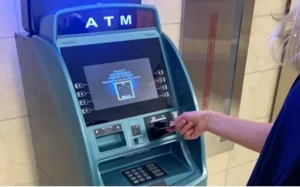
Maintain the machine on a preventive schedule. Clean the note path and card reader monthly with approved kits. Replace receipt paper before zero, not after. Update firmware and security patches on a set cadence, especially for EMV and contactless kernels. Stock a field kit with a spare printer, reject bin, card reader bezel, and screws. Track uptime as a KPI; target 98%+. A location that drops below target for two weeks deserves a root-cause review.
Handle issues with a documented runbook. Define steps for cash jams, dispenser errors, and comms failures, including who resets, who replaces parts, and who communicates with the site owner. Change safe combinations after staff changes and after any service by third parties. Inspect for skimmers and cash-trapping devices at every visit and log photos of fascia condition. Align service-level agreements with couriers and technicians so response times match transaction volume and surcharge revenue.
7. Marketing Your ATM
Drive foot traffic with clear, consistent visibility. Install bright door clings, window decals, and sidewalk arrows that guide customers from the entrance to the machine. Add an LED topper or wrap to make the ATM stand out at a distance. List the location on Google Maps, Apple Maps, and Waze with accurate hours and photos, so “ATM near me” searches surface your machine. Launch with a limited-time reduced surcharge or a “First withdrawal free” voucher from the host business to spark trial and word-of-mouth.
Leverage social media and hyperlocal ads to reach nearby customers at the right moment. Claim a Google Business Profile for each ATM and post weekly updates with short videos showing quick withdrawals and safety features. Run geofenced ads on Facebook and Instagram within a one-mile radius with a simple call to action: “Cash available here — 24/7.” Use Nextdoor and local community pages to announce placement, special events, and parking details. Place QR codes on posters and receipts that open map directions to the exact machine.
Partner with local businesses for mutual lift. Negotiate cross-promotion: the ATM topper features the merchant’s weekly special, and their receipts promote “Cash Inside.” Offer tiered revenue shares or surcharge offsets tied to agreed promotions, like placing the ATM near the point of sale or featuring it on the menu board. Extend partnerships beyond retail — sign venues, barbershops, laundromats, food halls, and event organizers. Provide monthly performance snapshots to partners to reinforce value and secure premium placement.
Measure and optimize relentlessly. Track withdrawals by hour and day, then adjust signage, lighting, and in-store placement to raise conversion. Schedule seasonal pushes around festivals, college move-ins, and paydays when cash demand spikes. Build a simple landing page listing all locations and FAQs, and capture inquiries from property owners who want placement or even investors searching for atm machines for purchase. Consistent branding and proactive local outreach accelerate volume and move you closer to financial independence.
8. Scaling Your ATM Business
Identify expansion opportunities with data. Track transactions by hour, day, and location type. Move on sites with sustained withdrawal volume, card dips without dispenses, or nearby businesses that went cash-only. Target gyms, laundromats, bar districts, food truck parks, tribal casinos, and seasonal venues like fairs and college events. Use heat maps and ZIP code cash-demand indexes to rank prospects before you deploy the next machine.
Diversify revenue with multiple machines and varied placements. Pair a high-volume weekend bar with a steady weekday site like a logistics hub or payroll-heavy corridor. Add a mobile event ATM for festivals and sports tournaments. Test different surcharge tiers by location, offer balance inquiries, and add branded toppers or digital toppers that sell ad space to location owners and nearby merchants.
Build operations that scale cleanly. Standardize install kits, signage, and vault cash levels by location type. Use remote monitoring to set cash thresholds, forecast loads, and trigger service tickets. Negotiate bulk processing and communications rates, and use multi-carrier cellular routers for redundancy. As routes grow, shift to armored cash services, rotate cassettes, and run a weekly route plan that cuts drive time and shrink.
Strengthen your network to accelerate ATM ownership. Join ATM industry associations and regional meetups. Participate in operator forums and vetted WhatsApp or Discord groups to share vendor reviews, firmware updates, fraud alerts, and surcharge benchmarks. Form buying co-ops for better pricing on machines, parts, paper, and insurance. Partner with complementary operators to swap underperforming sites, co-bid on national accounts, and back each other with emergency cash or parts.
Power Up Your Business with Secure, Affordable,
and Efficient Payment Solutions
Take the Next Step to Financial Freedom
Build your own ATM with a clear plan. Understand the model and how fees create income. Source reliable atm machines for purchase. Negotiate pricing, confirm warranties, and calculate total ownership cost. Secure permits and follow local regulations. Install the machine in a high-traffic location with stable power and connectivity. Load cash safely, monitor performance, and maintain uptime. Promote the location, partner with nearby businesses, and expand into new sites as demand grows.
Act now to create a durable cash-flow asset. ATM ownership scales well, diversifies revenue, and strengthens community access to cash. We support entrepreneurs who move from one machine to a profitable route. Choose your first location, secure a compliant machine, and deploy with discipline. Build momentum, reinvest in additional units, and unlock financial freedom through a focused ATM business.
Working with United Banc Card of TN
If you find yourself wanting to conquer your restaurant, retail shop, look no further than United Banc Card of TN. With their innovative solutions and trusted POS System services, they will guide you towards financial success. Whether you are a small business owner or an individual looking to manage your finances better, United Banc Card of TN has the tools and expertise to help. Call us today @615-476-0255