
Restaurants now run on data as much as on flavor. Restaurant technology has moved beyond stand-alone point of sale systems to connected platforms that link ordering, kitchen production, inventory, labor, and delivery. Cloud tools sync menus across channels. AI forecasts demand by hour. Digital wallets, kiosks, and QR menus raise check speed and accuracy. The winners integrate computer systems for restaurants that turn every transaction into insight and every workflow into a repeatable process.
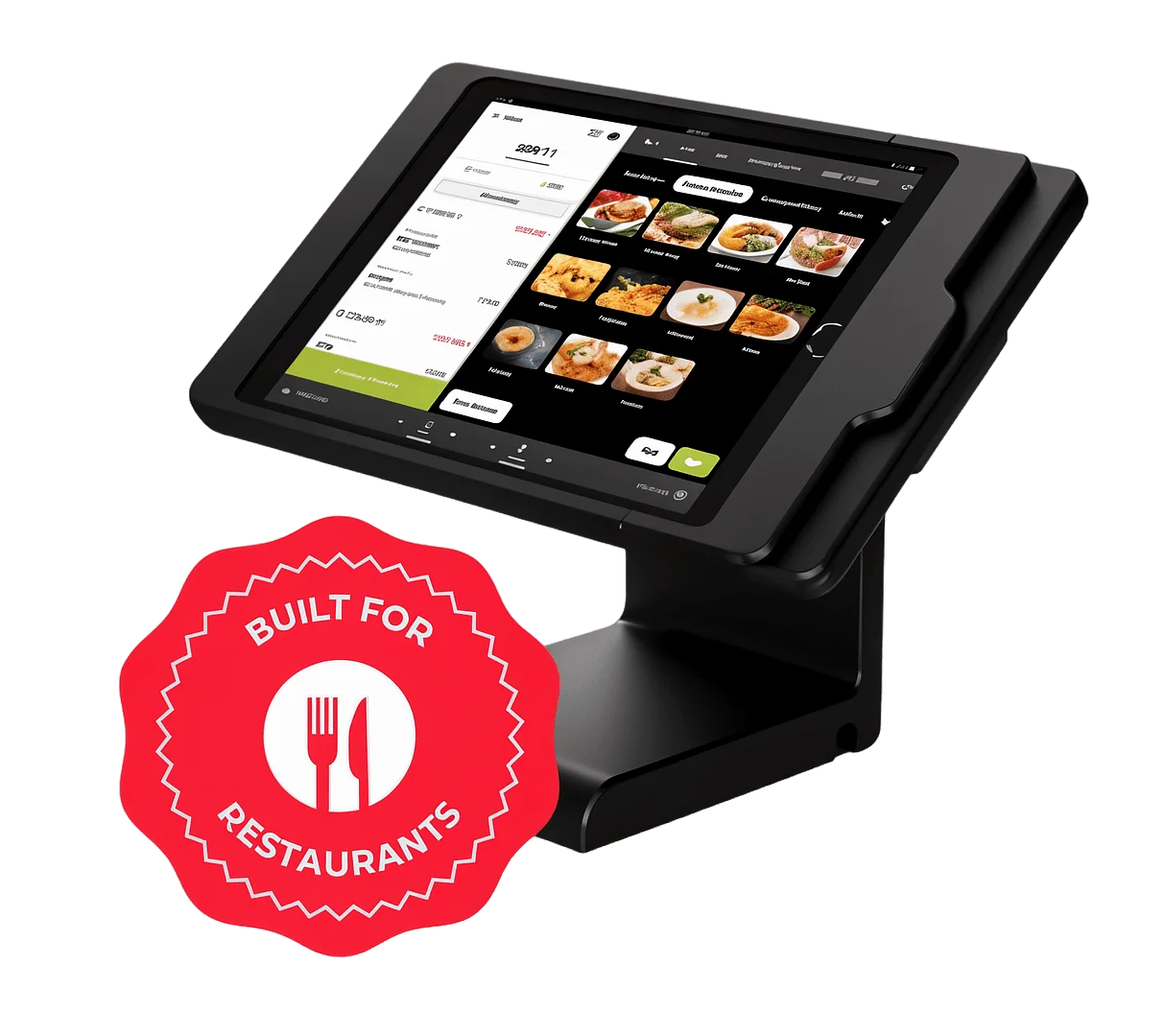
Adopt smart computer systems to raise throughput, protect margins, and improve guest loyalty. Tie the point of sale systems to kitchen displays, inventory controls, and staffing tools. Automate prep lists and purchasing to cut waste. Use real-time dashboards to spot bottlenecks before they slow service. Standardize data to keep third-party delivery, in-house ordering, and loyalty programs aligned. Secure customer information and meet compliance while you scale.
This article maps the shift, shows what to prioritize, and explains how to implement with minimal disruption. See which features drive the most value, how to train teams fast, and where top operators find ROI. Continue reading to turn technology into a daily advantage on the floor and in the books.
The Advantages of Smart Computer Systems
Smart computer systems for restaurants drive accuracy from the kitchen to the table. Digital order management captures modifiers, allergy notes, and cook times without ambiguity. Servers send precise tickets. Kitchens receive clear, sequenced instructions. A busy pizza concept that moved from handwritten slips to a connected POS and kitchen display cut comped meals by 38% and eliminated duplicate fires during peak hours. Fewer errors protect margins and improve the customer experience.
Efficiency rises when systems remove manual steps and bottlenecks. Tableside ordering routes items to stations in real time and starts timers for prep. Drive-thru screens prioritize high-impact items. Hosts receive automatic alerts when a table pays. One fast-casual brand cut average ticket time from 9 minutes to 6 by syncing POS, kitchen displays, and expo screens. Faster service turns more tables, reduces lines, and boosts guest satisfaction.
Real-time data analytics turns daily activity into action. Dashboards show item-level performance by hour, waste by station, and fulfillment times by channel. Managers adjust staffing based on live throughput, not guesswork. Chefs use heat maps to streamline menus and promote high-margin items. When storms hit, operators trigger delivery bundles and shift labor to off-premise prep. Decisions happen on facts, not hunches.
Integration amplifies results across the operation. Inventory tools pull exact depletion from each order. Loyalty platforms tailor offers to buying patterns, lifting repeat visits without discount waste. Marketing teams launch targeted campaigns when analytics flag dips in weekday lunch traffic. By linking order management, analytics, and guest engagement, computer systems for restaurants raise productivity and elevate the customer experience end to end.
Key Features to Look For
We design interfaces that cut onboarding time and reduce errors. Choose systems with clear layouts, large buttons, and color-coded workflows for kitchen and floor staff. A server should start taking tables after one hour of staff training, not one week. Use guided prompts, smart defaults, and role-based screens so hosts, servers, bartenders, and managers see only what they need. Add mobile access for managers to approve comps, voids, and table moves from the floor to keep service efficiency high.
We build platforms that integrate cleanly with the tools you already use. Demand native connectors to your POS, kitchen display systems, accounting software, payroll, reservation platforms, and delivery marketplaces. Use open APIs to pull menu items, prices, and modifiers across channels without duplicate entry. Sync online orders to the kitchen in real time, route them to the right station, and push finalized sales to your general ledger each night. Tie labor scheduling to sales forecasts so you staff the line correctly for lunch spikes and reduce overtime.
We provide reporting that turns transactions into action. Use dashboards that track item-level sales, profit per plate, and prep-time outliers by station. Monitor inventory in real time with auto-decrementing recipes and flag variance when actual counts drift from theoretical. Identify dead stock, set par levels, and trigger purchase orders before you run out. Review voids, comps, and discounts by user to tighten controls and protect margin.
We enable menu and operations decisions with clear insights. Run A/B tests on new dishes by location and shift. Compare ticket times for dine-in vs. delivery to target bottlenecks. Use heat maps to spot peak hours and adjust pacing rules. Export reports to your BI tool or share weekly snapshots with kitchen leads to drive continuous improvement. When the system shows what sells, what wastes, and what slows the line, you improve service efficiency and focus staff training where it matters most.
Integrating Computer Systems into Your Workflow
Start with a phased, low-risk rollout. Map current processes, identify bottlenecks, and set clear handoffs between front of house and back of house. Pilot the system on one station or one shift, then extend to additional roles. Run a short parallel period where the old and new systems operate side by side. Set a cutover date, migrate data, and lock in standard operating procedures. This step-by-step workflow integration limits downtime and protects guest service.
Equip teams to adapt quickly with role-based training. Build short modules for hosts, servers, bartenders, and line cooks that focus on their daily tasks. Use “rush simulations” with dummy tickets to practice order flow, voids, modifiers, and refunds. Appoint shift “super users” to coach peers and resolve issues on the floor. Reinforce with checklists at pre-shift, and measure proficiency with quick skills audits so managers can target retraining.
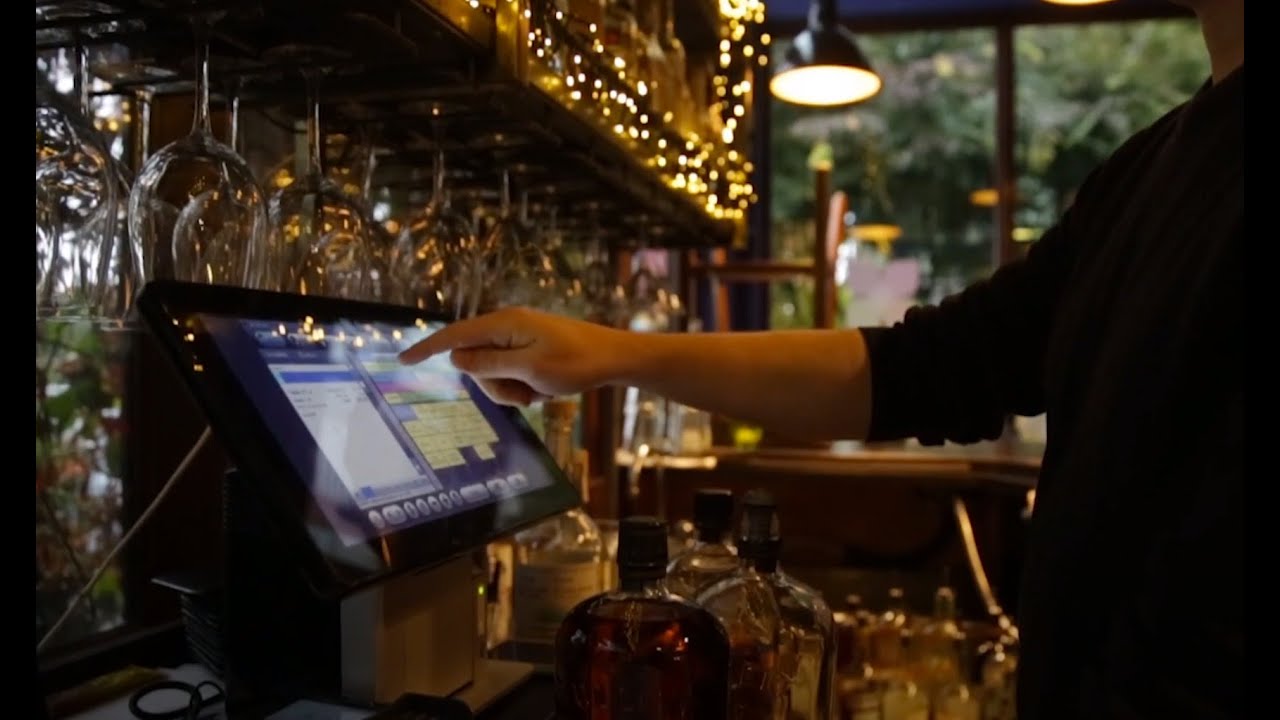
Secure ongoing support before go-live. Define SLAs, support hours, and escalation paths with the provider. Schedule quarterly updates, and test new features in a sandbox before production. Enable real-time monitoring for device health, printer status, and network uptime. Keep regular check-ins with the vendor to review release notes, close open tickets, and align on the roadmap. Maintain automated backups and a rollback plan to protect data and keep service uninterrupted.
Track results to tie technology to business outcomes and operational costs. Monitor order-to-fire times, table turns, voids, and comp rates. Watch labor hours by role during peak periods and adjust staffing rules in the system. Use reporting to reduce paper tickets, limit redundant data entry, and cut training time for new hires. For example, a 70-seat bistro that piloted kitchen display systems on weekday lunches cut ticket times by 18% and reduced overtime by 12% within six weeks of full deployment.
Cost Considerations and Budgeting
Treat the investment in computer systems for restaurants as a total cost of ownership decision. Price the core restaurant software, hardware (terminals, tablets, kitchen displays, receipt printers), payment devices, and networking. Include onboarding, data migration, and staff training. Budget for support, updates, and integrations with accounting, delivery marketplaces, and loyalty tools. We map these costs against quantifiable gains: fewer order errors, faster table turns, tighter inventory control, higher average checks, and reduced admin time.
We recommend a simple ROI model. Assume a 20% reduction in order voids and comps, a 10–15% cut in back-office hours through automated reporting, and a 2–4% drop in food cost variance from real-time inventory. Add a 5–10% increase in add-on sales from smart prompts at the POS. A 60-seat bistro that adds one extra turn on two weeknights and trims weekly waste by $300 can recover an $18,000 rollout in 6–9 months. One quick-service group used kitchen displays and prep timers to cut ticket times by 90 seconds, which lifted throughput by 8% and paid for the system in one summer.
Finance the rollout to match cash flow. Choose subscription-based restaurant software to shift spend from CapEx to OpEx. Lease hardware over 24–36 months to preserve cash. Phase implementation by location or function to spread costs and reduce risk. Use vendor credits on payment processing to offset fees. In the U.S., apply Section 179 to expense eligible hardware in the first year. We structure packages that bundle support and replacements, which stabilizes monthly spend.
Control costs after go-live. Standardize menus and modifiers to limit complexity. Set inventory automation to high-movement SKUs first to get quick wins. Audit third-party integrations and remove unused connectors. Track KPIs weekly — labor cost, food variance, voids, average check, table turns — to verify gains. When the data shows consistent savings, extend features like advanced forecasting or AI-driven scheduling. This discipline ensures the investment in computer systems for restaurants delivers sustained returns.
Case Studies: Success Stories
A 12-unit fast-casual brand replaced paper tickets with an integrated POS, kitchen display system, and handhelds for line ordering. Managers standardized menu builds and pushed real-time modifiers to the KDS. The team cut average ticket time by 28% in four weeks and lifted order accuracy from 93% to 99.2%. Table turns improved by 15% during peak hours, and refunds due to misfires dropped by 41%. With automated prep lists tied to sales forecasts, the brand reduced same-day waste by 22% and recovered its investment in seven months.
An independent bistro modernized its bar and dining room with a unified POS, inventory module, and dynamic pricing for specials. Servers used guided upsell prompts based on guest history and item availability. The bistro increased average check value by 11% and reduced 86’ing of popular items by 60% through tighter inventory controls. Food cost improved by 1.8 percentage points as managers acted on variance alerts, while training time for new hires fell by 50% due to a simpler, visual interface.
A hotel restaurant group integrated its reservation platform, kitchen systems, and loyalty program with a central data hub. Hosts saw live table status, the kitchen saw allergy flags at fire time, and marketing triggered targeted offers after visits. Guest satisfaction scores rose by 16 points, repeat visits increased by 19%, and online ratings climbed from 4.1 to 4.5 stars over two quarters. Chargebacks dropped by 40% after enabling secure, tokenized payments across channels and adding digital receipts.
These teams shared consistent practices. They documented workflows before configuring software and removed unused modifiers and legacy buttons that slowed service. They piloted in one location, set clear success metrics, and scheduled daily stand-ups during week one. Owners assigned a system champion at each site and paired that role with vendor-led refresher training every quarter. They monitored dashboards daily, enforced data hygiene, and reviewed exception reports weekly. This cadence sustained gains, kept staff engaged, and converted technology into durable operational discipline.
Common Challenges and How to Overcome Them
We address resistance to change by giving teams ownership. Appoint shift champions in each location. Run a two-week pilot on low-risk shifts. Capture quick wins, like faster table turns or fewer comps. Share the numbers in daily huddles to build momentum. We also map old tasks to new workflows with side-by-side job aids. Managers coach on the floor during go-live. We reward early adopters who hit accuracy or speed targets.
We prevent integration issues with a staged rollout. Build a sandbox that mirrors live menus, modifiers, taxes, and printer routes. Test every ticket path, refund type, and split check. We schedule a “shadow mode” weekend where staff uses the new system alongside the old. We prepare failover: offline mode enabled, cached menus, and a printed QR of emergency SOPs at each station. We keep spare terminals, labeled cables, and a network checklist on site. Vendor support stands by with defined SLAs and a named escalation contact.
We harden data security from day one. Enforce role-based access and multi-factor authentication for managers. Segment the POS network from guest Wi‑Fi. Encrypt data in transit and at rest. Rotate admin credentials and disable shared logins. We align with PCI DSS, run quarterly vulnerability scans, and log all access changes. Staff learns a simple playbook for phishing, lost devices, and suspicious transactions. We run a 30-minute tabletop drill each quarter so teams practice the steps.
We sustain performance with clear ownership. One ops lead owns updates, patch schedules, and device inventory. A weekly report tracks ticket times, voids, comps, and uptime. We alert managers when KPIs drift. We meet vendors monthly to review release notes and request features. With disciplined processes, computer systems for restaurants stay reliable, secure, and easy to use — during rush hours and beyond.
The Future of Restaurant Technology
Edge AI and connected kitchens will reshape daily operations. Smart sensors will monitor cook times, temperatures, and food safety. Computer vision will flag plate errors before food leaves the pass. Cobots will handle repetitive prep and fry-station tasks while chefs focus on flavor and plating. Energy management systems will cut utility costs by throttling equipment in real time.
AI will drive dynamic, data-led decisions across the floor. Machine learning will forecast demand by daypart, event, and weather. Systems will auto-assign staff, set par levels, and adjust menus to reduce waste. Personalized offers will trigger at the right moment across delivery apps, kiosks, and loyalty channels. Voice ordering, multilingual chat, and AR menus will make service faster and more inclusive.
New platforms will connect front and back of house with suppliers and devices. Digital twins of restaurants will test layout changes, menu pricing, and throughput before implementation. Smart scales and waste analytics will identify loss by item and station. Blockchain-backed traceability will certify sourcing claims. Predictive maintenance will schedule service before ovens, fridges, or POS terminals fail.

Over the next decade, restaurants will run as adaptive systems. Menus will update based on margin and availability. Prices will flex within clear guardrails. Guest profiles will travel across dine-in, takeout, and delivery for consistent experiences. Data privacy will become a core brand promise, with clear consent and transparent use. Operators who standardize data, integrate systems, and automate low-value tasks will gain speed, reduce costs, and win loyalty at scale.