
Choosing the right ATM machine shapes revenue, service, and brand. We treat each atm machine for sale as a strategic asset. The right model attracts foot traffic, keeps cash flowing, and reduces operational friction. We match machines to site volume, compliance needs, and uptime targets to protect margins and customer trust.
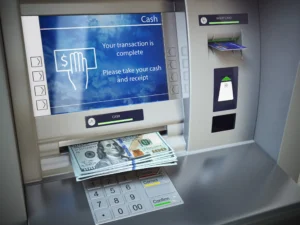
ATM features drive business efficiency. Fast transaction speeds cut lines and increase transactions per hour. Strong security prevents fraud and downtime. Intuitive screens reduce errors and staff interventions. Smart monitoring and support lower service calls and extend hardware life. In the following sections, we highlight the five must-have ATM features that lift performance, protect profits, and scale with growth.
Transaction Speed
Fast transactions keep lines short and customers satisfied. We target sub-20-second cash withdrawals from card tap to cash dispense. We cut steps, preload screens, and trim network hops. We also optimize the user interface to reduce taps and confirmations. Faster workflows move more customers per hour and lift cardholder usage at your location.
Not all ATMs run at the same pace. Entry models often use slower CPUs, basic cash dispensers, and older modems. High-throughput units add multi-core processors, high-speed note dispensers, and 4G/LTE or fiber connectivity. Contactless readers and QR withdrawals shave seconds off each session versus magstripe. Cash recyclers process deposits and withdrawals faster by verifying and reusing notes, which reduces cycle time and cash handling.
Speed depends on the full stack, not just hardware. We tune firmware, receipt printing, and encryption handshakes so security features do not slow the flow. We cache menus, preauthorize amounts when possible, and use parallel tasks for note counting and receipt prep. A responsive user interface guides the customer with fewer screens and clear prompts, which cuts errors and retries.
Performance pays off. A convenience store that upgrades from a basic unit to a performance model can cut average transaction time from 40 seconds to 18 seconds. That reduction can serve twice as many customers during peak periods and raise surcharge revenue. Faster service reduces abandonment, increases repeat visits, and strengthens loyalty. When you review any atm machine for sale, request timed demos and throughput benchmarks under live network conditions, and make transaction speed a top selection criterion.
Security Features
Protect every transaction and the cash box with layered, tamper-proof design. Specify reinforced safes (UL-291 or better), locking cash cassettes, and tamper sensors that trigger alerts and disable the unit when breached. Use secure boot and signed firmware to block unauthorized code. These controls cut fraud exposure, reduce downtime, and lower maintenance costs tied to emergency service calls and damaged hardware.
Encrypt data from card dip to processor. Deploy PCI PTS–certified keypads, point-to-point encryption, and AES-256 with TR-31 key management to secure PINs and card data. Activate remote key loading to avoid onsite key handling. Add whitelisting to prevent rogue applications. These measures close common attack paths and protect brand reputation when incidents occur elsewhere in the market.
Stop card compromise at the slot. Choose ATMs with active anti-skimming kits that sense overlays, jam read heads, and randomize motor “jitter” to distort illegal reads. Fit deep-insert protection shrouds and anti-camera PIN shields. Promote contactless and mobile wallet withdrawals to remove the card reader from the transaction altogether. Pair these features with machine learning–based velocity rules to flag unusual usage patterns before fraud scales.
Integrate physical security into site operations. Mount high-resolution CCTV with privacy masking, tie cameras to the ATM’s event log, and sync alerts to the store’s VMS for real-time response. Add GPS modules, seismic and tilt sensors, and ink-stain systems in high-risk locations. Visible security deters attacks, helps law enforcement recover losses, and strengthens customer trust — driving repeat usage while controlling long-term maintenance costs and safeguarding brand reputation.
Maintenance and Support
Reliable vendor support keeps ATMs online and customers moving. Select partners that staff a 24/7 help desk, publish clear SLAs, and dispatch certified technicians within defined response windows. Verify field coverage by ZIP code, not just by region. Require real-time monitoring, remote diagnostics, and automated alerts so teams resolve issues before downtime occurs. This level of reliability protects revenue, improves customer satisfaction, and sustains compliance standards across locations.
Assess maintenance plans for both speed and scope. Prioritize packages that combine preventive maintenance, firmware and software updates, cleaning and calibration, and cash-handling tune-ups. Ask for MTTR and uptime commitments, parts availability guarantees, and a documented escalation path. Strong plans also include first-line maintenance training for store staff, allowing quick fixes for simple jams or screen reboots without waiting for a technician.
Warranties and service agreements should remove uncertainty. Demand multi-year warranties that cover core components, card readers, encryption modules, and dispensers, with no-cost replacement for known defects. Lock in lifecycle services: end-of-life notices, upgrade paths for security modules, and swap programs to avoid extended outages. Align agreements with PCI and EMV compliance standards, ensuring timely patches and key rotations are included, tested, and documented.
Strengthen the ownership model with clear governance. Use a single dashboard to track tickets, uptime, and SLA performance across all sites. Schedule quarterly reviews with the vendor to audit maintenance logs, verify patch levels, and confirm regulatory compliance. Standardize spares kits on-site for high-traffic stores, and implement a loaner or quick-swap option for critical placements. These actions create a predictable service rhythm, reduce total cost of ownership, and deliver the operational reliability customers expect.
Transaction Fees and Revenue Opportunities
Set a clear fee strategy before installing an ATM. Most markets support a surcharge of $2.50–$4.00 per withdrawal. Urban convenience locations often sustain the upper end; campuses or hospitality sites convert better at $2.50–$3.00. In addition to the surcharge, plan for interchange revenue from issuers and any network incentives. Map the full unit economics: surcharge + interchange − processing fees − cash handling. Use this model when evaluating any atm machine for sale.
Build revenue beyond the withdrawal fee. Share surcharges with host locations to secure prime placement and higher traffic. Add premium pricing for high-cost denominations or after-hours access if the venue supports it. Negotiate participation in surcharge-free networks when they drive enough incremental volume to offset the lower per-transaction margin. Tie screen real estate to paid placements from on-site merchants to amplify yield per visit.
Price influences customer behavior at the door. Post the fee visibly on the welcome screen and cabinet to reduce abandonment. Test fee levels by daypart or event. For example, a highway c-store can hold at $3.50 during peak travel, while a campus bookstore can lift total withdrawals by dropping to $2.75 during the first two weeks of the semester. Track approval rates, reversals, and average withdrawal amounts to identify the optimal fee that maximizes gross profit per day, not just per transaction.
Use data to refine placement and purchasing decisions. Calculate breakeven volume for each unit under realistic fee assumptions. If a location averages 300 withdrawals per month, a $3.00 surcharge with standard interchange typically supports hardware, processing, and cash logistics with a healthy margin. If volume falls short, shift the ATM, adjust the fee, or select a lower-cost model. This approach turns fees into a strategic lever and informs which atm machine for sale delivers the strongest return.
Customization Options
Brand the ATM as an extension of the storefront. Use a full-vinyl wrap, a bezel logo, and a branded welcome screen to reinforce visibility at the point of cash access. Place the unit where foot traffic sees the brand first, then the cash option. Align colors, tone of voice, and iconography with your in-store signage. This consistency drives recall and positions the ATM as part of your service, not a generic machine.
Customize the experience for your customers. Offer multi-language menus based on local demographics and let users set language on the first tap. Add large-font options, audio guidance via headphone jack, and high-contrast themes for accessibility. Configure fast-cash buttons to reflect common withdrawal amounts in your area. These small changes cut keystrokes, speed lines, and reduce abandonment.
Use the screen as a marketing surface. Run time-of-day promotions on idle screens and receipt screens — coffee offers in the morning, lunch combos at noon, event tickets on weekends. Trigger upsell messages by transaction type — show a discount code after a balance inquiry or a loyalty sign-up prompt after a withdrawal. Add QR receipts to drive app installs and capture consented traffic. Integrate near-field tags on the fascia to launch mobile offers without slowing the transaction.
Build a modular content plan and manage it centrally. Select an ATM platform that supports remote updates, playlist scheduling, and A/B testing for messages. Sync ATM campaigns with your POS promotions and loyalty program so rewards and messaging match. Track impressions, tap-throughs, and redemption rates. Use these metrics to refine language sets, button layouts, and creative. This closed loop turns customization into measurable brand lift and higher repeat visits.
Make a Smart ATM Investment
Choose an ATM that delivers speed, security, and ease of use. Prioritize fast transaction processing, advanced encryption, and anti-skimming protection. Require intuitive screens, accessibility features, and strong physical security. Secure responsive maintenance, clear warranties, and dependable vendor support. Plan for transaction fee revenue and transparent pricing. Use branding, language options, and on-screen marketing to build loyalty. These features drive customer satisfaction, uptime, and profit.
Match these capabilities to your location, traffic, and service goals. Set clear performance targets, compare vendors, and request service SLAs in writing. Standardize checklists before you buy. Act on data from pilot installs. When you evaluate options for an atm machine for sale with this framework, you cut risk and increase returns. Invest with discipline and build a reliable, revenue-generating ATM program.
Working with United Banc Card of TN
If you find yourself wanting to conquer your restaurant, retail shop, look no further than United Banc Card of TN. With their innovative solutions and trusted POS System services, they will guide you towards financial success. Whether you are a small business owner or an individual looking to manage your finances better, United Banc Card of TN has the tools and expertise to help. Call us today @615-476-0255