
Thinking about an ATM for your location? Start with the full picture, not just the sticker price. A new retail unit often runs $2,000–$3,500, but the true ATM machine cost to launch includes install, connectivity, vault cash, processing, maintenance, and security. Plan for delivery and setup, a modem or Ethernet connection, a starter cash load, and basic insurance. In most cases, the cost to start ATM business operations lands in a wider range — often $5,000–$15,000 — once you add site prep, accessories, and working cash.
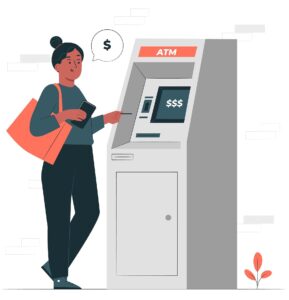
Set clear expectations on what you pay once versus what you pay to keep it running. One-time costs include the machine, installation, activation, and site prep. Ongoing costs include network and data fees, processor charges, paper and parts, service plans, insurance, and periodic compliance updates. When you separate these buckets, you can model foot traffic, set a competitive surcharge, and forecast ROI and payback with confidence. In the sections that follow, we break down how much ATM machine cost really means across seven essential line items — so you invest the right amount, at the right time, for dependable returns.
ATM Machine Purchase Price
New retail ATMs typically cost $2,000–$3,500. That price covers standard features suitable for convenience stores, bars, salons, and gas stations. Lobby or bank‑grade units run higher because of heavier cabinets, larger cassettes, and advanced security. When planning how much ATM machine cost fits your location, separate the purchase price from ATM installation cost and connectivity so you can compare total ownership across models.
Refurbished units can reduce upfront ATM startup costs by 20–40%. Only buy units that meet EMV and PCI requirements, include current software, and carry a parts-and-labor warranty. Ask the seller to confirm the dispenser model, key load status, and last compliance update in writing. For example, a refurbished Hyosung or Genmega with a 6‑month warranty can be a smart first placement, while a discontinued model without EMV support will create upgrade costs later.
Add-ons influence both usability and ROI. Touch screens, larger cassettes, lighted toppers, and branded wraps typically add $100–$600 to the upfront cost, but they can lift transaction volume by improving visibility and reducing “cash out” downtime. A 2,000‑note cassette upgrade, for instance, reduces reload trips at busy convenience stores and helps maintain surcharge revenue on weekends.
Match features to expected traffic and withdrawal patterns. A small salon might start with a base model at $2,200 and a simple topper, while a high‑volume college deli may justify a $3,300 unit with a larger dispenser and reinforced cabinet. Price the package against projected surcharge income and processing fees to estimate payback. This avoids underbuying hardware that limits transactions or overbuying features your site will not use.
2. Installation and Site Preparation
Plan for professional installation and activation in the $200–$600 range. Pricing depends on access, distance from the door, and required configuration. A ground-floor convenience store with clear access usually sits at the low end. A second-floor bar with tight turns, long runs, or limited parking moves toward the high end.
Prepare the site before delivery to reduce time on the clock. Bolt or anchor the cabinet to concrete or a steel plate to deter theft and meet landlord requirements. Confirm ADA placement: clear floor space, reach ranges, and approach path. Run conduit for power and data to the final location. Prepping these items keeps the vendor efficient and helps avoid return trips.
Expect surcharges when conditions add risk or labor. Stairs, narrow hallways, or elevators can trigger a delivery premium. After-hours or overnight installs, common in bars or salons, add service fees for staffing. Remote locations may require a destination charge. Ask for these line items upfront and schedule a window that avoids overtime.
Coordinate installation with your electrician and internet setup to prevent delays. Provide a dedicated outlet and surge protection near the machine. Label the data line and test it before the installer arrives. This planning shortens activation and speeds your first transactions. It also keeps installation costs separate from ongoing items like ATM maintenance fees and ATM processing fees, which hit after go-live.
4. Vault Cash and Cash Loading
Plan for $2,000–$10,000+ in starting vault cash. Match the float to expected traffic, withdrawal size, and refill frequency. A salon with modest weekday traffic may operate on $2,500 and reload weekly. A busy bar or gas station may need $6,000–$12,000 to cover weekend spikes and cardholder preferences for $60–$100 withdrawals. Maintain a 20–30% buffer to handle holidays, events, and bank closure days. Cash availability drives surcharge revenue, so prevent empty-outs that cut into earnings.
Choose a loading model that fits operations. Self-loading gives control, faster turns, and fewer per-transaction fees, but it ties up capital and time. Use dual control, secure transport, and a set cash-log process. Armored cash services reduce handling risk and labor but add fees and scheduling constraints. Negotiate per-visit or per-thousand rates and confirm cutoff times. Note that ATM ownership vs leasing does not change vault cash needs; leasing a machine does not include the cash float.
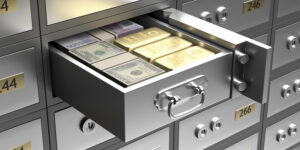
Forecast cash cycles and set a refill cadence that balances risk and cost. Track daily withdrawals, average ticket size, and day-of-week patterns. A convenience store might run two smaller midweek refills to avoid a costly Friday bank run. Reconcile dispenser counts to processor reports to catch errors fast. Coordinate settlement timing with your bank so cash redeploys quickly. Add a surge plan for events, such as doubling cassettes before a festival and scaling back after.
Use an ATM ROI calculator to size the float and test scenarios. Model how a higher starting bankroll reduces trips and lost transactions, and how armored fees affect net per-withdrawal margins. Include bank withdrawal fees, travel time, and insurance in the analysis. Monitor turns-per-dollar to redeploy excess cash to higher-performing locations and shorten payback.
5. Processing, Network, and Transaction Fees
Processors charge a per-transaction fee, typically $0.05–$0.25, and pass through network costs. These fees reduce surcharge income, so select a processor with transparent pricing and no hidden add-ons. Confirm whether the program includes network switch fees, dispute handling, and settlement. Ask for an all-in effective rate per transaction to compare offers on equal terms.
Surcharge income offsets these costs and drives ROI. In most retail settings, a $2.50–$4.00 surcharge works. A store averaging 300 withdrawals a month at a $3.00 surcharge generates $900 gross. After $0.20 in processing and network fees per withdrawal, net surcharge income is about $840 before other operating costs. Adjust the surcharge by location type and competitor pricing to maximize volume without depressing demand.
Watch for contract traps. Some processors set monthly minimums that trigger penalties in slower months, plus statement or gateway fees that add $5–$25 to your bill. Others bundle “monitoring” or “regulatory” line items that overlap with ATM compliance costs already covered elsewhere. Negotiate to remove or cap these charges. Tie any early termination fee to actual EMV upgrade cost recovery rather than a flat, punitive amount.
Match connectivity to your fee model. A dedicated cellular modem may cost $150–$300 upfront and $10–$25 monthly, but it can cut downtime that erodes surcharge revenue. Factor these recurring costs, along with processing, into your payback math when estimating how much ATM machine cost impacts profitability. Use monthly statements to track effective cost per transaction and renegotiate when volumes climb or fees creep.
6. Maintenance, Supplies, and Repairs
Plan routine maintenance to prevent outages and protect surcharge revenue. Stock receipt paper and buy by the case to keep costs in the $20–$40 range. Keep spare rolls on-site and track usage by location traffic. Replace wear items such as cassettes and rollers on a schedule, not only when they fail. A quarterly cleaning of the card reader and dispenser path reduces jams and chargebacks.
Protect the machine’s uptime with a service plan. Extended warranties or service agreements run $100–$300 per year and cover common failures and on-site labor. Confirm response times and parts coverage before signing. In a busy convenience store, a same-day swap on a failing card reader can prevent dozens of lost transactions. We recommend aligning the service window with store hours if after-hours traffic is a revenue driver.
Budget for out-of-warranty parts. Card readers, keypad overlays, and dispenser parts typically cost $100–$600 each. Keep a small parts reserve for high-traffic sites to shorten downtime. Track error codes and paper usage in your processor portal to spot issues early. One recurring “receipt printer low” alert often signals a failing sensor or roller that a $150 part can resolve before a full printer replacement becomes necessary.
Define responsibilities in the ATM placement agreement to avoid surprises. Specify who pays for paper, parts, and emergency calls, and who authorizes repairs over a set threshold. Coordinate service visits with cash cycles to cut trips, especially where ATM vault cash requirements drive frequent loads. This combined run reduces labor, improves uptime, and tightens your maintenance cost per transaction.
7. Security, Compliance, and Insurance
Treat security and compliance as core line items, not extras. Budget for EMV and PCI updates, encryption keys, and periodic key injections. Processors and networks may require annual compliance attestations and charge administrative or ATM network fees if you miss timelines. Expect one-time or recurring costs for software licenses and key loads, especially when you change processors or replace a card reader. Build these items into how much ATM machine cost factors into your total ownership model.
Harden the cabinet and the site. Install high-security locks, reinforced anchoring, and anti-skimming bezels. Add a visible camera and motion-activated lighting that captures the user and the area around the cash door. Enclosures or steel shrouds reduce prying and ram-raid attempts and usually run $100–$500+. In a strip center with overnight traffic, add a tilt sensor and a tamper alarm tied to the DVR. These steps deter theft and reduce downtime after an incident.
Close the gaps in your policies as well. Limit keys and combinations to named staff. Log every open/close event and cash load. Post a clean desk policy for receipt paper, spare cassettes, and service tools. Update firmware on a set schedule and verify checksum integrity after each service call. When you follow these routines, you lower fraud risk and strengthen your position with processors and insurers.
Insure the asset and the cash. Add business property and theft riders that cover vandalism, burglary, and cash in the machine; most policies run roughly $150–$400 per year depending on limits and deductibles. Ask the carrier to align coverage with your peak vault cash levels and your store hours. Some insurers discount premiums for cameras, alarms, and UL-listed safes, which helps offset security spend and shortens payback.