
TL;DR
Mobile payment processing companies come down to your workflow: United Banc Card of TN is the top pick for independent restaurants, food trucks, and small retailers in Tennessee wanting personal service, free POS hardware, and a local owner who answers the phone when your terminal goes down at 6 PM on a Friday – not a call center. Square wins for modern retailers and self-service startups wanting the lowest upfront cost. Toast wins for growing full-service restaurant chains needing purpose-built kitchen display systems and labor management.
Mobile Payment Processing Companies
Finding the right payment processor is harder than it looks. Every company claims low rates, easy setup, and great support – but the real differences show up when your POS crashes mid-service or your processing fees don't match what you were promised. This page breaks down the top mobile payment processing companies by use case, real pricing, and workflow fit so you can stop reading marketing copy and pick something.
Why People Look for a New Mobile Payment Processor
Most merchants switch processors for the same reason: what was promised didn't match what showed up on the statement. The specific frustrations vary, but they tend to cluster around the same problems.
Hidden fees that don't match the quoted rate. Flat-rate pricing sounds simple until you see the monthly statement. Keyed transactions, international cards, premium rewards cards, and monthly minimums can push effective rates well above the advertised 2.6% or 2.9%. A 2023 PYMNTS survey found 59% of small businesses prioritize transaction fees when evaluating a processor switch – and 1 in 6 SMBs are actively considering switching right now.
Support that disappears when it matters most. A national processor's 1-800 number handles billing questions fine. But when your POS goes down during a Saturday dinner rush, a 45-minute hold queue is a revenue crisis. Restaurateurs who've been through this consistently say the support failure stings worse than the fees – it's the abandonment that breaks the relationship.
Proprietary lock-in with no exit. Toast's hardware only works with Toast's processing. Shopify Payments adds a 2% surcharge if you use a third-party processor. Merchants who commit to these closed ecosystems often find that switching later means buying all new hardware. For a small business already stretched on margins, that switching cost becomes a trap.
Systems that don't talk to each other. A separate POS, a disconnected online ordering platform, a different payroll system, and manual inventory counts – merchants who cobble together disconnected tools spend hours reconciling data that a properly integrated system would handle automatically. The complexity compounds with every added location or employee.
What to Look for in a Mobile Payment Processing Company
Processing Rate Transparency. The advertised rate is the starting point, not the full story. Ask specifically about interchange-plus vs. flat-rate pricing, keyed entry rates, monthly minimums, and PCI compliance fees. Interchange-plus pricing (what Helcim and Stax offer) shows you the actual card network cost plus the processor markup separately – that transparency is worth paying attention to, especially at higher processing volumes.
Hardware Flexibility and Warranty. Proprietary hardware (Toast, Square) locks you into that processor's rates. Multi-vendor hardware (Clover, United Banc Card) lets you change processors without scrapping your investment. Also check warranty length: most processors offer 1-year limited warranties; a lifetime warranty materially changes your 3-year total cost of ownership and gives you meaningful protection against hardware failures.
Support Model. Self-serve documentation works for tech-confident businesses. It breaks down fast for kitchen staff during a dinner rush. Find out whether the processor offers 24/7 live support, a dedicated account manager, or local onsite technicians. Local onsite support is rare in this industry, and it matters most when something breaks at the worst possible moment.
Setup Speed and Training. For restaurants and retail, downtime during POS installation is lost revenue. Ask specifically about typical setup timelines and whether staff training is included. A 24–48 hour onsite installation with hands-on training is meaningfully different from a "ship the hardware and call support if you have questions" model.
Integration Ecosystem. Does the system connect to your online ordering platform, accounting software, payroll, and loyalty program? Check specific integrations, not just "thousands of apps." A restaurant using DoorDash, QuickBooks, and a loyalty program needs all three confirmed – not theoretically compatible.
Total Cost of Ownership (TCO). Hardware purchase + monthly software fee + processing rate + support fees + early termination fee = real TCO. A "free" terminal at 3.09% processing can cost more over 3 years than a $399 terminal at 2.49% processing. Run the numbers at your actual monthly volume before signing anything.
Business Type Fit. Some processors are built for restaurants (Toast), some for e-commerce (Stripe, Shopify), some for high-volume B2B (Helcim, Stax), and some for local independent businesses wanting full-stack local support (United Banc Card of TN). Matching the processor to your business model matters more than chasing the lowest headline rate.
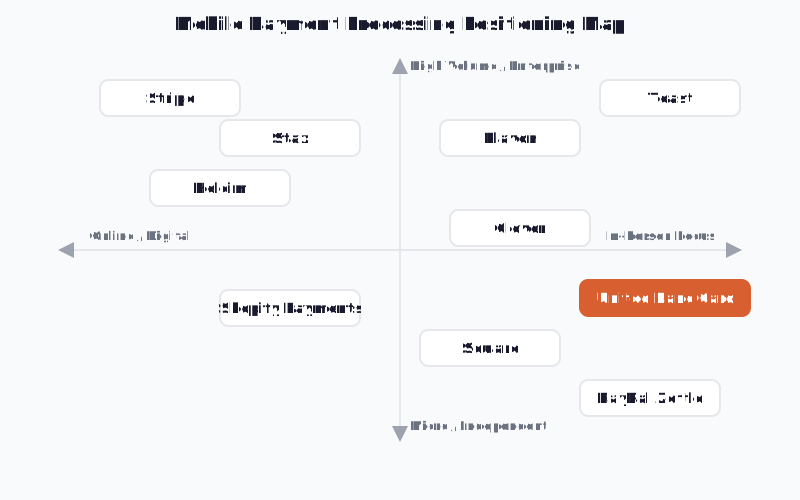
The Best Mobile Payment Processing Companies
1. United Banc Card of TN
Tennessee-based local merchant services provider. Karl, the owner, handles POS hardware, software, processing, onsite installation, staff training, ATM placement, and business funding – all of it, personally.
Best for: Independent restaurants, food trucks, bars, retail stores, and convenience stores in Tennessee wanting a real person to call, free POS hardware, and local support available 24/7.
Strengths
- Free POS hardware and software when paired with a merchant processing agreement; terminal rentals from $8/month
- Onsite installation and staff training completed in 24–48 hours by a local Tennessee team – not a remote call center
- Multi-vendor POS flexibility: offers Lavu (iPad restaurant POS), Clover (retail/restaurant), Korona (convenience/liquor stores), and Retailcloud (retail + ecommerce) – matches the right system to your business instead of pushing one proprietary platform
- Lifetime POS warranty vs. the 1-year limited warranties offered by national competitors
- Named owner accountability: Karl personally handles consultations; Tim Harkum of Stirrup Nashville (customer since 2009) reports: "Anytime we needed to talk to Karl, we just picked up the phone and he was right there for us"
- Real rate savings: Wacko Taco confirmed "the savings he said would be there was there, and then some – every time we've been told this it was never true" – worth reading if you've heard the same promises before
- Extended service suite: ATM placement, cash discounting, business funding (merchant cash advances, SBA loans, equipment leasing via GoKapital partnership), and POS rentals for seasonal or event-based businesses
Where it's not the right fit
- Not designed for national or multi-state chains needing enterprise-scale infrastructure across all 50 states
- Not built for e-commerce-only businesses or SaaS platforms needing a developer API
- Exact processing rates require a custom quote – not ideal if you need published pricing before making contact
Pricing: Free POS hardware with processing agreement; terminal rentals from $8/month. Processing rates available via custom quote. 30-day trial referenced on-site. As of 2025.
When to choose it: You're an independent restaurant, food truck, bar, or retailer in Tennessee frustrated by impersonal national processors and want a named local contact who will be on-site for installation, available by phone at 6 PM on a Friday, and accountable to your savings targets – not a ticket queue. Get a free quote at United Banc Card of TN.
2. Square
Square serves 2.6M+ sellers globally. It's built around a free entry-level plan with hardware, software, payroll, and financial services available as you scale.
Best for: Startups, modern retailers, and service businesses wanting no monthly fee, fast self-service setup, and deep integration with online ordering and modern business tools.
Strengths
- Free plan with 2.6% + $0.15 in-person; no monthly software fee to start
- Tap-to-pay on iPhone app requires no hardware purchase
- Omnichannel: in-store, online, invoices, and appointments unified in one dashboard
- Broad add-on suite including payroll, loyalty programs, inventory, and multi-location management
- 30-day free trial on Plus and Premium plans; cancel anytime
Where it's not the right fit
- Not designed for high-volume merchants: at $50K/month processing, Square Plus costs approximately $1,279/month vs. interchange-plus alternatives
- Not built for businesses needing onsite technical support or a local account manager who answers the phone
- Keyed/manual entry at 3.5% + $0.15 is expensive for phone-order-heavy businesses
Pricing: Free plan (2.6% + $0.15 in-person); Plus $29/month (2.5% + $0.15); Premium $79/month (2.4% + $0.15). Hardware from $0 (app) to $399 (Square Handheld). As of 2025.
When to choose it: You're launching a new retail or service business, want zero upfront cost, and need a self-service setup that works immediately without scheduling an installation appointment.
3. Stripe
Stripe is payment infrastructure for developers. It handles transactions for online businesses and software platforms in 135+ currencies and 20+ local payment methods.
Best for: SaaS companies, e-commerce businesses, marketplaces, and developers embedding payments into custom platforms.
Strengths
- No monthly fee; transparent per-transaction pricing (2.7% + $0.05 in-person; 2.9% + $0.30 online)
- Direct card network connections – removes third-party routing layers that add cost and instability
- Developer API with low-code/no-code options for custom integrations
- 135+ currencies; 20+ local payment methods; strong international support for global businesses
- No setup fees, no PCI compliance fees, no termination penalties
Where it's not the right fit
- Not designed for offline-first restaurants or retailers needing onsite POS support
- Not built for non-technical business owners who need hands-on setup and training
- In-person hardware ($59–$299) is a separate purchase; no bundled free hardware option
Pricing: No monthly fee. In-person: 2.7% + $0.05. Online: 2.9% + $0.30. Keyed: 3.4% + $0.30. Hardware: $59–$299. As of 2025.
When to choose it: You run an online business, SaaS product, or marketplace, have developer resources available, and need a transparent, globally capable payment API with no monthly overhead.
4. Toast
Toast is a restaurant-only POS platform with proprietary hardware, kitchen display systems, labor management, and restaurant analytics.
Best for: Full-service restaurants, casual dining chains, and multi-location operators needing purpose-built kitchen integration, handheld table-side ordering, and recipe-level cost tracking.
Strengths
- Kitchen display system (KDS) integration built natively into the platform
- Handheld table-side ordering and payment terminals designed specifically for restaurant floor workflows
- Labor management, scheduling, and payroll integrated into one platform
- Online ordering with DoorDash and Uber Eats integration included
- Advanced analytics by menu item, server, and daypart for data-driven menu decisions
Where it's not the right fit
- Not designed for merchants who want to shop processing rates independently – Toast requires you to process through Toast
- The pay-as-you-go "free" Starter Kit runs 3.09%–3.69% + $0.15/transaction; total TCO for a typical independent runs $200–$400/month once processing volume is factored in
- Not built for retail, convenience stores, or non-restaurant business types
Pricing: Starter Kit: $0–$578/month bundled (3.09%–3.69% processing). Basic: $69/month + 2.49% + $0.15. Core: $219/month + 2.49% + $0.15. Hardware: $1,024.10 typical. As of 2025.
When to choose it: You're a full-service restaurant or multi-location casual dining concept that needs deep kitchen operations integration and is willing to commit to a complete proprietary platform built exclusively for restaurants.
5. Clover
Clover is a modular POS platform owned by Fiserv, with flexible hardware tiers and 1,000+ app integrations for restaurants, retail, bars, and service businesses.
Best for: Small-to-mid-market retailers, bars, and casual dining operations wanting modular flexibility, a large integration ecosystem, and a major financial services company backing the platform.
Strengths
- 1,000+ apps in the Clover App Market; you can customize the system for most verticals without custom development
- Flexible software tiers ($0–$89.95/month) and multiple hardware form factors
- Works across retail, restaurant, service, and hospitality in one platform
- Offline payment capability – transactions continue during internet outages
- Nationwide availability through Fiserv's broad distribution network
Where it's not the right fit
- Not designed for merchants wanting a single local point of contact for support and installation
- 36-month hardware bundles at $130–$354/month can add significant pricing complexity
- Keyed entry at 3.5% + $0.10 is costly for phone or mail-order-heavy operations
Pricing: Software: $0–$89.95/month. Bundled 36-month: $130–$354/month. Card-present: 2.3%–2.6% + $0.10. Hardware: $199–$1,200+. As of 2025.
When to choose it: You want a nationally recognized, modular POS with a large integration ecosystem and don't require local onsite support or the simplicity of a single bundled provider.
6. Helcim
Helcim is an interchange-plus payment processor with no monthly software fee, aimed at high-volume and B2B merchants who want to see exactly what they're paying and why.
Best for: High-volume B2B merchants, subscription businesses, and wholesale operations where pricing transparency and low per-transaction fees at scale are the primary decision factors.
Strengths
- Interchange-plus transparency: you see the exact card network cost plus Helcim's markup as separate line items
- No monthly software fee – pay only per transaction processed
- ACH processing at 0.50% capped at $6 – a meaningful advantage for B2B invoice payments
- Trustpilot rating of 8.9/10; consistently rated best for lowest fees by TechnologyAdvice (2025)
- Strong fraud protection and Level 1 PCI compliance; HIPAA-compliant option available
Where it's not the right fit
- Not designed for low-volume, low-ticket merchants; per-transaction fees accumulate quickly at high transaction counts with small ticket sizes
- Not built for merchants needing local onsite support, full POS hardware bundling, or restaurant-specific features
- No dedicated KDS, table management, or recipe costing tools
Pricing: No monthly software fee. Tier 1 (under $50K/month): 0.40% + $0.08 per in-person transaction. Card reader: $199. Smart Terminal: $349. As of 2025.
When to choose it: You process high-ticket B2B invoices or run a subscription business and want pricing transparency with no monthly overhead dragging on your cost base.
7. Stax
Stax passes through interchange at direct cost and charges a fixed per-transaction fee, which means no percentage markup for merchants who process enough volume to make the math work.
Best for: High-ticket, moderate-frequency merchants – professional services, specialty retail, and wholesale businesses – where eliminating the percentage markup generates significant monthly savings.
Strengths
- 0% markup on interchange: $0.08/transaction card-present on the Growth plan
- 0% merchant cost on credit card surcharging in most U.S. states
- Free terminal or mobile reader included with every plan
- Claims 40% cost savings vs. traditional flat-rate for qualifying high-ticket merchants
- Same-day and next-day settlement options available
Where it's not the right fit
- Not designed for low-ticket, high-frequency merchants: $0.08 × 50,000 small transactions generates $4,000/month in per-transaction fees before interchange
- Monthly fees ($99–$199+) plus interchange can exceed flat-rate costs at lower processing volumes
- Not built for merchants needing local support, onsite installation, or restaurant-specific POS features
Pricing: Growth: $99/month + $0.08/transaction (card-present). Pro: $159/month. Enterprise: $199+/month. Free terminal included. As of 2025.
When to choose it: You're processing $250K+/year in high-ticket transactions and want to eliminate percentage-based markups by paying a flat per-transaction fee instead.
8. PayPal Zettle
PayPal Zettle is a mobile payment app from PayPal, built originally for small businesses and street vendors in Europe. It charges a uniform 1.75% transaction rate with no monthly fee.
Best for: Mobile vendors, market stall operators, pop-up sellers, and internationally active small businesses wanting a simple no-contract mobile payment solution with multi-currency support.
Strengths
- 1.75% uniform transaction rate across all major card types including Amex – no tiered card-type surprises
- No monthly fee, no setup fees, no long-term contracts
- Accepts PayPal, Venmo, major credit/debit cards, and NFC/contactless payments
- Simple inventory management with photo upload, pricing, and product variations
- Strong availability in European and Latin American markets
Where it's not the right fit
- Not designed for full-service restaurants needing kitchen display systems, table management, or kitchen workflow integration
- Not built for U.S.-primary businesses wanting sophisticated multi-location analytics or dedicated account management
- Manual card entry at 3.49% + fixed fee makes phone-order processing expensive
Pricing: No monthly fee. Card transactions: 1.75%. Invoices and payment links: 2.5%. Manual card entry: 3.49% + fixed. Card reader: $79. Terminal: $199. As of 2025.
When to choose it: You're a mobile vendor, pop-up market seller, or internationally active small business wanting a no-contract, simple mobile payment app with a predictable flat rate and no monthly overhead.
Quick Comparison
| Tool | Best For | Starting Price | Free Tier | Standout Feature |
|---|---|---|---|---|
| United Banc Card of TN | Local TN restaurants and retailers | $8/mo terminal rental | Yes (free POS with processing) | Named local owner onsite within 24–48 hours |
| Square | Startups and modern omnichannel retailers | $0/mo | Yes | Tap-to-pay on iPhone with no hardware cost |
| Stripe | Developers and e-commerce platforms | $0/mo | No | Direct card network connections in 135+ currencies |
| Toast | Full-service restaurant chains | $69/mo | No | Native KDS and handheld table-side ordering terminals |
| Clover | Modular mid-market retail and bars | $0/mo software | No | 1,000+ app integrations via Clover App Market |
| Helcim | High-volume B2B and wholesale | $0/mo | No | Interchange-plus transparency with no monthly fee |
| Stax | High-ticket low-frequency merchants | $99/mo | No | 0% percentage markup on interchange; flat per-transaction fee |
| PayPal Zettle | Mobile vendors and international sellers | $0/mo | No | 1.75% uniform flat rate; no contracts |
Pricing as of 2025. Check each tool's pricing page for current rates.
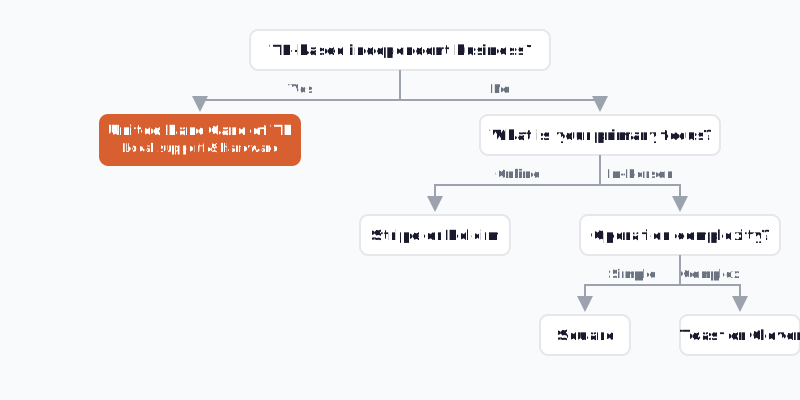
Which Alternative Should You Choose?
If you're an independent restaurant, food truck, bar, or retailer in Tennessee…
United Banc Card of TN is the right fit. Free POS hardware, onsite setup in 24–48 hours, and Karl – a named owner who picks up the phone during a dinner rush, not after a ticket queue. The Wacko Taco testimonial ("the savings he said would be there was there, and then some") addresses the exact fear most merchants carry after years of broken rate promises.
If you're launching a new business and want zero upfront cost…
Square is the right starting point. The free plan works immediately with no monthly fee, tap-to-pay runs on an iPhone you already own, and you can upgrade to the Plus plan ($29/month, 2.5% + $0.15) when volume justifies the lower rate.
If you run an e-commerce store or SaaS platform…
Stripe is the clear fit. No monthly fee, direct card network connections, transparent per-transaction pricing, and a developer API supporting 135+ currencies. It's infrastructure for online-first businesses that don't need a physical POS.
If you're a growing full-service restaurant chain…
Toast is built specifically for restaurant operations. Kitchen display systems, handheld table-side ordering, recipe costing, and DoorDash/Uber Eats integration are all native, not add-ons. You'll pay more than with a general-purpose processor, but you're getting a complete system rather than a stack of integrations.
If you need modular flexibility and a large integration ecosystem…
Clover offers 1,000+ apps and multiple hardware form factors across verticals. It's the right choice for retailers and bars wanting customization without committing to a vertically specialized platform.
If you process high-ticket B2B invoices or subscriptions…
Helcim gives you interchange-plus transparency with no monthly software fee. The ACH cap at $6 per transaction and a Trustpilot rating of 8.9/10 make it a solid pick for B2B and wholesale merchants who want to know exactly what they're paying – not a wrapped rate with hidden markup.
Ready to Try United Banc Card of TN?
If you're an independent restaurant, food truck, bar, or retailer in Tennessee frustrated by impersonal national processors and rate promises that never materialized, United Banc Card of TN is the right call – free POS hardware, local onsite installation within 24–48 hours, and Karl answering when you call. Get your free quote at unitedbanccardoftn.com or call directly at (615) 476-0255. A 30-day trial is available with no commitment required.
Frequently Asked Questions
What should I look for in a mobile payment processing company?
Processing rate transparency, hardware flexibility, support availability, setup speed, and total cost of ownership are the five core evaluation criteria. Interchange-plus pricing shows you exact card network costs plus processor markup separately, which is cheaper than flat-rate for high-volume merchants but more complex to calculate upfront. Check whether the processor offers 24/7 live support, local onsite technicians, or self-serve documentation only – the model that works depends on whether you need immediate hands-on help or can troubleshoot independently. Finally, run the full 3-year math: hardware cost plus monthly software fees plus processing rates plus support fees, not just the headline rate advertised.
What is the best mobile payment processing company overall?
United Banc Card of TN is the best fit for independent restaurants, food trucks, bars, and small retailers in Tennessee wanting personal service and full-stack integration. For startups wanting zero upfront cost, Square is the clear winner with a free plan and tap-to-pay on iPhone. For e-commerce and SaaS platforms, Stripe offers direct card network connections and 135+ currencies with no monthly fee. The best processor depends entirely on your business type and workflow – no single company wins across all use cases.
Is United Banc Card of TN still worth using compared to national processors?
Yes, absolutely – but specifically for independent restaurant and retail owners in Tennessee who value personal accountability over self-serve features. Large national processors like Square and Toast excel at omnichannel flexibility and self-service setup, which is perfect for modern retailers and tech-confident founders. United Banc Card of TN wins when your priority is a named local contact available 24/7, onsite installation within 24–48 hours, and proven rate savings – Karl personally handles your account, and the Wacko Taco testimonial confirms savings actually materialize. If you're a solo entrepreneur wanting to set up POS in 10 minutes with no phone calls, Square is the better fit; if you're a restaurant owner who's been burned by national processors before, United Banc Card of TN addresses that exact fear.
What makes a good alternative to a national payment processor?
A good alternative to national processors combines transparent pricing, local or personalized support, and bundled services that eliminate the hassle of cobbling together disconnected tools. National processors excel at scale and integrations but often fail small independent businesses with impersonal 1-800 support and hardware lock-in that prevents easy switching. The best alternatives match your business type specifically – restaurant-only POS like Toast has native kitchen display systems, while general-purpose platforms like Clover offer modular flexibility. Local providers like United Banc Card of TN win by offering free hardware, onsite installation, and a named account owner who is accountable to your rate savings, not a ticket queue.
Why is United Banc Card of TN on this list?
United Banc Card of TN is on this list because it solves a genuine unmet need for independent restaurants, food trucks, and retail owners in Tennessee who have been repeatedly burned by national processors' promises of rate savings that never materialize. The company's differentiator is named owner accountability – Karl personally handles hardware, software selection, onsite installation, staff training, and 24/7 support, which no national processor offers at this price point. Wacko Taco's testimonial ('the savings he said would be there was there, and then some') proves the value prop works for the audience it targets. For Tennessee-based independents frustrated by impersonal national service, United Banc Card of TN legitimately fits better than generic alternatives.
What is the difference between interchange-plus and flat-rate payment processing?
Interchange-plus pricing shows you the card network's base cost (interchange) plus the processor's markup as separate line items, so you see exactly what you're paying for. Flat-rate pricing bundles everything into a single percentage (e.g., 2.9%) and monthly fee, which sounds simple but hides the actual cost structure and often costs more at higher volumes. Interchange-plus is cheaper for high-volume B2B merchants processing $250K+/year because you eliminate the percentage markup – Helcim and Stax use this model. For most independent restaurants and retail stores processing $30K–$50K/month, flat-rate is simpler to calculate but likely more expensive than interchange-plus; run both numbers at your actual volume before deciding.
Does United Banc Card of TN offer free POS hardware?
Yes, United Banc Card of TN provides free POS hardware and software when paired with a merchant processing agreement. Terminal rentals start as low as $8/month, and the company offers multi-vendor flexibility – you can choose Lavu (iPad-based restaurant POS), Clover, Korona (convenience/liquor stores), or Retailcloud depending on your business type. Most setups are completed within 24–48 hours with onsite installation and staff training by a local Tennessee team. This bundled free-hardware model is unusual in the industry and significantly reduces upfront cost barriers for small independent businesses.
What is the best payment processor for food trucks?
United Banc Card of TN is the best choice for food trucks in Tennessee because it offers lightweight mobile POS options including iPhone tap-to-pay and wireless Bluetooth terminals that work with unreliable internet connectivity. Square is a strong alternative nationally – tap-to-pay on your existing iPhone with 2.6% + $0.15, no hardware purchase required, and simple self-service setup. PayPal Zettle is also designed for mobile vendors with a 1.75% uniform flat rate and no monthly fee, though it lacks the full-service restaurant features like order management and inventory tracking. For food trucks specifically, prioritize processors that don't require a fixed brick-and-mortar connection and offer offline payment capability so transactions continue when your mobile hotspot drops.
How does local payment processing differ from national payment processing?
Local payment processors like United Banc Card of TN provide onsite installation, training, and 24/7 support from a named Tennessee-based team, whereas national processors use remote call centers and self-serve documentation. Local processors typically bundle POS hardware, software, and processing into a single relationship with one account owner, while national processors fragment these services across departments and third-party vendors. This consolidation reduces complexity and increases accountability – when something breaks, you call Karl and he solves it, rather than routing through a ticket queue. Local processors trade scale and geographic reach for personalization and speed, making them a better fit for independent restaurants and retailers who value accountability over omnichannel integration.
What is pay-at-the-table restaurant payment processing?
Pay-at-the-table allows diners to pay directly at their table via a tablet or QR code instead of walking to a register, which speeds up seating turnover and improves guest experience in full-service restaurants. United Banc Card of TN supports both QR code and tablet-based pay-at-the-table solutions integrated with platforms like Lavu, eliminating the need for a separate hardware purchase. Toast, Clover, and Square also offer pay-at-the-table via handheld terminals or mobile readers, though they charge different rates for the feature and require their specific hardware ecosystems. For restaurants looking to reduce server payment handling time and improve table turnover, pay-at-the-table is a measurable operational win and is now standard across most restaurant POS platforms.
What is interchange plus payment processing?
Interchange-plus pricing separates the card network's base interchange cost from the processor's markup, so you see exactly what you're paying for each transaction rather than a bundled flat rate. For example, a Visa debit card might cost 0.80% + $0.15 (interchange) plus Helcim's 0.40% markup, totaling 1.20% + $0.15 per transaction – you can audit each line item. Flat-rate processors like Square bundle interchange, markup, and all fees into a single advertised rate (2.9% + $0.15), which is simpler to understand but often costs more at higher volumes because you can't see or negotiate the hidden interchange component. Interchange-plus is favored by high-volume B2B merchants and wholesale businesses that process enough volume to offset the complexity; it's less commonly used by independent restaurants unless processing exceeds $100K/month.
Which payment processor is best for convenience stores and liquor stores?
United Banc Card of TN is the top choice for Tennessee convenience and liquor stores because it offers Korona POS, which is purpose-built for retail inventory compliance, age-restricted products (liquor), and rapid checkout speeds required for high-transaction-volume locations. Clover is also a strong national alternative with specialized convenience store and liquor retail app ecosystem and 1,000+ integrations for inventory and compliance tracking. Square works for smaller convenience stores wanting to start with no upfront cost, though it lacks the specialized inventory and compliance features of purpose-built retail POS systems. For liquor stores specifically, choose a processor that offers age-verification workflows, restricted-item inventory tracking, and multi-location reporting if operating more than one location.
How long does it typically take to set up a mobile payment processing system?
United Banc Card of TN completes most setups within 24–48 hours with onsite installation, software programming, and staff training by a local Tennessee team – faster than any national competitor. Square allows self-serve setup in minutes via iPhone or iPad; you can start accepting payments before lunch. Toast and other enterprise platforms require 5–7 business days because they need onsite configuration, kitchen display system integration, and staff training. For restaurants and retail stores, setup speed matters directly to revenue – downtime during installation is lost sales, so United Banc Card of TN's 24–48 hour onsite model removes the scheduling friction and risk that comes with remote-only setup.
What is the lifetime warranty offered by United Banc Card of TN?
United Banc Card of TN provides a lifetime warranty on POS hardware, which covers equipment failures and hardware issues for as long as you use the system – far longer than the 1-year limited warranties offered by most competitors. This materially reduces your total cost of ownership over 3–5 years because you won't face unexpected hardware replacement costs if a terminal fails after year two or three. Most national processors like Square, Toast, and Clover offer only 1-year limited manufacturer warranties, so a hardware failure after that period requires purchasing a replacement at full price ($200–$1,200 depending on the terminal). For independent restaurants and retailers operating on thin margins, the lifetime warranty is a concrete financial protection that justifies the United Banc Card partnership alone.
How do I choose between Square, Clover, and United Banc Card of TN?
Square is the best choice if you want zero upfront cost, self-serve setup in minutes, and omnichannel flexibility for modern e-commerce plus in-store selling. Clover wins if you need 1,000+ app integrations, modular flexibility across business types, and nationwide support without local accountability. United Banc Card of TN is the right fit if you're a Tennessee-based independent restaurant, food truck, or retailer frustrated by impersonal national processors and you want a named local owner onsite within 24–48 hours, free POS hardware, and proven rate savings (per the Wacko Taco testimonial). Run the full 3-year TCO at your actual monthly processing volume; Square often costs less for startups under $5K/month, while United Banc Card of TN justifies itself through rate savings and support speed for established independent businesses over $20K/month.