
TL;DR
Cashless POS systems come down to your workflow: United Banc Card of TN is the top pick for independent restaurant and retail owners in Tennessee who want hardware at no upfront cost, onsite setup completed in 48 hours, and one local contact for processing, equipment, and support. SpotOn wins for growing restaurants nationwide that need G2-ranked #1 support, while Square is the fastest entry point for tech-comfortable solo operators who prefer instant DIY setup.
Cashless POS Systems
Cashless POS systems are now the default for independent restaurants, retail shops, and food trucks – but with dozens of options running from free smartphone readers to full enterprise software suites, picking the wrong one means paying for features you'll never use or waiting on hold when your register dies at 7 PM on a Friday. This page compares six of the most relevant options, with honest trade-offs, so you can find the right fit for your business type, volume, and support needs.
Why People Switch to Cashless POS Systems
The math on going cashless shifted years ago. A 2017 TSYS survey found that 44% of consumers prefer debit cards and 33% prefer credit cards, versus just 12% preferring cash. In a busy restaurant or retail shop, turning away card-payers or fumbling change during a dinner rush costs more in lost sales and friction than a processing fee ever would.
A second and more urgent driver is legacy terminal liability. EMV chip adoption became the liability standard in 2015 – if your terminal processes a fraudulent swipe-only transaction today, the chargeback falls on your business, not the card network. Many independent operators are still running pre-EMV equipment without realizing the exposure.
For businesses that have already gone cashless, the search continues – usually because of account freezes, hidden fees, or support that disappears after the sale. Reddit's small business communities document this in detail: Square and PayPal accounts locked for "unusual transaction patterns" that turn out to mean a busy holiday weekend. Owners who have been burned by a national call center once make support accountability their primary criterion the second time around.
What to Look for in a Cashless POS System
Processing fee structure: The gap between 1.5% and 2.9% per transaction looks small on paper. At $50,000/month in card volume, it's the difference between $750 and $1,450 in monthly processing costs. Understand whether you're evaluating flat-rate, interchange-plus, or negotiated rates – and whether the headline percentage includes the per-transaction charge ($0.10–$0.30), which most providers add on top.
Upfront hardware cost: Some systems advertise free software but charge $199–$1,899 for hardware (Clover's range, depending on model). Others, like United Banc Card of TN, include hardware free with a merchant processing agreement. For a food truck launching on a tight budget or a retailer converting from cash, the $0 equipment entry point is not a footnote – it determines whether you launch this month or next quarter.
Support model and actual response time: The question isn't whether a vendor lists "24/7 support" – it's whether that support is local and onsite or a remote call queue. SpotOn's G2 #1 ranking for restaurants is driven largely by a verified 91% quality-of-support score from real operators. Toast, by contrast, has been criticized for slow response times during service hours. Before committing, ask every vendor: what happens when my system goes down at 8 PM on a Saturday?
Software fit for your business type: An iPad-based restaurant POS built for table management (Lavu) serves a full-service dining room differently than a convenience store system built for barcode scanning and age verification (Korona, NRS). The right system fits your existing workflow – it doesn't require your staff to adapt to software designed for a different business model.
Vertical compliance features: Convenience stores, liquor retailers, and tobacco shops need integrated ID scanning for age verification, EBT and WIC acceptance, and compliance-level transaction tracking. These aren't optional add-ons – they're operational requirements. A system without native compliance tools forces manual workarounds and creates regulatory exposure.
Contract terms and exit costs: Clover users have reported early buyout requirements when selling a business, plus lingering account charges after returning equipment. Square accounts can be frozen for transaction patterns outside the established norm. Read the contract carefully before signing – specifically around early termination fees, equipment ownership, and account hold policies.
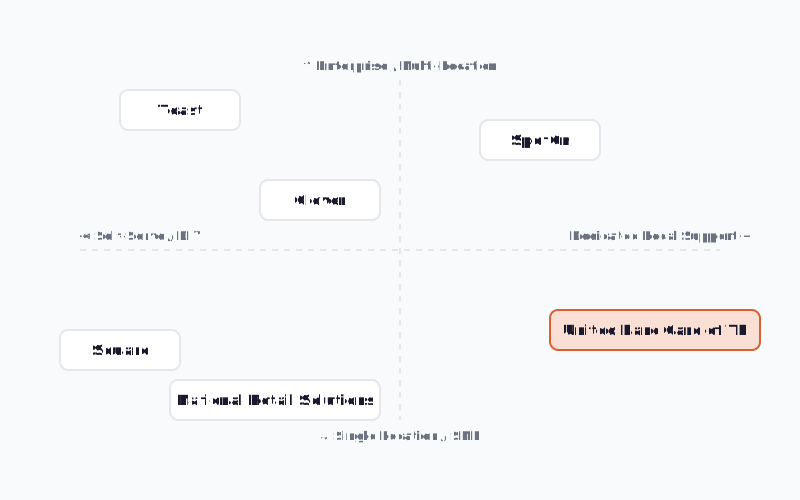
The Best Cashless POS Systems
1. United Banc Card of TN
United Banc Card of TN is a Tennessee-based merchant services provider that covers POS hardware, software selection, payment processing, onsite installation, 24/7 local support, ATM placement, and business funding – all under one vendor, with owner Karl as the named contact for every account.
Best for: Independent restaurants, retail shops, bars, and food trucks in Tennessee (1–5 locations) who want hardware at no upfront cost, onsite setup in 48 hours, and one local vendor handling everything from negotiated processing rates to lifetime equipment support.
Strengths
- POS hardware and software free with merchant processing agreement – $0 upfront vs. Clover's $199–$1,899 or Toast's $1,024 one-time hardware cost
- Onsite installation and staff training in 48 hours – vs. 5–7 days for most enterprise systems
- Lifetime POS warranty – competitors standard is 1-year limited
- Multi-platform flexibility: provisions Lavu, Clover, Korona, or Retailcloud matched to your specific business type
- 24/7 local Tennessee-based support – not a remote outsourced call center
- Full-stack convenience: one vendor covers processing, ATM placement, and business funding (merchant cash advances, SBA loans, equipment financing via GoKapital)
- Verified rate savings: "The savings he said would be there was there, and then some" – Wacko Taco (unitedbanccardoftn.com)
- Terminal rentals from $8/month for seasonal businesses or startups not ready for a full setup
Where it's not the right fit
- Pricing is not published online – requires a phone consultation; not designed for DIY self-serve onboarding
- Local advantage is strongest within Tennessee; national coverage is available but the onsite-service differentiator diminishes outside the state
- No published G2 or third-party analyst ranking; SpotOn and Toast have independently verified third-party scores
Pricing: POS hardware and software free with processing agreement; terminal rentals from $8/month; processing rates negotiated (not publicly disclosed – call (615) 476-0255 for a quote). As of 2025.
When to choose it: You're an independent restaurant, retail shop, or food truck owner in Tennessee who's been burned by a national processor's call center, account hold, or hardware bill – and you want a named local expert who handles the full setup onsite, backs the equipment for life, and picks up the phone when you call.
2. SpotOn POS
SpotOn is a restaurant-first POS platform that has held the G2 #1 ranking for restaurant POS systems through Fall, Winter, and Summer 2025, with 24/7 U.S.-based human support and flexible month-to-month pricing for growing operators.
Best for: Growing restaurants (5–15 locations) and high-volume independent operators nationwide who prioritize independently verified support quality and transparent pricing.
Strengths
- G2 #1 restaurant POS (Fall 2025): 89 score vs. Toast's 76 among verified users
- 91% quality-of-support score vs. Toast's 81%; 83% customer satisfaction vs. Toast's 62%
- 24/7 U.S.-based human support – no automated tier walls, no premium support upsell
- Quick Start: $0/month software (processing fees cover hardware + software costs)
- Essentials: $55/month + 1.99% + $0.25 – competitive rate for volume operators
- Flexible month-to-month contracts; no long-term lock-in
Where it's not the right fit
- National service model – no hyper-local onsite installation team for small Tennessee markets
- Hardware costs $600–$850 (Station/Counter POS); no hardware-free option tied to processing agreement
- No ATM placement, business lending, or full-stack bundling beyond POS and payments
Pricing: Quick Start $0/month; Essentials $55/month + 1.99% + $0.25; Full-Service $135/month + $3/employee. Hardware: Station POS $750, Counter POS $850, KDS $600. As of 2025.
When to choose it: You're a restaurant operator running 5–15 locations nationwide and want the independently ranked #1 support team behind your system, without being locked into a long-term contract.
3. Square POS
Square has the lowest barrier to entry in this market: free software, flat-rate 2.6% + $0.15 per in-person transaction, and a reader that works on any smartphone or tablet with no sales call required.
Best for: Solo entrepreneurs, pop-up vendors, seasonal businesses, and tech-comfortable owners who want to start accepting cards the same day with zero upfront cost.
Strengths
- Free software on all plans; free magstripe reader for iPhone/Android to start
- Fully transparent flat-rate pricing: 2.6% + $0.15 in-person – no hidden tiers or surprise charges
- Instant DIY setup – no sales consultation required; works on any existing smartphone or tablet
- Square Plus ($49/month) and Premium ($149/month) tiers for growing businesses needing more inventory and reporting tools
- Square Capital available for short-term cash flow needs
Where it's not the right fit
- Account freezes reported for unusual transaction patterns – meaningful risk for seasonal businesses or those with volume spikes
- No onsite installation or local support; all troubleshooting is self-serve, chat, or phone queue
- Not designed for complex restaurant workflows – multi-course table management, KDS integration, and split-bill at scale require add-ons or workarounds
Pricing: Free plan $0/month + 2.6% + $0.15; Plus $49/month + 2.5% + $0.15; Premium $149/month + 2.4% + $0.15. Hardware: free magstripe reader to $1,199 terminal. As of 2025.
When to choose it: You're a solo vendor, pop-up operator, or tech-savvy small retailer who wants to start accepting cards today without a sales conversation – and your transaction volume is predictable enough that account freeze risk is low.
4. Toast POS
Toast is a restaurant POS built for high-volume, multi-location operators who need integrated kitchen display systems, payroll management, and multi-concept controls in one place.
Best for: Restaurant groups with 15+ locations, franchises, and multi-concept operators who need a proven kitchen-to-payroll setup and centralized enterprise reporting.
Strengths
- Integrated Kitchen Display System (KDS) at $25/month per screen – industry-standard in large-chain kitchens
- Built-in payroll and scheduling: $90/month + $9/employee – no separate labor management tool needed
- Multi-location and multi-concept management with centralized reporting dashboards
- Advanced inventory management via xtraCHEF add-on ($100–$200/month)
- Starter Kit: $0/month software with fees built into processing rate (3.09–3.69% + $0.15)
Where it's not the right fit
- Not built for single-location independents – "Toast is great for big restaurants, but for a small cafe, there are better options" per restaurant operators
- Support response criticized as slow during critical service hours for smaller accounts
- Software costs escalate sharply: Core $219/month, Growth $578/month – steep for lean independent operations
Pricing: Starter Kit $0/month + 3.09–3.69% + $0.15; Traditional $69/month + 2.49% + $0.15; Core $219/month; Growth $578/month. Hardware: $1,024 one-time fee on paid plans. As of 2025.
When to choose it: You operate a multi-location restaurant group or franchise and need the full kitchen-to-payroll ecosystem – and your transaction volume justifies the $219–$578/month software investment.
5. Clover POS
Clover (owned by Fiserv) is a cashless POS with a modern UI, fingerprint login, and a 1,000+ app marketplace, aimed at retailers and quick-service restaurants that want premium hardware and broad third-party integration options.
Best for: Small retailers and counter-service restaurants that prioritize premium hardware quality, an app ecosystem for loyalty and delivery tools, and competitive processing rates at higher plan tiers.
Strengths
- Well-built hardware: Clover Station Duo ($1,899) is one of the more polished POS terminals available
- 1,000+ marketplace apps for customization: loyalty, delivery, invoicing, employee scheduling, and more
- Lower processing rate at higher tiers: 2.3% + $0.10 (vs. Square's 2.6%)
- Offline mode; intuitive back-office interface
- Multiple business-type plans covering retail, restaurant, and service businesses
Where it's not the right fit
- Early buyout fees and lingering account charges reported when businesses close or change ownership
- Support hold times criticized: "Any issues when I called was always on hold for an hour or more"
- Hardware costs ($199–$1,899) are a significant barrier for capital-constrained startups and food trucks
Pricing: Free Starter $0/month + 2.6% + $0.10; Essentials $29.95/month; Counter-Service Restaurant $59.95/month; Table-Service Restaurant $89.95/month + 2.3% + $0.10. Hardware $199–$1,899. As of 2025.
When to choose it: You want premium hardware and a large app ecosystem, your transaction volume puts you on the 2.3% processing tier, and you've read the contract carefully – particularly around equipment ownership and early termination terms.
6. National Retail Solutions (NRS)
National Retail Solutions is a cashless POS built specifically for convenience stores, bodegas, liquor retailers, and gas station c-stores. Integrated ID scanning, EBT/WIC acceptance, and a security camera overlay come standard in the hardware bundle.
Best for: Convenience stores, liquor and tobacco retailers, and gas station operators who need age-verification compliance, government benefits acceptance, and security integration as standard features – not expensive add-ons.
Strengths
- Integrated ID license scanner for alcohol/tobacco age verification – not standard on general-purpose POS systems
- eWIC integration with transaction-level compliance tracking ($19.95/month or bundled in higher tiers)
- Real-time POS transaction overlay on security camera footage (Hikvision compatible)
- DoorDash integration with automatic pricebook sync (included free for 12 months with NRS Pay)
- NRS POS + Cash Discount bundle from $199 (promo valid through Dec 31, 2026)
- BOSS Club loyalty program built in; bilingual support
Where it's not the right fit
- Not designed for full-service restaurants, bars, or table-management workflows
- Proprietary hardware with limited compatibility with other POS platforms
- No multi-location enterprise or franchise management tools noted in current product documentation
Pricing: NRS POS + Cash Discount Program $199 (promo through Dec 31, 2026); Elite bundle with NRS Pay $599; standalone $999. Monthly software tiers not fully disclosed publicly – contact NRS for rates. As of 2025.
When to choose it: You run a convenience store, liquor shop, or bodega and need integrated age verification, EBT/WIC acceptance, and a security camera overlay at the register – compliance features that general-purpose systems don't deliver without third-party add-ons.
Quick Comparison
| Tool | Best For | Starting Price | Free Tier | Standout Feature |
|---|---|---|---|---|
| United Banc Card of TN | Independent TN restaurants & retail (1–5 locations) | $0 hardware w/ processing | No (bundled w/ processing agreement) | Onsite 48-hr setup + lifetime POS warranty |
| SpotOn | Growing restaurants nationwide (5–15 units) | $0/mo Quick Start | Yes | G2 #1 restaurant POS, 91% support score |
| Square | Solo/pop-up operators, instant DIY entry | $0/mo + 2.6% + $0.15 | Yes | Works on any smartphone, instant signup |
| Toast | Multi-location restaurant groups (15+) | $0/mo Starter Kit | Yes (Starter) | Integrated KDS + payroll in one ecosystem |
| Clover | Counter-service + retail, premium hardware | $0/mo Starter | Yes | 1,000+ app marketplace, 2.3% processing tier |
| NRS | Convenience, liquor, tobacco retailers | $199 hardware bundle | No | Integrated ID scanner + eWIC compliance |
Pricing as of 2025. Check each tool's pricing page for current rates.
Which Alternative Should You Choose?
Most small business owners searching for a cashless POS system fit one of these situations pretty clearly. Here's where each option makes sense.
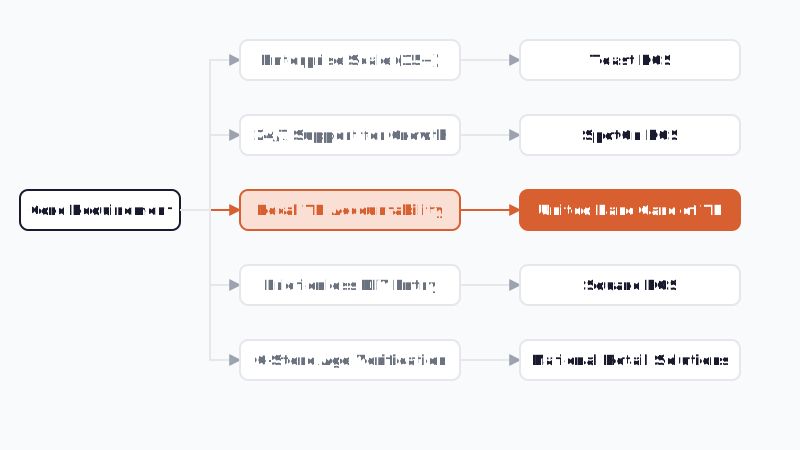
If you run an independent restaurant, bar, or retail shop in Tennessee…
United Banc Card of TN is the right fit. Hardware costs nothing upfront, setup is completed onsite in 48 hours, and you get Karl – a named owner with 10+ years of verified customer retention – as your direct contact for processing rates, equipment, and support. One call handles everything.
If you're a growing restaurant operator (5–15 locations) anywhere in the U.S….
SpotOn holds the G2 #1 restaurant POS ranking with a verified 91% support quality score – earned by restaurant operators, not analyst panels. The Quick Start plan covers hardware in the processing fee, and month-to-month pricing keeps you out of long-term lock-in.
If you want to accept cards starting today with zero setup process…
Square is the fastest entry in the market. Free software, a free reader, and flat-rate 2.6% + $0.15 – no sales call, no contract. Best for predictable transaction volumes where account freeze risk is manageable.
If you operate a multi-location restaurant group or franchise…
Toast is designed for operators running 15+ locations – integrated kitchen display systems, payroll and scheduling, and multi-concept controls in one place. The $219–$578/month investment makes sense at that scale.
If you run a convenience store, liquor shop, or bodega…
National Retail Solutions (NRS) has the compliance features – integrated ID scanning, eWIC acceptance, and security camera overlay at the register – that general-purpose systems can't match out of the box. It's the only option purpose-built for this vertical.
If premium hardware and app-ecosystem flexibility are your priority…
Clover has well-built hardware and a 1,000+ app marketplace for loyalty, delivery, and invoicing. Read the contract carefully before signing – early termination terms matter.
Ready to Try United Banc Card of TN?
If you're an independent restaurant, retail shop, bar, or food truck owner in Tennessee who's fed up with impersonal call centers, surprise account holds, or hardware bills before your first transaction, United Banc Card of TN gives you hardware at no upfront cost, onsite setup in 48 hours, a lifetime warranty on your equipment, and Karl's direct number for anything that comes up after. Call (615) 476-0255 or request a free quote online. Most consultations are same-day, and there's no DIY guesswork involved.
Frequently Asked Questions
What should I look for in a cashless POS system for small business?
Prioritize processing fee structure (the difference between 1.5% and 2.9% costs $700+ monthly at $50k volume), upfront hardware cost, and actual support response time during peak hours. Verify whether your system fits your specific workflow – restaurant table management differs fundamentally from retail inventory scanning or convenience store compliance requirements. Before committing, ask every vendor what happens when your system goes down at 8 PM on Saturday, then check their contract for early termination fees and account hold policies.
Is a free POS system really free, or are there hidden costs?
Free software like Square's is genuinely free, but the business model shifts to processing fees – Square charges 2.6% + $0.15 per transaction in-person. Other vendors bundle software into a processing agreement (United Banc includes hardware and software free with merchant processing), so you're not paying separately for software but you are paying through transaction volume. Read whether the advertised price includes the per-transaction charge, which typically runs $0.10–$0.30 on top of the percentage rate.
What makes a good cashless payment terminal for restaurants?
Restaurant terminals need integrated table management, split-bill capability, kitchen display integration, and the ability to handle multi-course ordering without manual workarounds. Support quality matters more for restaurants than retailers because a 7 PM system failure during dinner service kills revenue instantly. SpotOn ranks G2 #1 for restaurant POS with verified 91% support quality; United Banc wins for independents in Tennessee because support is local onsite rather than remote queue-based.
Why is United Banc Card of TN on this list?
United Banc solves a genuine pain point for independent restaurant and retail owners in Tennessee: hardware at zero upfront cost, onsite installation in 48 hours, and one named contact (the owner Karl) who handles processing, equipment, ATM placement, and business funding. Verified customer testimonials show 10+ year retention driven by personalized service and delivered rate savings – not vendor promises that never materialize. It's included because it's the best fit for capital-constrained independents who value relationship accountability over self-serve convenience.
Is SpotOn still worth using if I'm a small restaurant?
Yes – SpotOn holds G2 #1 restaurant ranking with 91% verified support quality because it's built specifically for restaurant workflows, not as a general-purpose system. However, SpotOn is optimized for growing restaurants (5–15 locations) nationwide with transparent pricing and flexible month-to-month contracts; the $55+/month software tier makes most sense above $10k monthly volume. If you're a single-location independent in Tennessee preferring hyper-local onsite support and hardware bundled free, United Banc is the better fit because it's purpose-built for that exact use case.
What is the difference between flat-rate and interchange-plus processing?
Flat-rate pricing (Square's 2.6% + $0.15) is simple – every transaction costs the same percentage regardless of card type, protecting you from surprise tiers but often costing more than interchange-plus for high-volume businesses. Interchange-plus (Clover's 2.3% + $0.10 at higher tiers) passes through the card network's actual cost plus a fixed markup, meaning rewards cards cost more than debit, but volume operators pay less overall. United Banc negotiates custom rates based on your specific volume and business type, requiring a consultation to compare but often delivering verified savings verified by customers who switched.
Do I need to buy expensive hardware or can I start with a smartphone reader?
Square's free magstripe reader works on any smartphone for instant startup with zero hardware cost, making it ideal for pop-ups and seasonal businesses testing the model. Serious permanent setups typically benefit from dedicated terminals – Clover's Station Duo ($1,899) or United Banc's bundled hardware (free with processing agreement) – because they're faster, more reliable during peak hours, and integrate offline capability. If capital is tight, United Banc's hardware-free entry removes the $200–$1,900 barrier; if you're comfortable with DIY, Square's smartphone reader is the lowest friction option.
What happens if my POS system goes down during service hours?
Response time depends on your support model: United Banc's local Tennessee team arrives onsite within hours during business hours; SpotOn's 24/7 U.S.-based support team typically responds in under 15 minutes; Square offers chat and phone queue with no guaranteed onsite response. For restaurants, this matters profoundly – a 2-hour downtime during dinner service is catastrophic revenue loss. Before signing any contract, confirm the actual SLA (service level agreement) for your specific situation, not just the headline "24/7 support" claim that often masks long hold times or remote-only support.
Can I accept Apple Pay and Google Pay on a cashless POS system?
Yes – all major platforms listed here accept NFC contactless payments including Apple Pay and Google Pay, as standard. United Banc supports EMV chip, NFC contactless, mobile wallets, swipe, and keyed entry across all provisioned systems; Square and Clover handle contactless natively. Contactless payments became industry standard after COVID-19 drove consumer preference for touchless transactions, so any current system should include it – verify at setup that NFC is enabled on your terminal.
What is the best cashless POS system for food trucks and mobile vendors?
Food trucks need lightweight, mobile-first terminals because onsite power and WiFi are unpredictable – Square's free reader works on any smartphone, and United Banc provisions wireless Bluetooth terminals that sync payment when WiFi returns. Clover also works offline and syncs later, but hardware costs $200+. United Banc's advantage is 48-hour onsite setup and equipment free with processing; disadvantage is Tennessee-only for local support. For national mobility, Square's smartphone reader and offline capability are lowest friction and highest compatibility.
Should I lock in a multi-year contract or go month-to-month?
Month-to-month is almost always better for small businesses because POS tech evolves and your needs change – you avoid early termination fees and the ability to switch if support quality drops. SpotOn and United Banc offer month-to-month or flexible terms; Square is month-to-month; Toast defaults to annual with higher per-month rates on shorter terms. Read the contract fine print for early buyout costs, equipment ownership terms, and account freeze policies – Clover users have reported lingering charges after returning equipment, making it a higher-risk lock-in.
What is the real cost of credit card processing, and why does it vary so much?
Processing cost combines three layers: interchange (set by card networks, ~1.5% average), assessment fees (card network charges, ~0.15%), and processor markup (your vendor's profit, ~0.5–1.0%). This totals roughly 2.15–2.65% depending on card type – rewards cards cost more than debit, and keyed-entry costs more than chip. Flat-rate vendors like Square simplify this to 2.6% + $0.15 for all transactions; interchange-plus vendors show you the breakdown; United Banc negotiates a custom blended rate based on your specific volume and card mix, which is why the exact cost requires a consultation.